The indie podcaster dream — loyal audience, sponsor deals, Patreon tier with a Discord community attached — is a legitimate business. It works for thousands of creators. It has almost nothing to do with how a branded podcast earns its keep.
If you're running a show under a company banner and you're asking "how do we monetize this?" — you're likely asking the question that gets branded podcasts quietly cancelled after two seasons.
Here's why that framing is the problem, and what the right model actually looks like.
The Question Is Borrowed From the Wrong Business Model
The monetization conversation comes from the creator economy, where the podcast is the business. Revenue is the whole point. CPM rates, dynamic ad insertion, listener-supported memberships — all of that makes sense when the show itself has to pay the bills.
For a brand, the show serves the business. That's a fundamentally different equation, and conflating the two leads to decisions that work against what the show is actually supposed to do.
Consider what happens when a branded podcast starts running third-party ads. The listener already arrived with mild skepticism — they know the show has a commercial interest behind it, and they've made peace with that because the content is delivering genuine value. Then a mid-roll drops for a product that has nothing to do with why they showed up. The trust equation shifts. The implicit deal — we're here to give you something useful, not sell you something — gets complicated.
JAR's documented position on this is direct: your podcast is already serving as a form of implicit, tactful, and trust-centered publicity for your brand. Adding external advertising can come across as heavy-handed or inauthentic. And if the show isn't performing, advertising is often the symptom that surfaces the deeper problem, not a solution to it.
The question a branded podcast should answer isn't "how do we make money from this?" It's "what does this show cost, and what business outcome does it drive?" Frame the ROI correctly from day one, and the monetization question becomes irrelevant.
What Branded Podcast ROI Actually Looks Like
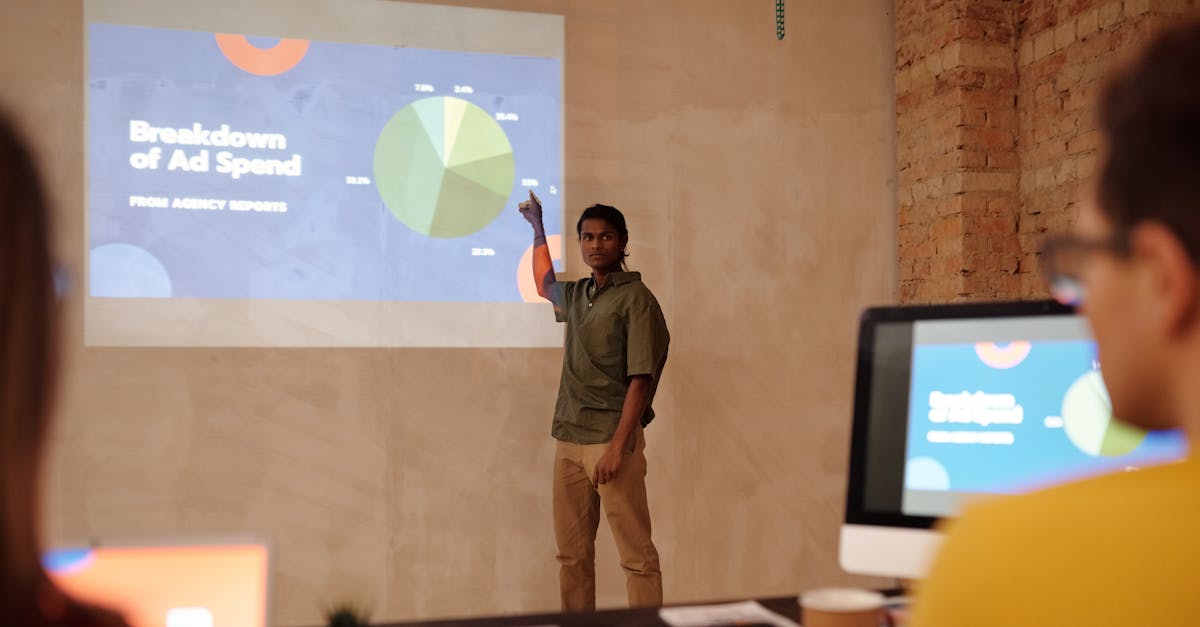
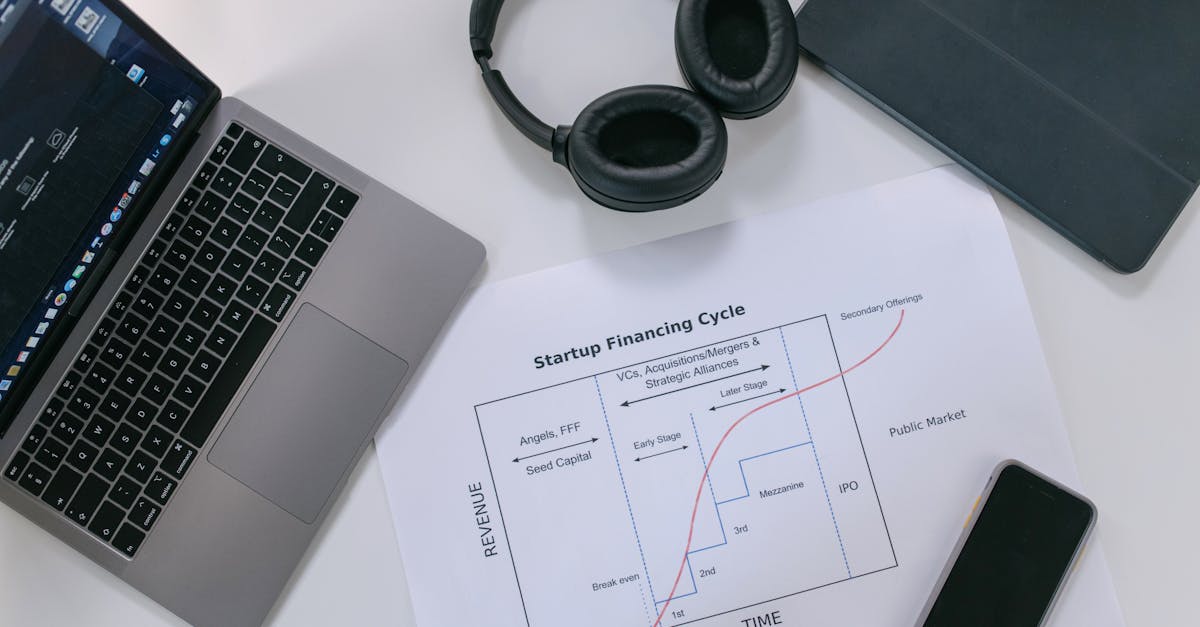
ROI for a branded podcast doesn't appear in a CPM report. It appears in the business metrics that matter to the people who approved the budget.
For a B2B show, that might mean pipeline influence — can you trace a prospect's engagement with specific episodes back through their journey before a sales conversation? It might mean sales cycle compression: buyers who've consumed 10 hours of your thinking before getting on a call are different from buyers who filled out a form cold. They arrive warmer, more aligned, with fewer objections to work through.
For a B2C brand, the ROI story is often about loyalty and lifetime value. Audiences who listen regularly are qualitatively different from audiences who scroll past a banner ad. Nielsen research puts podcast brand recall at 4.4x more effective than display advertising — but that figure only materializes when the content was designed to earn that attention, not fill a content calendar.
The shows that get renewed aren't the ones with the best download numbers. They're the ones where the team behind them built a clear case from the start: here's the audience we're reaching, here's the shift we're trying to create, here's how we'll know it's working. Downloads are a proxy. Business outcomes are the point.
This is the argument behind the JAR System — every show built around a Job, an Audience, and a Result. Not because it's a tidy framework, but because those three things are exactly what the CFO is going to ask about when budget renewal comes around.
The Distribution Problem Nobody Talks About Until It's Too Late
Even well-produced shows with a clear ROI model can fail to deliver results for a structural reason that has nothing to do with content quality: the episode ends, and the audience disappears.
This is the fundamental problem with treating podcast distribution as "publish to RSS, share on LinkedIn, done." Listeners consume an episode and move on with their day. They don't go to your website. They don't fill out a form. They don't tell your CRM that they exist.
For most branded podcasts, that audience is essentially invisible after the play button stops. You know they listened. You have no way to reach them again.
JAR Replay was built to solve exactly this. Using technology from Consumable, Inc., it captures anonymous listener signals — via a privacy-safe pixel or RSS prefix — and activates those listeners as a targetable paid media audience. No names, no emails, no personal identifiers. GDPR-compliant. Just the ability to reach people who already spent 30 minutes with your content, with a relevant message, at a point in the day when they're actually reachable.
The ads run as full-screen, sound-on visual audio placements across premium mobile apps — music, gaming, utility, content. The listener is no longer in the episode, but they're still accessible. That's a fundamentally different retargeting pool than someone who bounced off a landing page in four seconds.
This is where branded podcasts start to look less like content marketing and more like performance media. The show builds trust and attention. JAR Replay activates that attention when action is possible. The two together create a loop that purely organic distribution can't produce. For publishers and networks, Replay creates new inventory and new revenue without stacking more ads into existing episodes — a model that serves sponsors and audiences simultaneously.
Repurposing: The ROI Multiplier That Most Teams Leave on the Table
A single podcast episode can produce a lot more than one download. Most branded shows stop at the RSS feed. The teams getting the most out of their investment don't.
Every episode contains assets: insights that can anchor a LinkedIn article, quotes that work as sales enablement content, segments that translate to short-form video clips for YouTube or social, narrative moments that make for strong newsletter content. A 40-minute conversation with the right guest can power three weeks of content across channels your audience uses when they're not listening to podcasts.
This is part of what mapping your podcast to the buyer's journey actually requires in practice: knowing which episode formats and segments produce assets that support which stages of the pipeline. An awareness-stage episode repurposes differently than a consideration-stage one. If you're not thinking about that distinction in pre-production, you're making the repurposing work harder than it needs to be.
The ROI math changes substantially when you account for the total content output of a podcast system rather than treating each episode as a standalone asset. One recording session, executed with a clear strategy, can legitimately power 30 days of content across channels. That case has been made in detail elsewhere — the short version is that most teams are dramatically underinvesting in what they already produced.
The Internal Audience Is an Undervalued Revenue Line
When people talk about podcast ROI, they usually mean external audiences: customers, prospects, industry peers. The internal use case is less discussed, and it's often where the math works out fastest.
For organizations with distributed or remote workforces, internal podcasts solve a genuine communication problem. Town halls get low attendance. Email updates get skimmed. Long video recordings get started and abandoned. Audio meets people where they actually are — in transit, at the gym, between tasks — and it scales across time zones without requiring synchronous attention.
The ROI here is measurable in terms that HR and internal comms leaders understand: alignment scores, onboarding velocity, retention impact, reduced friction in culture change initiatives. These aren't soft metrics. They connect directly to the cost of turnover and the productivity drag that comes from teams operating without shared context.
For organizations undergoing significant transformation — a merger, a strategic pivot, a major product launch — an internal podcast series can be the fastest way to get a consistent message heard by every employee, in a format they'll actually finish. That's a different kind of ROI than brand authority, but it's equally real and often easier to quantify.
What Gets Measured Gets Renewed
The branded podcasts that survive budget cycles are the ones with a measurement strategy that was designed before the first episode dropped.
This doesn't mean obsessing over downloads. It means defining, in advance, which business metrics this show is meant to influence — and building the tracking infrastructure to capture that signal. For B2B shows, that means CRM tagging, UTM parameters on episode CTAs, and a clear process for connecting listening behavior to pipeline events. For B2C, it might mean audience surveys, brand lift studies, or cohort analysis on customer retention.
The worst version of branded podcast measurement is a monthly report that leads with total downloads, trends slightly up or sideways, and then gets passed around a marketing meeting without a decision attached to it. Downloads are not a business outcome. They're a distribution signal. Treat them accordingly.
The moment a show can demonstrate that listeners behave differently than non-listeners — convert at a higher rate, retain longer, close faster, cost less to acquire — the budget conversation changes. At that point, the question isn't "how do we monetize this?" It's "how much more should we be investing?"
That's the right conversation. And it starts long before the first episode launches, with a clear-eyed answer to what the show is actually supposed to do.
If you're planning a branded podcast or evaluating one that isn't delivering on its potential, request a quote at jarpodcasts.com/request-a-quote/ to talk through what a real ROI model looks like for your specific situation.