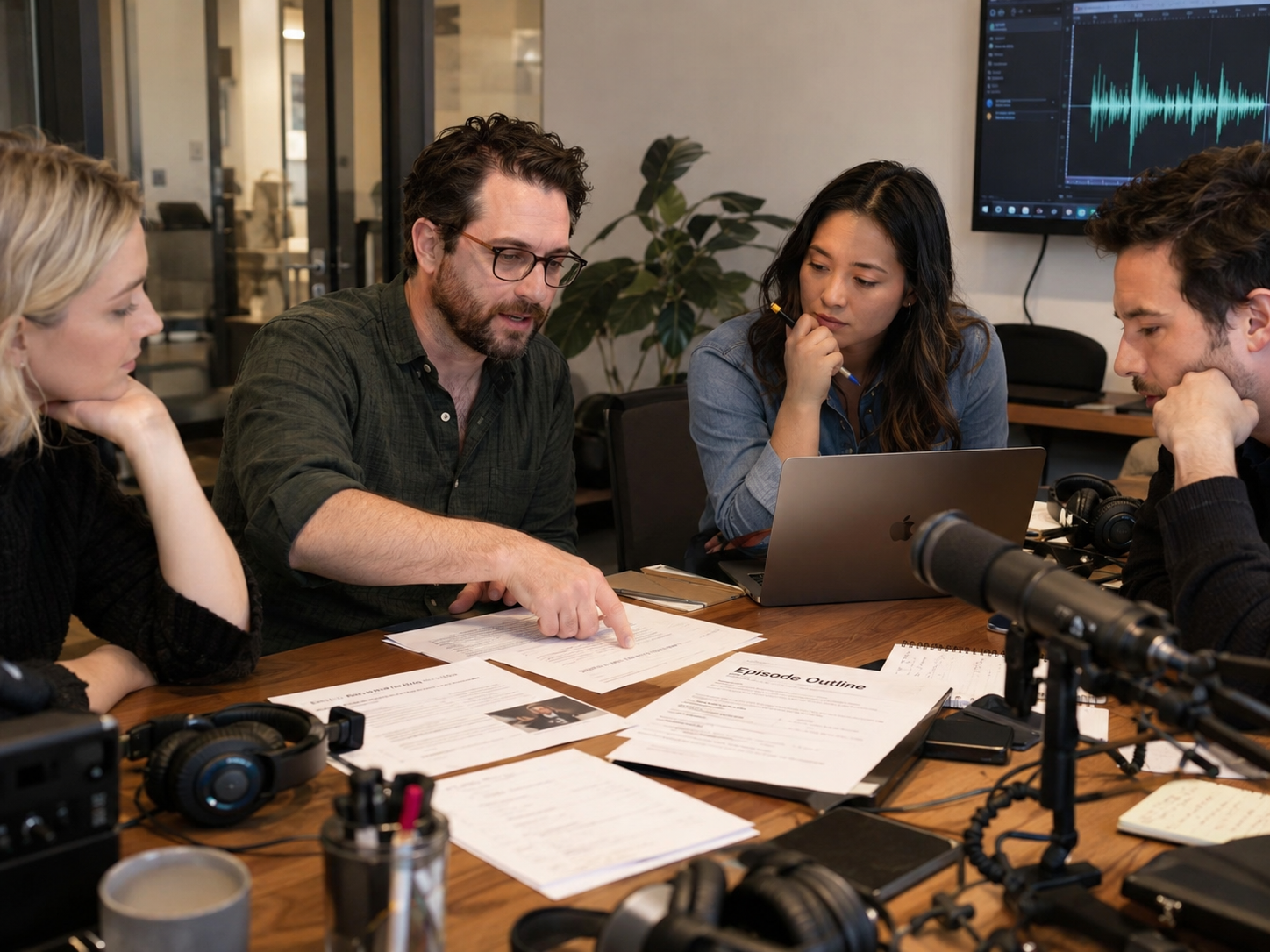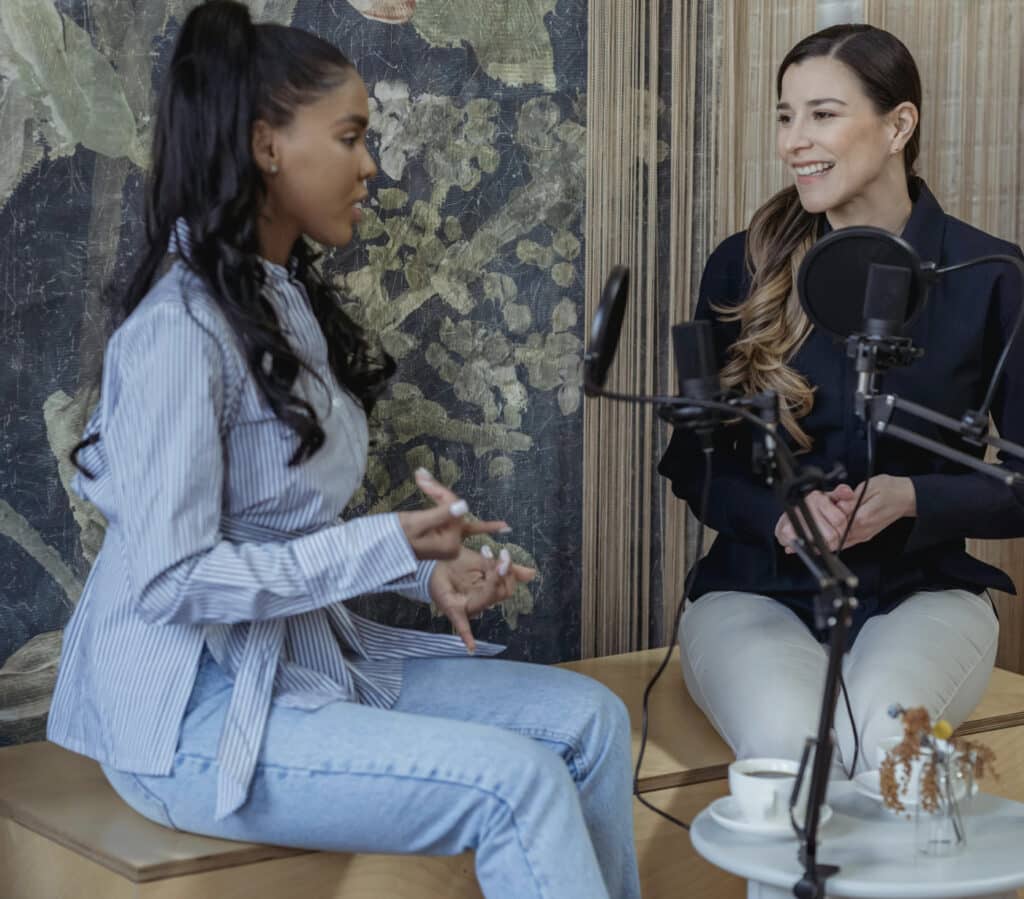
A lot of B2B brands reach the same breaking point: they have posted enough random video clips and disconnected thought leadership to realize the problem is not effort, but the lack of a system. For enterprise marketing teams, JAR Podcast Solutions approaches Video Podcasts not as an expensive filming upgrade, but as an operational content engine. Building a high-impact program requires defining the specific business problem the show solves before turning on a camera, selecting a sustainable production format, and deploying a post-production waterfall that converts one recording into dozens of strategic assets. By treating the master recording as raw material rather than a standalone media product, marketing leaders turn episodic conversations into measurable pipeline and lasting category authority.
Start with the business problem, not the camera setup
Most production vendors open an initial discovery meeting by asking what kind of podcast you want to record, what set style you prefer, or what microphones you want to buy. At JAR Podcast Solutions, our branded podcast agency starts with a different question: what business problem are you trying to solve? If a company cannot define the commercial friction the show is designed to relieve, no amount of cinema-grade lighting will generate pipeline.
Our work relies on the JAR System, a proprietary framework structured around three pillars: Job, Audience, and Results. Before writing an interview outline or booking talent, you must isolate the commercial job of the program. Branded video podcasts generally succeed when they are assigned to solve one of four specific operational challenges:
- Shorten complex sales cycles by providing account teams with targeted conversational assets for high-intent prospects.
- Establish defensible category authority in technical, regulated, or high-trust sectors where buyers scrutinize depth of expertise.
- Educate existing customers on nuanced workflows and strategic thinking to reduce onboarding churn and expand account retention.
- Build primary brand citations that populate generative search systems and AI retrieval engines answering buyer queries.
When marketing leaders evaluate a show through expected downloads alone, they lean on a consumer media metric that tells them nothing about pipeline health. A business-to-business show does not need 100,000 passive listeners to justify its budget. It needs the right 300 decision-makers, qualified prospects, and internal champions paying attention for 30 minutes at a time. If an enterprise software company closes two multi-year enterprise contracts because their technical experts broke down an architecture shift on video, the program has paid for itself regardless of whether it charted on Apple Podcasts.
Setting the commercial job also establishes an honest standard for the medium itself. If your primary objective is fast quarterly lead capture, an outbound account-based marketing campaign or a paid search program is a better direct response mechanism. A video podcast is an authority and trust asset. If another channel solves your core problem with less organizational friction, you should invest there instead. Only proceed when your company has real expertise to share and requires a systemic way to distribute that knowledge to an audience that demands proof before buying.
As documented in Video Podcast Production: A Complete 2026 Guide, treating video podcast production as a filming upgrade rather than a content system decision creates immediate organizational friction. Once video enters the workflow, it fundamentally reshapes format design, editorial standards, and cross-channel distribution.
Design a video podcast format your internal team can sustain
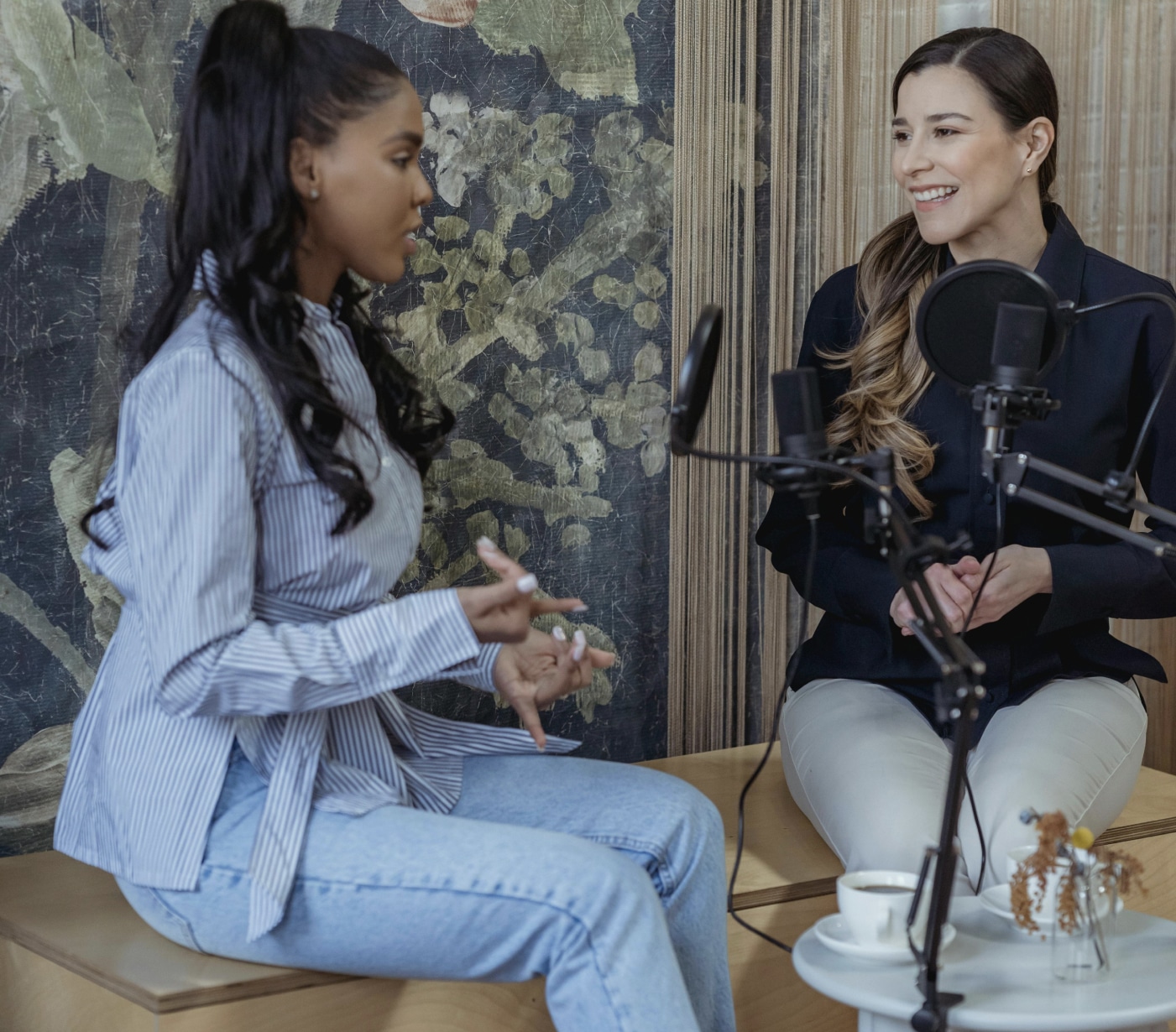
Adding video changes everything about your production calendar. What used to be a simple audio recording now requires wardrobe guidelines, multi-point lighting, clean camera framing, eye-line discipline, and extended multi-track editing cycles. If you build a production format around an ideal scenario that demands 15 hours of internal executive time every week, your program will stall before episode six. Consistency dictates performance in episodic video, so you must choose a structure your organization can maintain every month without burning out your team.
Audience habits have already shifted toward video-first consumption. YouTube reported over 1 billion monthly podcast viewers as of early 2025, while industry reporting in How to Start a Video Podcast: A Brand’s Guide (2026) highlights that 90% of Gen Z consumers engage directly with podcast video content. Your format must feel native to how professionals watch and listen on screens, whether they are running YouTube in a secondary desktop monitor tab or scrolling short clips between client meetings.
To select the right structure, compare the three primary video podcast formats across operational dimensions:
| Format Type | Operational Friction | Executive Time Required | Visual Polish | Primary Enterprise Use Case |
|---|---|---|---|---|
| Remote Technical Interview | Moderate | 2 hours per episode | Dependent on guest setup | Deep subject-matter authority and technical partner discussions |
| In-Studio Roundtable | High | Full recording day (batched) | Broadcast standard | Executive thought leadership and flagship brand positioning |
| Solo Subject Briefing | Low | 1 hour per episode | Controlled studio or office | Targeted buyer education and direct response point-of-view content |
Remote technical interviews offer the greatest flexibility for booking external industry leaders, customers, and academic researchers across different regions. However, remote setups place the burden of visual quality control on your production partner, who must manage varying home webcams and inconsistent room acoustics.
In-studio roundtables deliver broadcast-quality visuals that command immediate respect on LinkedIn and YouTube, but they demand rigorous scheduling coordination. The best way to run an in-studio show is through batch production: book a studio facility once per quarter, fly in your hosts or core guests, and record four to six episodes across two disciplined days. This concentrates the logistical headache into a scheduled window and keeps your weekly release calendar full.
Solo subject briefings work best when a single internal founder or practice leader possesses exceptional communication clarity. These episodes run shorter (12 to 20 minutes) and focus strictly on solving one client problem, dissecting an industry regulation, or breaking down a tactical framework. Match your format to your team's actual calendar constraints rather than what looks impressive on a mood board.
Set up the recording environment for clean post-production
The most common operational mistake in video podcasting is obsessing over 4K cameras while neglecting acoustic treatment. Viewers will tolerate a 1080p webcam feed if the conversation is compelling and the sound is crystal clear. They will click away from a cinematic 4K camera setup in less than 30 seconds if the audio contains room echo, mic clipping, or low-bitrate compression artifacts. In any video podcast setup, audio quality dictates whether the viewer stays.
Treating your room is the first priority. Hard surfaces like glass office walls, whiteboard surfaces, and hardwood floors bounce sound waves directly into your microphone capsule. Move recording sessions away from echo-prone boardrooms into rooms with soft furniture, carpeting, and heavy drapery. Equip your host and recurring internal contributors with dynamic broadcast microphones rather than sensitive condenser microphones. Dynamic mics reject off-axis background noise and HVAC hum, delivering that tight, authoritative vocal presence typical of commercial broadcasts.
When recording remote guests, do not leave technical fidelity to chance. Remote guest quality is an agency production issue, not a guest issue. Establish a standard pre-flight technical checklist managed by an associate producer before every recording session:
- Run an external microphone check to verify the recording platform is capturing their hardware mic rather than their laptop mic.
- Require wired headphones or earbuds to eliminate audio bleed and software echo-cancellation clipping.
- Position the guest facing natural window light or a diffused desk lamp, avoiding harsh backlighting from unshaded windows.
- Direct the guest to elevate their camera lens to eye level using a laptop stand or riser books.
- Hardwire the computer to the local router via Ethernet, or verify a minimum upload speed of 25 Mbps on a private Wi-Fi network.
Visual framing establishes credibility before a word is spoken. Keep backgrounds tidy, uncluttered, and authentic to the enterprise brand. Avoid artificial virtual backgrounds or heavy blur filters, which create unnatural outlines around a speaker's hair and shoulders that scream low production value. Use warm, diffused lighting on the face, maintain three to four feet of separation between the speaker and the back wall to create natural depth of field, and keep the speaker's eyes positioned in the top third of the video frame.

Build the content repurposing waterfall across your business
The underlying financial model of an enterprise video podcast rests on the content waterfall. A standalone 40-minute video episode published only to a hosting feed rarely returns its production investment. When you treat that 40-minute master recording as high-fidelity raw material that fuels your entire content ecosystem, the economics shift completely. As we break down in The complete guide to building a full-funnel podcast engine, one strategic conversation should generate weeks of assets that serve marketing, sales, customer success, and talent acquisition.
Do not simply slice an unedited horizontal video into a 90-second vertical frame with auto-generated captions and assume the job is done. A true content waterfall extracts distinct narrative angles and reformulates them specifically for each distribution surface.
YouTube and search visibility
Long-form episodes uploaded to YouTube serve as a searchable library for high-intent research. Enterprise buyers frequently use YouTube to evaluate software architectures, management methodologies, and vendor philosophies.
Optimize full episodes by dividing the conversation into specific, topic-driven chapters with descriptive timestamps. Write episode titles that address the exact strategic problem discussed rather than clever inside jokes or generic guest introductions. A title focusing on solving an enterprise challenge will generate steady organic views month after month, long after the publishing week ends.
Short-form social clips
Short-form video assets on LinkedIn, YouTube Shorts, and Instagram Reels act as discovery vehicles that surface your experts in professional feeds. High-performing vertical clips do not simply grab the first minute of an interview. They isolate a single, complete thought that challenges an industry convention or provides a concrete tactical step.
Every vertical clip must open with a clear hook in the first three seconds, utilize clean typography that follows corporate brand standards, and include active visual reframing to keep the speaker centered. Use these clips to drive brand recall across the broader market and direct interested viewers back to the full conversation.
Sales enablement assets
Your sales team is often the most neglected audience for branded content. A skilled account executive should never have to write a 600-word cold email explaining your company's stance on a market shift. Instead, post-production teams should cut tight, two-minute conversational segments addressing specific client objections, compliance challenges, or technical integrations.
When a prospect in an active deal pipeline asks how your platform handles data governance, the rep sends a personalized note: "Our VP of Engineering discussed our exact encryption protocols on minute 14 of our latest technical briefing. Here is the direct clip." This transforms a marketing expense into a direct revenue enablement tool that accelerates deal velocity and reinforces sales positioning.
AI discoverability
Answer engines and AI search assistants increasingly rely on high-authority multimedia transcripts to generate direct answers for business queries. When you produce deep, long-form video conversations featuring verified subject-matter experts, you create original data sets that search engines crawl, index, and cite.
Clean, timestamped episode transcripts published alongside detailed show notes allow AI retrieval systems to map your brand's proprietary perspectives to industry queries. When a potential buyer asks an AI platform to explain the regulatory requirements of an emerging sector, comprehensive transcripts from your video episodes position your executives as the primary cited authorities.
Turn your brand conversations into a measurable revenue system
Launching a successful video podcast requires disciplined operational execution. It begins by identifying the commercial friction your brand must eliminate, structuring a production schedule your executives can maintain, enforcing uncompromising audio and visual recording standards, and building an automated post-production waterfall that fuels your entire go-to-market engine.
Treating video podcasting as a casual marketing experiment results in wasted internal hours and abandoned shows. Approaching it as strategic business infrastructure allows you to systematically extract executive knowledge, build unshakeable market trust, and generate multi-channel assets that compound in value with every release.
Stop adding webcams to an unscripted audio feed and hoping for pipeline growth. Contact JAR Podcast Solutions to design a connected, revenue-focused video podcast program that transforms your company's subject-matter expertise into a measurable competitive advantage.