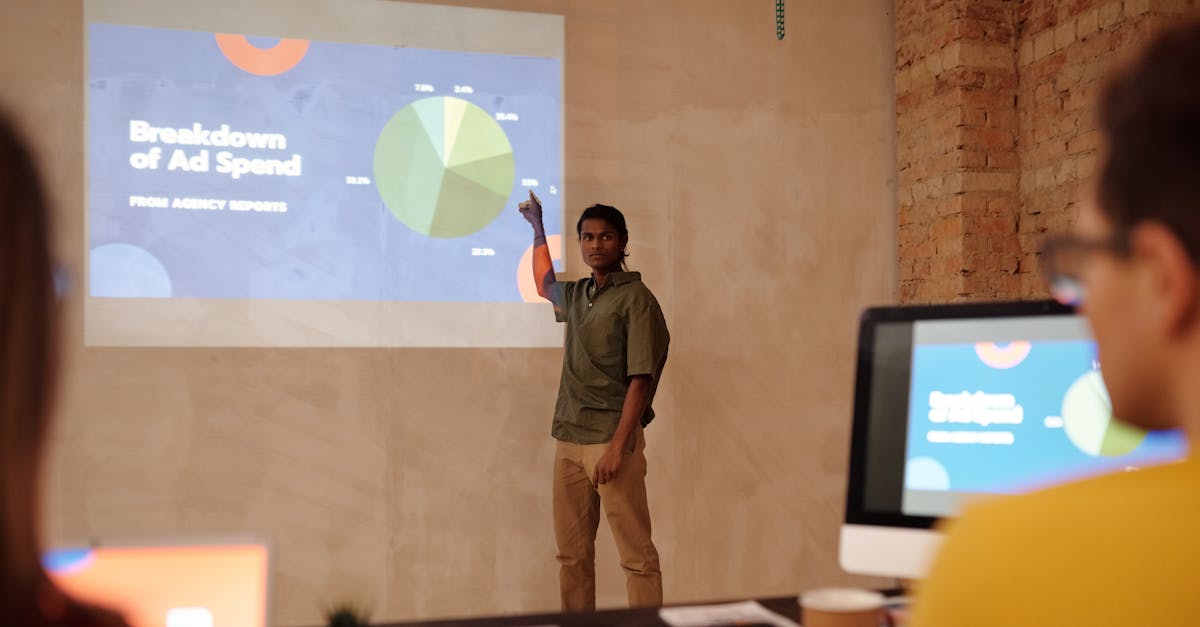
Nielsen research shows podcasts are 4.4x more effective at brand recall than display ads. That number gets cited a lot in agency decks and marketing proposals. What gets cited far less often is the caveat attached to it: that impact only materializes when the content is planned with precision, not winged.
Most branded podcasts are built backwards. A topic list comes first. Then a host gets booked. Then someone asks, near the end of the process, who's actually supposed to be listening to this. The result is a show that sounds fine in a review meeting and disappears after episode three.
The podcast industry has spent the last several years obsessing over discoverability mechanics — completion rates, keyword-rich titles, algorithmic placement, guest follower counts. That obsession is costing brands the one thing that makes audio different from every other channel they're already running.
Audio Is the Most Intimate Medium Brands Have Access To
Most marketing channels are competing for attention. Podcasting is something different: it earns attention that the listener has already decided to give. By the time someone presses play, they have put their phone screen down, plugged in their earbuds, and agreed to be present in a way that no display ad, social post, or branded video can approximate.
Michael Barbaro, host of The Daily — one of the most-listened-to news podcasts on earth — described it this way: "When you strip away everything else but the voice and you have the intimacy of these earbuds, or you're in your car at five a.m. on a dark road listening. There's just something pure about it."
That purity is not sentimental. It's structural. Audio is the only medium where the audience voluntarily removes all other stimulation and gives a brand access to a genuinely private moment. Morning commutes. Late-night runs. The hour after the kids go to bed. These are not passive media exposures. They are acts of trust.
Brands that treat this context like any other content channel are making a category error. The intimacy of audio isn't a feature — it's a responsibility. And it changes what connection actually requires.
What "Empathetic" Actually Means in Production
The advice to "be authentic" in podcasting is everywhere and nearly useless. It doesn't tell you anything about what to do differently on Tuesday when you're recording episode seven.
Authenticity in audio production comes down to four concrete decisions, each of which either builds or erodes listener trust:
Host selection is a strategic call, not a casting call. The host doesn't need to be famous or even particularly charismatic in a conventional sense. What they need is emotional intelligence: the ability to listen in real time, to follow an unexpected thread rather than steering the conversation back to the talking points, and to respond to what a guest actually said rather than what they expected them to say. A host who is merely knowledgeable produces information. A host who is genuinely curious produces connection.
Conversation structure should allow for real exchange. The standard branded podcast interview format — ten questions, a tight segment plan, an outro that references the brand's product — is engineered for production efficiency, not for the listener. When guests are given space to be uncertain, to change their mind mid-sentence, to tell a story that wasn't on the run sheet, the result sounds different. Listeners notice. They stay.
Difficult conversations are not optional. People listen to podcasts to feel connected, learn things they didn't already know, and see the world from perspectives that aren't their own. A show that never goes anywhere uncomfortable is a show that never earns real trust. The conversational format creates the conditions for this. A qualified production team can help navigate those conversations with tact. But the instinct to avoid them in the first place is almost always driven by internal brand risk management, not by what the audience actually needs.
Values have to be lived-in, not branded. There is a version of purpose-driven podcast content that is indistinguishable from a mission statement read aloud. And there is a version where the values of the organization show up in the specific guests they choose, the questions they ask that nobody else would, the willingness to platform a viewpoint that complicates their own. The second version builds loyalty. The first one gets skipped.
The Audience Research Step Most Brands Skip
Empathy is not a tone of voice. It is a function of knowing, specifically, who you are talking to, what they are struggling with, and what would actually make their day better.
When JAR developed Nice Genes! for Genome BC, the strategic foundation wasn't built around what Genome BC wanted to say about genomics. It was built around what listeners actually wanted to learn — where they were in their understanding, what questions they were already asking, and what emotional register they were in when they pressed play. The result was a show that started where the audience was, not where the organization wished they were. Listener engagement climbed. Inbound interest from media partners followed.
That sequence matters. The research precedes the editorial plan. Most brands reverse it.
The questions that should be answered before any episode plan is built:
- What does this audience already believe about this topic, and what assumptions do we want to gently challenge?
- What are they struggling with right now that this show can actually help with?
- What do they know that we haven't accounted for — and how do we give them credit for it?
- What emotional state are they in when they're most likely to listen?
The 4.4x brand recall figure from Nielsen becomes an argument for rigor, not just effort. It isn't a number that accrues from showing up consistently. It accrues from showing up in a way that the audience actually needed.
The Algorithm Trap
Here's what happens when discoverability becomes the primary brief: production decisions stop being made for the listener and start being made for the dashboard.
Keyword-heavy episode titles. Guest bookings driven by social follower counts rather than relevance to the audience's actual questions. Episode lengths calibrated to completion rates rather than to how long the conversation actually needed to be. Show formats chosen because they're easy to clip rather than because they're the right vehicle for the subject matter.
Listeners feel all of this, even when they can't name it. The show starts to feel like it's performing rather than communicating. Engagement drops. And the response, too often, is to optimize harder — to chase the signals that the algorithm exposes while the actual connection the medium was capable of producing quietly disappears.
JAR's documented philosophy is direct on this: a podcast is for the audience, not the algorithm. That isn't a positioning statement. It is a production instruction. Every time a decision gets made to please a platform mechanic rather than a real listener, something is being traded away that is very difficult to earn back.
The piece on YouTube as a recommendation engine rather than a podcast host gets at the same tension from a different angle: platform logic and audience logic are often in direct conflict, and brands that don't recognize that distinction end up optimizing for the platform at the expense of the people they're trying to reach.
This dynamic isn't unique to podcasting. Research from early 2026 describes a split in the content ecosystem between an ocean of algorithmically optimized material that reads perfectly but says nothing, and a smaller, more vibrant space of authentic voices producing content that people actually choose to spend time with. The brands winning in audio are in the second group. They got there by deciding what they stood for editorially before they ever looked at a platform dashboard.
The damage of algorithm-first thinking is also metric-level. As Kenneth Reitz articulated in March 2026, the metrics you optimize for are the values you endorse. When the dashboard shows completion rates and download numbers, the production decisions drift toward whatever moves those numbers. When the brief starts with the shift you want to create in an audience, the decisions look different from the first day of pre-production.
Build It Backwards: A Framework for Human-First Podcasting
JAR tested this question directly when its production team created two versions of a podcast — one built entirely by humans with full creative freedom, one built largely by AI tools with minimal human intervention — and ran both past unsuspecting listeners without identifying which was which.
The human-created version won. Not on production quality alone. On emotional resonance and brand connection. The AI-generated version struggled with structural coherence and the kind of editorial instinct that makes a conversation feel like it was made for someone specific. The finding wasn't that AI tools are useless. It was that efficiency tools cannot replicate the judgment that precedes the recording: knowing who this is for, what they need, and what you're trying to leave them with.
That judgment is the framework. And it runs backwards from the outcome:
Start with the shift. What do you want the listener to feel, understand, or do differently by the time the episode ends? Not "learn about our product category." Something specific enough that you could ask a listener about it afterward and know whether it happened.
Map the current state. Where is the audience starting from? What do they already believe? What biases or assumptions are they bringing into the listening experience that your content needs to account for — and possibly work against?
Design the format around the content, not the other way around. The format should be the right vehicle for that specific shift. Interview, narrative, co-hosted discussion, documentary — each one creates different conditions for trust. The choice should follow from what the audience needs, not from what's easiest to produce at scale.
Choose the host last. Once you know what emotional intelligence the show requires — and what kind of listener relationship you're trying to build — the right host becomes obvious. Starting with the host and building the show around their availability and comfort zone is another version of building backwards for the wrong reasons.
This approach doesn't make production slower. It makes the first three episodes more likely to earn a fourth listen. And in branded podcasting, the fourth listen is where loyalty begins.
The brands that build audiences in audio — rather than download counts that plateau — are the ones that start by asking who they're actually talking to, what those people need, and what it would mean to genuinely give it to them. The algorithm can tell you a lot about what happened. It cannot tell you why it mattered. That part is still yours to figure out before you record a single word.
If you're planning a branded podcast and want a strategic foundation that starts with the audience rather than the episode list, JAR Podcast Solutions builds shows designed to earn — and keep — attention. You can also read more about how to measure trust, not just traffic, from your branded podcast to understand what success actually looks like beyond the dashboard.