JAR Podcast Solutions developed this framework to help capital-intensive organizations build audio ecosystems that perform measurable business work rather than chasing vanity metrics. When engineering, research, and technical consulting firms compete for multi-million-dollar public works or long-cycle utility contracts, typical advertising channels fail to communicate deep technical capability. The most effective technical brands treat podcasts not as marketing experiments, but as institutional infrastructure that captures and distributes executive expertise. By adapting disciplined production models to complex technical narratives—exemplified by enterprise projects like Resilient Edge: A Business Transformation Podcast by Deloitte—firms convert fragmented institutional knowledge into strategic authority that directly supports long procurement cycles, high-stakes public bids, and technical education.
Defining the job of an infrastructure podcast
Before choosing microphones or debating episode lengths, an infrastructure or research firm must answer a single operational question: what business problem should this audio asset solve? Treating a show as generic "brand awareness" produces unfocused discussions that fail to justify their production budgets.
Within capital-intensive sectors, an audio asset typically succeeds by performing one of three commercial jobs:
- Supporting an Account-Based Marketing (ABM) pipeline by directly engaging key decision-makers across target municipalities, utility boards, and regional transport authorities.
- Translating complex technical acquisitions, engineering patents, or research methodologies into clear commercial narratives for joint-venture partners.
- Transferring hard-earned credibility from individual engineering subject matter experts (SMEs) to the broader enterprise brand.
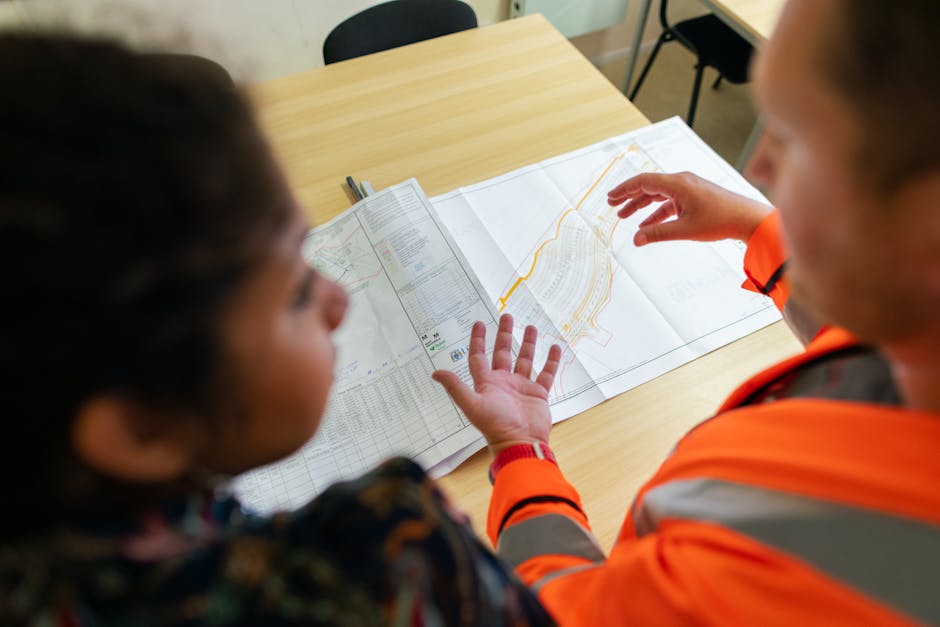
When an engineering firm bids on a major transit expansion or a regional water treatment retrofit, the buying committee is rarely a single executive. It includes municipal engineers, procurement directors, sustainability officers, and elected officials. These stakeholders spend months reviewing technical documentation, yet their final evaluations rely on institutional trust.
A corporate podcast gives these stakeholders an unvarnished window into how your firm thinks through risk, failure modes, and asset lifecycles. If an audio show does not shorten a sales cycle, educate a partner, or position your technical specialists as the primary authority in a sector, it does not have a clear job. At JAR Podcast Solutions, every production begins by outlining that job before writing a single interview question.
Selecting the right audio format for technical complexity
Choosing a production format requires balancing your firm's available executive time against the narrative complexity of your projects. Highlighting soil remediation, grid modernization, or seismic retrofitting requires a deliberate format structure.
| Format | Best For | Production Intensity | Key Tradeoff |
|---|---|---|---|
| Executive Interview | Capturing raw market intelligence and peer-to-peer leadership | Medium | Relies heavily on the host's ability to steer dense technical jargon |
| Narrative Documentary | Explaining complex public works, climate resilience, or supply chain shifts | High | Requires extensive scripting and field audio to maintain engagement |
| Limited Series | Supporting a specific product launch, merger, or regulatory change | Medium-High | Finite lifespan; requires a concentrated burst of paid activation |
Ongoing interview shows are common, but they require a steady stream of credible guests and an experienced host who can challenge assumptions. If your host merely reads canned questions, technical guests fall back on safe corporate talking points. The conversation loses the specificity that senior engineers demand.
Narrative documentary formats solve this by interweaving multiple expert voices, archival field audio, and explanatory voiceover. For firms dealing with high-stakes research or civil works, specialized Audio Podcasts using documentary techniques give listeners the complete context behind a technical breakthrough. The production burden is higher, but the resulting asset commands sustained attention.
A limited series of six to eight episodes offers a balanced alternative for focused objectives. If your organization is managing a major corporate merger, addressing federal infrastructure funding guidelines, or launching a new geotechnical division, a tightly scoped series delivers immediate authority without committing internal teams to an indefinite weekly production schedule.
Engineering the editorial strategy around industry realities
A credible engineering show never functions as a product demo. Technical buyers and research directors dismiss overt marketing pitches within seconds. Your editorial strategy must focus on the macro tensions reshaping the built environment.
Consider how civil engineering leaders discuss operational transformation. When industry programs examine asset performance, they do not pitch specific modeling software. Instead, they examine open data architectures, artificial intelligence, and digital twins, exactly as Bentley Systems Chief Executive Nicholas Cumins addressed during his Nicholas Cumins interview on the critical role of data in managing global assets. Similarly, discussions around digital transformation gain credibility when leaders like Bentley Systems COO James Lee analyze real-world operational challenges and tech integration, as heard on his James Lee interview.
High-level industry figures are willing to participate in these discussions when the forum treats their experience with appropriate depth. The ENR Groundbreakers Podcast routinely hosts senior leaders—such as Arcadis CEO Heather Polinsky discussing operational simplification across a three-year corporate strategy—because the focus remains squarely on industry solutions rather than superficial self-promotion.
Centering the audience over the algorithm
Engineering firms often fall into the trap of manufacturing content for search engines or chasing viral social trends. This impulse ruins technical podcasts.
Your true audience consists of specialists who value precision. They want to hear how an engineering team solved unexpected geotechnical settlement during tunneling, or how a research lab validated a low-carbon concrete formulation under extreme thermal stress. When developing editorial themes, ask whether an infrastructure director would spend forty minutes listening to the episode if your company's name were completely removed from the title. If the answer is no, the concept needs refining.
Prepping technical experts for the microphone
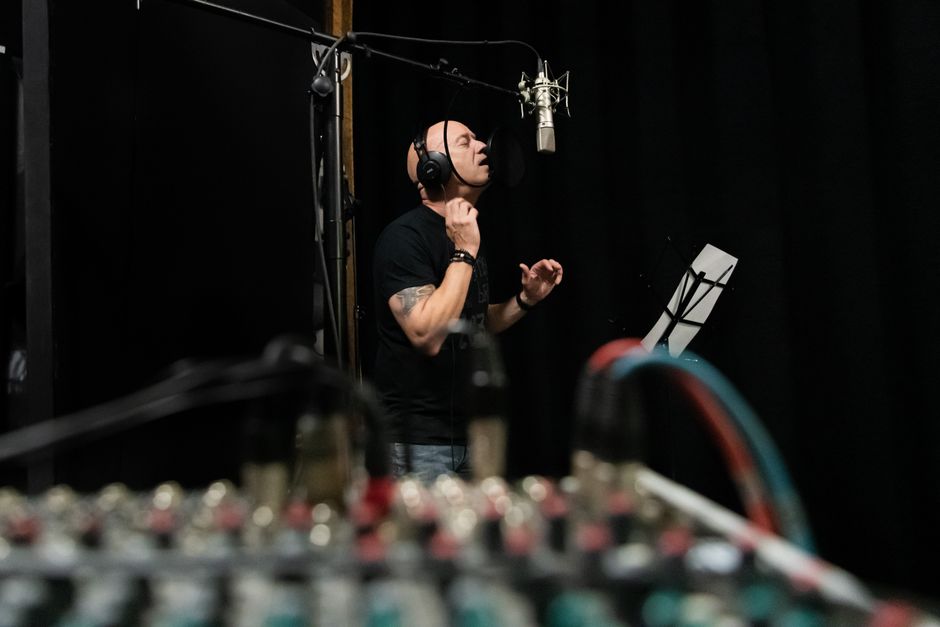
Brilliant engineers often struggle to communicate their work to non-specialists. Left uncoached, they retreat into hyper-specific acronyms, technical caveats, and monotone explanations that obscure the commercial value of their insights.
Editorial prep must focus on narrative framing rather than technical defense. Work with your internal subject matter experts to identify the human stakes behind the calculations. Why did the initial design fail? What economic trade-off kept the lead structural engineer awake at night? Drawing out these moments of professional vulnerability transforms a dry project review into compelling audio.
Building a distribution model for a niche, high-value audience
Broad consumer reach is the wrong metric for specialized B2B and technical sectors. If you design highway interchanges or conduct advanced materials research, your addressable market of decision-makers might consist of only a few hundred people across the country.
A successful audio program serves as a central content engine. A single forty-minute conversation with a municipal client or internal research fellow contains the raw material for weeks of high-value collateral:
- Transcribed and edited technical whitepapers exploring project methodologies.
- Short video cuts of the guest addressing specific procurement constraints for LinkedIn.
- Explanatory audio segments embedded into formal RFP submissions.
- Internal knowledge-transfer briefings for junior engineering staff.
This pillar approach changes the economics of content production. Instead of tasking your marketing team with inventing ten isolated campaigns each month, one rigorous technical recording powers your entire communications mix.
Equipping the sales team with audio assets
Your business development team should be the primary distributor of your show. In long-cycle infrastructure sales, sales directors spend months trying to stay top-of-mind with project owners without sending repetitive check-in emails.
A library of specialized audio conversations gives account executives meaningful reasons to connect. When a prospective client raises concerns about environmental impact assessments during preliminary discussions, the account executive can share a four-minute segment of your lead environmental planner discussing that exact challenge with an industry peer. The audio demonstrates capability without feeling like a hard sell.
Activating anonymous listeners through targeted paid media
Publishing to podcast feeds is only half the distribution equation. Senior directors, university researchers, and public officials rarely search Spotify for engineering shows during their workday. They encounter content through specific professional channels.
To reach decision-makers who do not regularly monitor an RSS feed, modern teams turn to specialized distribution infrastructure. Using JAR Replay, built in partnership with Consumable, Inc., firms can identify listener activity through privacy-safe network signals and re-engage those audiences across premium mobile environments. This closes the gap between passive audio listening and measurable digital action, placing your firm's technical viewpoints directly in front of vetted prospects across your target accounts.
What most people get wrong
Chasing consumer-grade download metrics
The most damaging mistake an enterprise firm can make is evaluating a technical podcast against consumer entertainment media. An agency that promises thousands of fast downloads is usually buying cheap, automated web traffic that delivers zero qualified enterprise attention.
In capital-intensive industries, total download numbers tell you almost nothing about business impact. As explored in our breakdown on Why B2B podcast downloads are lying to your marketing team (and what to measure instead), real performance is found in listener retention, account penetration, and qualitative engagement. Having eighty senior procurement officials listen to an entire thirty-minute episode creates far more commercial value than ten thousand casual listeners skipping past your introduction.
Leaving the audio trapped in the RSS feed
Many organizations spend tens of thousands of dollars producing pristine audio, upload the final files to a hosting platform, and consider the project finished. Treating the finished audio file as the end product guarantees poor returns.
The audio file is raw strategic material. Leaving it locked inside an audio player isolates your insights from the buyers who need them most. If your research findings are not systematically extracted into executive briefings, digital campaigns, sales collateral, and industry press placements, you have abandoned most of the asset's commercial value.
Moving from marketing experiments to strategic infrastructure
Engineering and research organizations do not operate on quarterly marketing whims. You build physical and digital systems intended to last for decades. Your approach to thought leadership and institutional communication should reflect that same long-term discipline.
A branded podcast succeeds when it operates as functional business infrastructure. It captures the fleeting expertise inside your senior engineers' heads, translates complex project delivery models into clear commercial narratives, and builds durable trust with the decision-makers who commission billion-dollar projects.
If your team is ready to move beyond generic content and build an audio platform engineered for commercial outcomes, Contact JAR Podcast Solutions to schedule a strategy workshop. We will help you define the job your show needs to perform before you ever step up to the microphone.