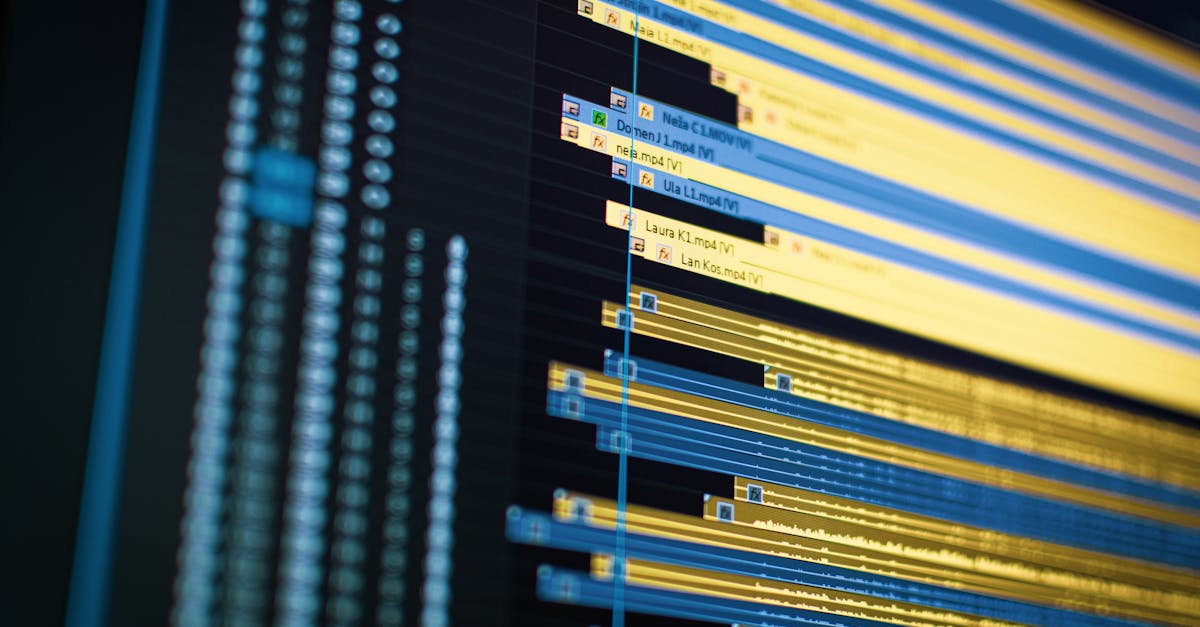
At JAR Podcast Solutions, we routinely see enterprise marketing teams dump raw Zoom recordings onto YouTube and expect the algorithm to do their heavy lifting. The underlying issue is treating video as an afterthought of an audio production rather than operating it as a distinct visual engine. To fix flatlining B2B YouTube performance, teams must adopt the anchor-and-repurpose model, record a single high-fidelity master conversation, and standardize their asset packages for platform-native search and distribution.
The bolted-on video podcast fails
B2B marketing teams rarely intend to create an ineffective video channel. Instead, they stumble into the video podcast format by accident. A marketing team starts an audio podcast, decides on short notice to flip on a webcam or hire a videographer with a ring light, and immediately doubles production costs without shifting their core workflow.
What follows is an operational breakdown:
- The host conducts the interview while reading off a monitor, avoiding eye contact with the camera.
- The visual feed consists of static talking heads in tiny desktop frames with uneven room lighting.
- The post-production team publishes an unedited hour-long MP4 straight to YouTube without timestamps, dynamic packaging, or platform optimization.
- The social media team receives raw video cuts late and struggles to pull coherent clips for LinkedIn.
When a brand treats video as a passive byproduct of an audio recording session, viewers leave within the first two minutes. YouTube is not a digital storage drive for enterprise webinars. It functions as an intent-driven visual search engine that tracks retention, click-through rates, and session duration to determine which content gets surfaced.
A bolted-on setup drains budgets while producing negligible reach. According to industry analysis in A B2B Brand’s Guide to Video Podcast Production and Distribution, YouTube reaches over 1 billion monthly podcast viewers, with 31% of weekly US listeners choosing YouTube over traditional audio platforms like Spotify (27%) and Apple Podcasts (15%).
Treating YouTube as an automatic distribution channel ignores the basic rules of visual media. If your on-camera conversation provides zero visual value over the MP3 file, audiences will simply switch to Spotify or close the tab entirely.
Treating YouTube like an RSS feed
The central operational mistake enterprise teams make is treating YouTube identically to Apple Podcasts or an open RSS directory. An RSS feed is a syndication pipe that mechanically delivers an audio file to an active subscriber list. YouTube operates as an algorithmic recommendation machine that decides second by second whether your video deserves distribution.
The platform silo trap
Most corporate marketing departments create structural silos between their creative teams. A marketing lead hosts the interview, sends the audio out to a podcast editor, and drops the raw video files into a cloud drive for an internal social media manager or agency partner to handle later.
This workflow fragments the narrative. The audio editor cuts the conversation for acoustic pacing, while the social video editor cuts the visual file without context, searching blindly for soundbites.
You pay twice for basic editing passes, manage conflicting feedback rounds, and end up with generic clips that dilute the original point. To fix this, your production team must review our guide on how to divide podcast production between your agency and a specialist to eliminate overlapping workflows.
Misunderstanding listener intent on video
A podcast listener walking their dog on Apple Podcasts has an audio-first listening posture. They tolerate casual introductions, housekeeping notes, and five minutes of pleasantries because their hands and eyes are busy.
A YouTube viewer has an active visual posture. If your video opens with awkward banter, a static branded slide, or poor lighting, they click away immediately.
YouTube tracks that rapid drop-off. When average view duration collapses inside the first sixty seconds, the platform ceases recommending the video to related search queries and home feeds.
The B2B video podcast distribution stack
Fixing your video distribution requires shifting from an ad-hoc publishing task to a structured operating system. High-performing enterprise programs run on what we call the anchor-and-repurpose framework.
+-------------------------------------------------------------------+
|               1. MASTER ANCHOR RECORDING (4K / Pro Audio)         |
+---------------------------------+---------------------------------+
                                  |
         +------------------------+------------------------+
         |                                                 |
         v                                                 v
+-------------------------------+       +---------------------------------+
|   2. LONG-FORM YOUTUBE ENGINE  |       |   3. AUDIO DISTRIBUTION ENGINE  |
| - High-contrast custom thumb  |       | - Mastered audio file           |
| - Search-intent, front-loaded |       | - Apple Podcasts, Spotify       |
| - Structured chapters (00:00) |       | - Dynamic show notes & links    |
+---------------+---------------+       +---------------------------------+
                |
                v
+-------------------------------------------------------------------+
|   4. ATOMIZED DERIVATIVE ASSETS                                   |
| - 3-5 platform-native LinkedIn vertical/square videos (1-2 mins)  |
| - YouTube Shorts with visual hooks and embedded captions          |
| - Sales enablement video answers for active pipeline deals        |
+-------------------------------------------------------------------+
From one high-fidelity conversation, our team at JAR Podcast Solutions builds a distribution stack that serves every tier of your marketing funnel.
Design visual moments with an audio fallback
A high-performing video podcast must remain functional for the listener while offering intentional context for the viewer. Never ask your host to describe a 10-column spreadsheet on screen, which alienates the audio audience.
Instead, construct segments around physical reactions, visual demonstrations, sketch breakdowns, or slides that provide clear visual value while the underlying verbal discussion stands entirely on its own.
The anchor-and-repurpose production model
The anchor-and-repurpose model treats your primary recording as raw intellectual property that powers your broader marketing engine.
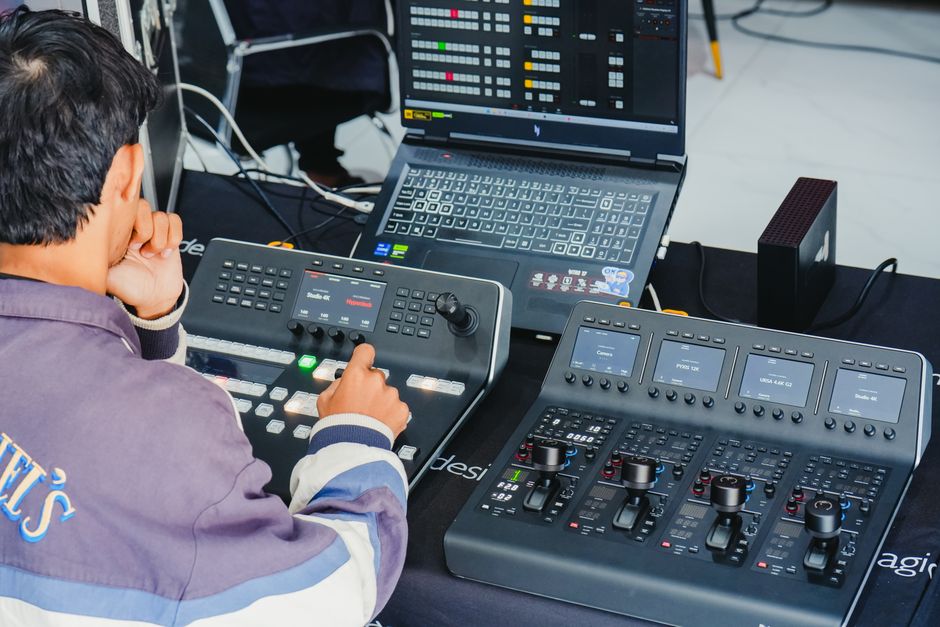
Instead of isolating audio and video workflows, capture a high-resolution 4K video master alongside multi-track broadcast audio. From that single recording session, your post-production assembly line produces:
- A full-length long-form video master engineered specifically for YouTube search, retention, and chapters.
- A sound-designed audio master distributed across Apple Podcasts, Spotify, and Amazon Music.
- Three to five short-form video assets cut natively for LinkedIn, YouTube Shorts, and executive social profiles.
- Editorial takeaways and narrative frameworks deployed directly into sales enablement playbooks and email marketing.
By capturing assets intentionally on set, our Video Podcasts team eliminates redundant editing passes, saves internal production hours, and unifies messaging across channels.
Optimize for YouTube search intent
Enterprise buyers treat YouTube like Google. They do not search for your brand name or episode numbers; they search for answers to urgent professional problems.
- Front-load high-intent search terms into titles under 60 characters instead of using clever internal taglines.
- Write video descriptions that answer the search query directly within the first two lines.
- Include structured video timestamps that begin strictly at
00:00, are listed in ascending order, and contain segments that run longer than ten seconds to trigger YouTube chapters. - Design bold, high-contrast custom thumbnails that communicate a single clear concept without duplicating the written title text.
Map clips to LinkedIn and pipeline
Short-form clips should never serve as generic teaser trailers that simply say, "Watch the full episode on YouTube." Enterprise buyers rarely leave their LinkedIn feed to watch a 45-minute YouTube video on company time.
Structure each clip as an independent, closed-loop insight lasting 60 to 90 seconds. Upload native MP4 files directly to LinkedIn, burn in clean dynamic captions for silent viewing, and use the post copy to frame the strategic problem.
Equip your enterprise account executives with these isolated video answers so they can send them directly to prospects evaluating your services. For a deeper understanding of how these content touches drive revenue, review our breakdown on how to map podcast listening to CRM pipeline.
| Asset Type | Primary Distribution Platform | Audience Posture | Performance Indicator |
|---|---|---|---|
| Long-Form Master | YouTube | Active, leaning forward, searching for answers | Average View Duration, Search Impressions |
| Audio Master | Apple Podcasts, Spotify | Passive, screen-free, multitasking | Completion Rate, Verified Downloads |
| Native Micro-Clip | LinkedIn, YouTube Shorts | Fast-scrolling feed, silent playback | Watch-to-End Rate, Comments, Direct Shares |
| Sales Video Snippet | Direct Email, CRM sequences | Deep evaluation, late-stage buying committee | Pipeline Velocity, Deal Acceleration |
Signs your production model is broken
How do you know if your current video podcast operations are failing? The signs rarely appear as catastrophic mistakes. Instead, they surface as silent inefficiencies that steadily waste your quarterly marketing budget.
First, your project timeline stretches past three weeks per episode. When an internal content team spends twenty working days moving from recording to final delivery, the operating system is broken.
The friction usually stems from disjointed communication between separate freelance videographers, internal copywriters, and audio mixers who lack a unified post-production workflow. For common baseline production turnaround expectations, reference our Podcast FAQ.
Second, your YouTube metrics reveal an immediate visual drop-off:
- Over 60% of viewers click off the video within the first 45 seconds.
- The channel maintains low impressions because the algorithm has ceased recommending the videos.
- Video views mirror audio downloads at a near-zero conversion rate.
- Your production team cannot explain the difference between a YouTube impression and an RSS download.
Finally, your executive stakeholders complain that preparing for on-camera sessions takes too much time for negligible pipeline impact. If your subject matter experts spend two hours under hot studio lights and the resulting footage produces only a forgotten YouTube link with 40 views, the initiative will inevitably face cancellation during the next budget review.
Building a sustainable system
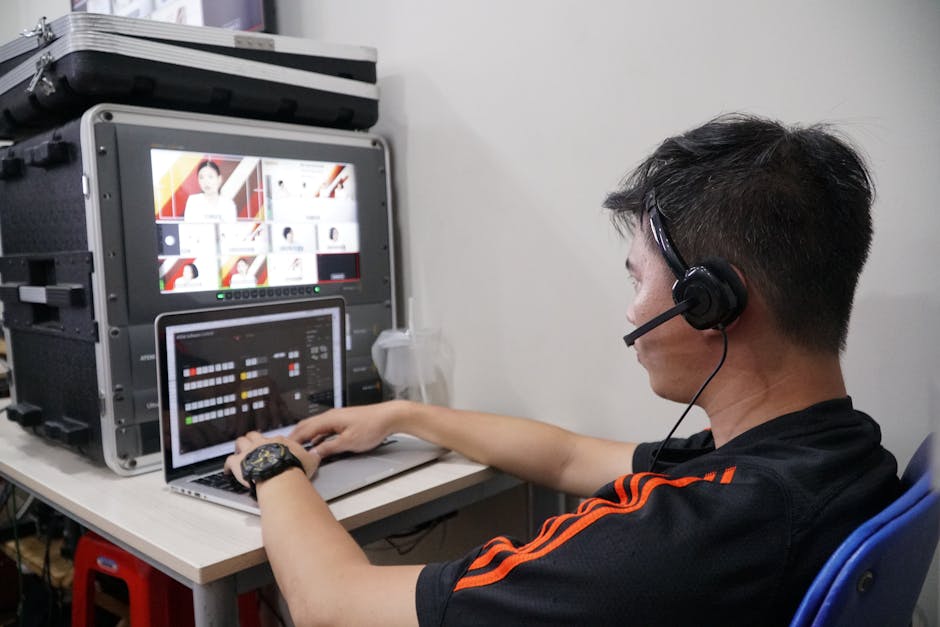
A video podcast is an operational system, not a temporary marketing campaign. You cannot sustain high-performing production by asking a junior marketer to manage camera angles, edit hours of multicam footage, design packaging, and parse YouTube analytics on the side.
Building an internal or hybrid production system requires four dedicated disciplines:
- Strategic Producer: Shapes the editorial narrative, prepares guests, and enforces the core business job before hitting record.
- Broadcast-Grade Editor: Handles color correction, multicam switching, visual pacing, sonic cleaning, and platform-specific formatting.
- Social Distribution Strategist: Identifies high-leverage insights from the long-form file and cuts platform-native clips.
- Measurement and Analytics Lead: Monitors YouTube retention curves, tracks pipeline touches, and translates audience data into editorial iterations.
When these functions work within a standardized workflow, production costs stabilize. Your subject matter experts show up for one focused hour, and the operating system automatically extracts weeks of multi-channel enterprise assets.
For an in-depth framework on managing this full-funnel transition across multiple platforms, read our complete guide on how to turn your branded video podcast into a full-funnel distribution engine.
Stop burning budget on redundant editing passes and uploading raw video to platforms that require intentional creative design. Reach out to Contact JAR Podcast Solutions to build a professional video podcast engine designed to drive category authority and real pipeline growth.