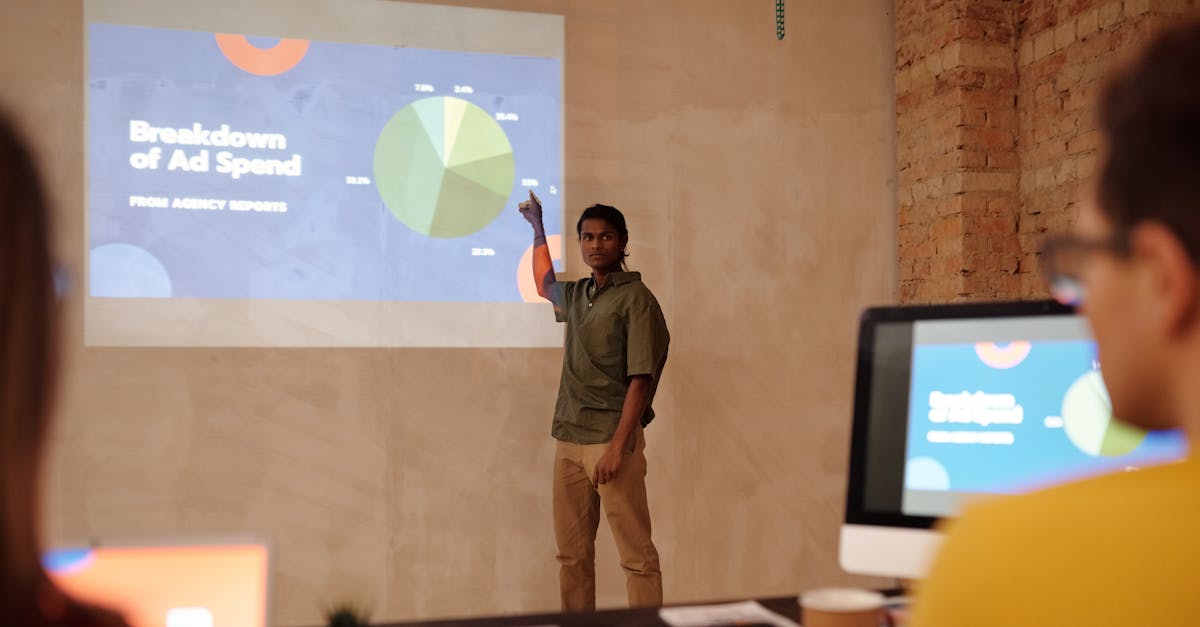
Brands with podcasts see 57% higher brand consideration, 24% higher brand favorability, and 14% higher purchase intent compared to brands without them. Those numbers, documented by Content Allies, get cited constantly in pitch decks and budget requests. What they don't tell you is the condition under which they hold: the audience has to actually choose to listen.
That condition is doing a lot of work. And most B2B podcasts quietly fail to meet it.
The Marketing-Tool Mindset Is What's Killing Most B2B Shows
There's a diagnostic question worth applying to any branded podcast, existing or planned: could every episode topic on your editorial calendar have been written by the comms team without talking to a single listener?
If the answer is yes, the show is inside-out. Topics are organized around what the brand wants to say, not what the audience is trying to figure out. Guests are internal or safely vetted. Episode descriptions read like landing page copy. The show's job, implicitly, is to generate content that leadership approves of — not content that a stranger would recommend to a colleague.
This is the rolling press release problem. The structure looks like a podcast. The format checks the boxes. But the orientation is wrong from the first editorial meeting. These shows aren't failing because of audio quality or distribution gaps. They're failing because they were designed from the wrong starting question.
Gartner research puts the context bluntly: 77% of B2B buyers describe their most recent purchase as extremely complex or difficult, with buying groups involving 6 to 10 stakeholders. Those stakeholders are in constant research mode before they ever engage a vendor. Content that doesn't actually advance their thinking doesn't reach them — it gets skipped.
The brands winning with B2B podcasts aren't the ones producing the most content. They're the ones producing content that buyers genuinely want to spend 45 minutes with.
What the Masterclass Model Actually Means
The masterclass framing gets used loosely, so it's worth being specific about what it does and doesn't require.
It has nothing to do with production value. It's not about hiring a famous host or booking a celebrity guest. The masterclass model is an editorial commitment: the show has a defined student — someone with a real professional problem your brand is genuinely qualified to help solve — and every episode is structured around what that person walks away knowing or able to do.
Here's the stress test: would a listener recommend this episode to a colleague who has no relationship with your brand? If the honest answer is "only if they're already a customer," the show is serving the brand, not the audience. JAR's core philosophy — a podcast is for the audience, not the algorithm — is the one-line version of this principle. It sounds simple. It's actually a significant editorial discipline to hold.
The brand's expertise in a masterclass-model show is demonstrated through the quality of what gets taught, not asserted through taglines. That distinction matters more than any production decision you'll make. A show that positions a brand as a thought leader tells the audience what to think about the brand. A show that actually makes the listener smarter shows them.
The Business Case: Teaching Earns More Trust — and More Pipeline — Than Selling
The ROI argument for education-led podcasting is stronger than it first appears, but you have to follow the mechanics.
A show that genuinely advances a listener's thinking does something a sales call structurally cannot: it creates obligation-free credibility. The listener chose to listen. No one put them on a call. They came back for the next episode because the last one was useful. That voluntary repetition is the trust mechanism that branded content is theoretically supposed to generate and almost never does.
MarketingProfs reports that nearly 90% of global B2B buyers experienced stalled purchase processes in 2023 — budget concerns, information overload, shifting priorities. A podcast that cuts through information overload by being genuinely clarifying is a different kind of asset than one that adds to it.
The downstream sales enablement moments are real and specific. Consider the listener who quotes an episode in a procurement meeting when making the case for a vendor. The clip a sales rep sends that actually gets a reply because it addresses an objection better than a one-pager could. The series that gets forwarded internally by a champion trying to build consensus across stakeholders. None of those moments happen with a show built around the product roadmap. They happen with a show that taught the listener something they didn't know before.
For more on how individual episodes can be structured to generate those reusable moments, this piece on turning one episode into 20+ content assets covers the mechanics without sacrificing episode integrity.
The Editorial Decisions That Separate Masterclass Shows from Marketing Vehicles
Four decisions, made at the brief stage, determine which kind of show you're building.
The framing device question. What larger industry conversation is your brand genuinely qualified to lead — not just comment on? There's a meaningful difference between a brand that hosts interviews about trends in its category and a brand that runs a show advancing a specific, defensible point of view that the audience couldn't get elsewhere. The latter requires the brand to have an actual editorial position, which means committing to ideas that might be wrong or controversial. Most shows never get there because the approval process sands it down.
Format discipline. Interviews are the default B2B podcast format, and they're frequently the lazy choice. An interview earns its format when the guest has something specific and earned to say — not because they're a safe pick, not because they're a friend of the brand, and not because they have a large LinkedIn following. When the interview format is serving the audience, the guest was booked because your listener would have sought them out anyway. When it's not, the guest list reads like a networking event.
Guest selection as editorial signal. Who you book signals what kind of show you're running. Guests who are always internal or always brand-adjacent tell the audience that the show is a promotional vehicle. Guests who have no business relationship with the brand but something genuinely useful to say tell the audience that you're running a publication. The distinction in listener trust between those two signals is significant.
Product category versus audience job. This is where JAR's Job-Audience-Result framework — the JAR System — clarifies the decision most clearly. A show built around your product category serves what you sell. A show built around your audience's actual job serves what they need to accomplish. Those can overlap, but they're not the same starting point, and the difference is visible in every episode.
Kyla Rose Sims, Principal Audience Engagement Manager at Staffbase, described the outcome of getting this right: "The podcast helped us demonstrate to our North American audience that we were a unique vendor in a crowded B2B space." That's a brand positioning outcome earned through content, not claimed through copy.
Why This Requires a Different Kind of Production Partnership
Most podcast production services stop at recording and editing. You get an audio file, maybe a transcript, and a cleaned-up version of what was said. That's sufficient if the editorial work is happening somewhere else. For most brands, it isn't — and that's where the gap opens.
The masterclass model requires editorial direction as an ongoing discipline. Deciding what deserves to be a whole episode versus a clip. How to sequence a season so it builds a coherent body of knowledge rather than a loose collection of conversations. How to structure episodes so they generate reusable content — clips, articles, sales assets — without losing their integrity as a listening experience. These aren't production decisions. They're editorial ones, and they have to happen before the record button gets pressed.
This is precisely where an agency relationship either adds leverage or gets in the way. A production-only partner hands back audio. A strategic partner challenges the brief, pushes back on safe guest choices, and holds the editorial standard even when internal stakeholders want to soften it.
Jennifer Maron, Producer at RBC, described the result of that kind of partnership: "We 10x'ed our downloads in the early days of working with JAR. Elevating the show's storytelling, improving the audio quality, and executing a marketing strategy led us to see these results immediately." The production quality and the marketing strategy were components, but storytelling — an editorial discipline — is what she named first.
Andrea Marquez, Senior Story Producer and Host of Amazon's This is Small Business, put it differently: "Our experience with JAR has been amazing, from their consistent and efficient communications to their ingenious creativity and their superb production quality." A show built for a brand the size of Amazon, designed to serve small business owners — not Amazon's marketing agenda — is a practical example of the audience-first model at scale.
If you're evaluating whether your current or planned show has the right production foundation, these questions to ask before signing a podcast contract are worth working through before you commit.
The Show Your Audience Would Pay For
There's one more framing device worth keeping. Would your target audience pay to attend this show as a live event?
Not whether they'd buy a ticket to a brand conference with this content on a panel — but whether, if a neutral third party packaged these episodes as a professional development course, your audience would consider it worth their time and attention.
That's a high bar. It's supposed to be. The shows that hit that bar — that genuinely advance the thinking of the people they're built for — are the ones that generate the brand consideration, purchase intent, and word-of-mouth that make a podcast a real business channel rather than a content checkbox.
The 14% higher purchase intent statistic is real. But it belongs to the shows that earned the listen, not the ones that bought it once through paid promotion and never got played again. Building the kind of show that earns sustained attention starts with a different first question: not "what does our brand want to say?" but "what does our audience need to know?"