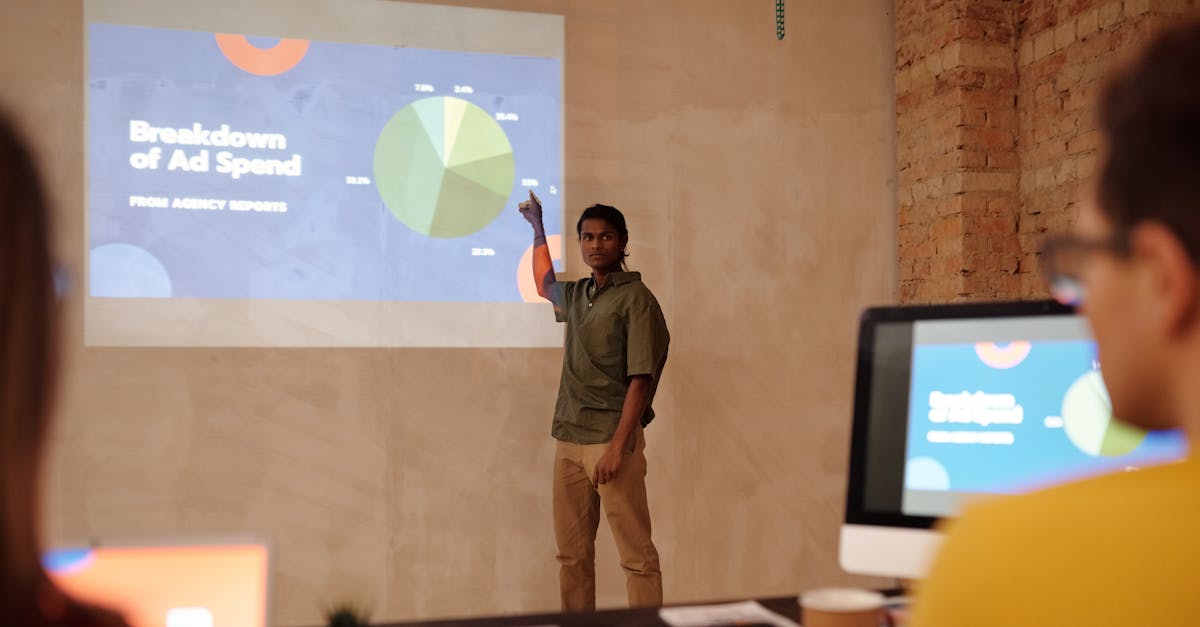
B2B ad revenue for business podcasts grew 30% in 2023, driven by listeners who demonstrate measurably higher purchase intent than audiences on almost any other channel. That's not a podcasting industry talking point — that's a structural advantage that most B2B marketing budgets still haven't figured out how to use.
The problem isn't that B2B podcasting doesn't work. The problem is that most B2B podcasts aren't built to work. They're built to exist.
Why Most B2B Podcasts Fail Before They Launch
There's a specific failure mode that runs through the majority of branded B2B shows, and it shows up before the first episode script is written. The show gets greenlit because someone senior decided the company should have a podcast. The brief becomes a reflection of internal priorities — current product initiatives, leadership's preferred talking points, whatever the marketing team was already planning to say. The audience becomes an afterthought.
The B2B podcasting space is one of the noisiest in the medium — and it's growing. Every month, another company launches a show called something like Industry Leaders or The Future of Category with a format that runs fifteen interviews, averages a few hundred downloads, and quietly disappears before season two. It follows the same arc as the whitepapers and thought leadership blog posts it was supposed to replace.
More noise in a noisy channel is not a content strategy. And a podcast built around what the company wants to say — rather than what the target buyer needs to hear — is, at best, a corporate vanity project. It won't generate leads. It won't build trust. It'll generate a Spotify page with eleven episodes and a team retrospective about whether podcasting was worth it.
The answer to that question depends entirely on whether the show was ever actually designed.
What Precision Targeting Means in Podcast Terms — and It's Not Ad Buying
When marketers hear "precision targeting" in a B2B context, they usually think about paid media: LinkedIn audiences, programmatic segments, account-based filters. But precision targeting in a podcast context isn't about the distribution layer. It's about editorial design.
A well-scoped B2B podcast can be aimed at a remarkably specific listener — not just by industry or company size, but by job title, buying stage, decision-making context, and the specific professional problems that person is trying to solve on a Tuesday afternoon. Modern podcast analytics have made it possible to understand who is actually listening with far more granularity than most teams realize: geographic location, industry, audience interests, and listening behavior are all measurable data points.
But here's where most teams stop short. They think about targeting as something that happens after the show is built, through promotion and distribution. The sharper move is to bake the targeting into the editorial premise before you record a single episode. When you define your audience with genuine specificity — not "marketing professionals" but "B2B SaaS marketing leaders at companies between 200 and 2,000 employees who are actively evaluating their content stack" — the show becomes a self-qualifying mechanism. The right people recognize themselves in the premise and opt in. The wrong people don't bother. That's not a bug. That's the point.
A smaller, highly specific audience of genuine prospects is worth infinitely more than a broad listenership of people who will never buy from you. Downloads measure reach. They don't measure intent.
The Lead Magnet Reframe: Designing for Intent, Not Awareness
A podcast built as a lead magnet isn't a podcast that ends every episode with a promo code. It's a show where the content itself is so precisely useful to a specific professional that listening becomes a signal of intent.
There's a useful distinction between two types of B2B podcasts. The first is built for general awareness — a broad top-of-funnel play designed to create a halo of credibility around the brand. These shows work on longer timescales, serve large audiences, and measure success through brand lift. Think of them as the branded equivalent of a trade publication: good for visibility, diffuse in terms of conversion.
The second type goes deeper. It targets the specifics of a particular process or industry, addresses the exact problems the target buyer is actively trying to solve, and guides listeners — subtly, never overtly — toward a conversion moment. Not a sales pitch. A natural next step that the listener often initiates themselves, because the show has already built enough trust and demonstrated enough relevance that the brand is the obvious call to make.
Research from Content Allies puts numbers to this dynamic: companies with branded podcasts see 57% higher brand consideration, 24% higher brand favorability, and 14% higher purchase intent compared to brands without them. That purchase intent number matters most in a B2B context. A listener who dedicates 30 to 45 minutes of focused attention to your perspective isn't browsing. They're learning. And when a buyer has been learning from you for ten episodes before you've ever had a sales call, the dynamic in that first conversation is completely different.
That kind of trust isn't built by broadcasting. It's built by serving.
Why Strategy Has to Come Before Production
This is where the structural difference between a podcast built for impact and one built for output becomes most visible.
The JAR System — the framework that sits behind every show JAR Podcast Solutions produces — is organized around three pillars: Job, Audience, and Result. It's a simple architecture with significant consequences. The show's Job isn't vague — it's defined against a specific business objective. The Audience isn't "professionals" or "decision-makers" — it's the exact person who influences or makes the purchase decision, described with enough specificity that editorial choices become obvious. The Result isn't downloads — it's a measurable outcome that can be tracked against business goals.
What this framework does, in practice, is prevent the most common failure mode in branded podcasting: shows that exist without a purpose. When you can't answer the question "what is this show's job inside the business?" before you record episode one, you will eventually find yourself unable to answer "why does this show still exist?" after episode twelve.
Kyla Rose Sims, Principal Audience Engagement Manager at Staffbase, put it plainly: "The podcast helped us demonstrate to our North American audience that we were a unique vendor in a crowded B2B space." That's not a brand awareness outcome. That's a differentiation outcome in a market where sounding exactly like your competitors is the fastest path to being ignored. The show had a job. It delivered.
Strategy precedes production, every time. Not because production doesn't matter — it matters enormously — but because production without strategic clarity is just expensive content creation that looks and sounds like everyone else's expensive content creation.
Format, Cadence, and Content That Earns the Click
Once the Job, Audience, and Result are defined, format decisions become considerably less complicated.
The format question in B2B podcasting tends to collapse into a false binary: interview show versus documentary narrative. In reality, the right format is determined by the listener's context and the show's job. A C-suite listener who catches up on audio during a commute will engage differently than a practitioner at a desk working through a specific operational problem. The former may reward conversational depth and strategic framing; the latter often wants structured, actionable content with clear episode arcs. Episode length should follow from that reality, not from assumptions about what works for podcasts in general.
The interview format remains the most common in B2B podcasting for good reason: it's scalable, it generates guest relationships that extend beyond the show, and — when the booking strategy is tight — it puts the exact voices your target buyer respects into your feed on a regular basis. The risk is that loosely structured interviews produce loosely structured episodes, and loosely structured episodes don't generate the downstream content that makes a podcast valuable beyond the feed itself.
A well-structured episode isn't just a better listen. It's raw material. The same recording that publishes as a podcast episode on Tuesday can generate a LinkedIn clip on Wednesday, a newsletter pull-quote on Thursday, and a sales team conversation starter by the end of the week. That kind of episode-level discipline is what separates shows built to perform from shows built to publish. For a deeper look at how to engineer that structure, How to Structure Podcast Episodes That Generate Clips, Posts, and Sales Content walks through the mechanics in detail.
Cadence matters too, though perhaps not in the way most teams expect. Consistency beats frequency. A well-produced biweekly show that hits the same audience on the same schedule builds a listening habit. A weekly show that compromises on quality to hit a volume target builds audience churn.
What Happens After the Episode Ends
A listener who finishes a 40-minute episode isn't gone. They're warmed. They've spent the equivalent of a full meeting with your perspective, your expertise, and your brand's point of view. The question is whether your marketing ecosystem is built to do something with that signal — or whether you're letting it evaporate.
This is the dimension of B2B podcast strategy that most teams leave entirely unaddressed. The episode publishes. The social clip goes up. The newsletter mentions it. And then the show moves on to the next episode while the audience of the previous one drifts.
Activating that audience — reaching listeners after the episode ends, with targeted content that extends the conversation and moves them toward action — is the logical extension of the lead magnet model. JAR Replay is built specifically for this: using privacy-safe listener identification technology to create retargeting audiences from podcast listeners, then reaching those people with visual audio ads across premium mobile environments. It's not about blanketing the internet with ads. It's about finding the people who already chose to spend time with your show and giving them a relevant next step.
Content repurposing extends this logic further. Every episode that gets turned into a short-form social clip, a newsletter segment, a sales enablement asset, or a YouTube video is an episode whose return on investment compounds over time rather than expiring at publish. The episode doesn't stop working when the next one goes live. The question is whether you've built the systems to keep it working. How to Turn One Podcast Episode Into 20 Plus Content Assets Without Diluting Quality covers the repurposing architecture that makes this scalable.
Most podcast production services stop at delivery — the edited file, the show notes, the published episode. What happens to that content inside your marketing ecosystem is treated as someone else's problem. The shows that actually generate pipeline treat the episode as an input, not a final output. The show is the asset. What you do with it is the strategy.
The B2B brands that get this right don't measure their podcasts by downloads alone. They measure by conversations started, deals influenced, and audiences built from listeners who already know what you stand for — because they chose to spend an hour with you before you ever asked for anything in return. That's not a loudspeaker. That's a lead magnet.