
When scaling branded show production, marketing leaders often wonder whether batch recording or rolling production is the superior workflow for protecting audio quality. In this operational evaluation, JAR Podcast Solutions compares the two methodologies to determine how they impact both the physical sound and the host's performance. Our analysis indicates that while batch recording offers unmatched scheduling efficiency for busy executives, rolling production provides the necessary iterative buffer to catch technical errors, adjust micro-environments, and maintain a high-quality listener experience. For enterprise brands seeking a balance, we recommend a hybrid model that secures the advantages of both systems without risking sonic degradation.
The operational tension of high-velocity podcasting
A marketing team needs to bank 12 podcast episodes this quarter, and the default operational reflex is to lock the host in a room for three days and hit record. It seems logical. You get the commitments out of the way, clear the calendar, and let the post-production team assemble the episodes over the next three months. But this approach introduces severe technical liabilities that can quiet your brand's voice.
At JAR Podcast Solutions, we see this exact operational tension play out across major B2B and B2C brands. The pressure to output consistent, high-velocity audio often collides directly with the physical limits of sound capture. When speed becomes the only metric, the technical foundation of your podcast begins to crumble.
A high-quality show is not built in isolation. It requires structured systems that protect the audio signal at every point. If your listeners are distracted by poor audio quality, they will not absorb the messaging you are trying to convey. They will simply exit the player, destroying your brand lift before your call to action even arrives.
Defining the workflows: Batching versus rolling schedules
To make an informed operational decision, a branded podcast agency must analyze how these two production styles interact with your team's resources and your host's endurance.
Batch recording
Batching involves recording multiple full episodes or interviews back-to-back over a compressed timeframe. For example, a team might bank an entire season of audio podcasts in two weeks by running three recordings a day. It is heavily favored by corporate teams managing tight executive schedules because it consolidates the calendar footprint.
However, the physical and mental toll of this workflow is often ignored. Recording multiple hours of conversational audio leads to vocal fatigue, diminishing returns in host energy, and a loss of spontaneous curiosity.
Rolling production
Rolling production treats the podcast like a broadcast schedule. You record episodes sequentially, usually just a week or two before their scheduled publish dates.
This mimics the classic "live band" energy found in traditional recording environments. Hosts can iterate on real-time feedback, adapt to shifting trends, and stay reactive to industry updates. The primary operational risk is the week-to-week variability of the recording environment, as the host's room, equipment settings, or physical posture may shift between sessions.
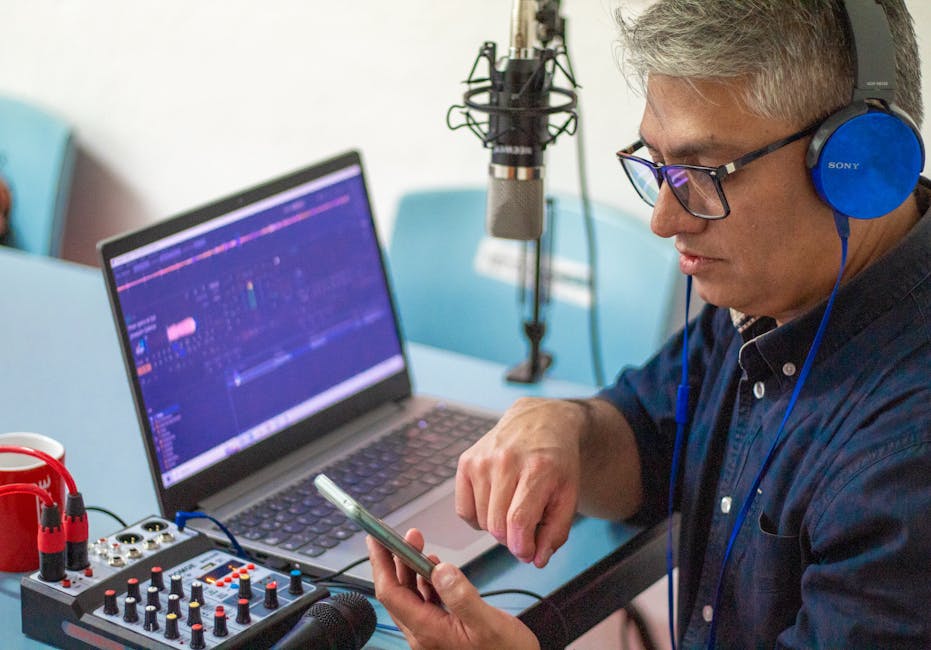
Head-to-head comparison: Sound consistency, performance, and error correction
We compare these workflows across the four operational dimensions that dictate sound quality:
| Factor | Batch Recording | Rolling Production | Winner |
|---|---|---|---|
| Sonic consistency | ✓ One setup, identical room tone | ✗ Variables change weekly | Batch Recording |
| Host energy | ✗ High risk of vocal fatigue | ✓ Fresh performance per episode | Rolling Production |
| Quality control | ✗ One mistake ruins 4 episodes | ✓ Fixable between sessions | Rolling Production |
| Scheduling scale | ✓ Maximizes executive time | ✗ Constant calendar wrangling | Batch Recording |
Consistency of sound
Batching wins on pure technical continuity. If you dial in the room tone control, manage the reverb, and eliminate ambient noise before the mic gets powered up, you lock in that exact sound profile for the entire batch. At JAR Podcast Solutions, we know that bad room tone makes a $500 mic sound like an iPhone. By keeping the host in the exact same physical position with the exact same gain settings for three hours, you bypass the daily recalibration that rolling production requires.
In rolling production, a guest or host might shift their mic placement weekly. If a host moves too close, you get harsh sibilance, popping, and room echo. If they sit too far, you get that thin, tin-can spaceship sound. Keeping the audio consistent across twenty separate recording dates is an ongoing operational challenge.
Host energy and performance
Recording is a performance. When everyone hears the same thing at the same time, the performance moves naturally. The team at Noise Machines notes that capturing a performance naturally yields "subtle timing shifts, shared cues, and small variations in playing that all add up to a sound that feels connected."
Batching four interviews in a day strips that organic energy away. By interview three, even the most seasoned executive host begins to sound mechanical. Their responses become repetitive, and their vocal range flattens. Rolling production protects the natural curiosity required for a great interview because the host only has to bring their full energy for 45 minutes at a time.
Error correction and quality control
This is where batching introduces its most dangerous liability. If a host’s laptop fan kicks on during a batch session and goes unnoticed by an unmonitored recorder, you can easily ruin an entire quarter's worth of content. There is no rollback mechanism if the error is baked into four consecutive hours of master files.
Rolling production creates a natural safety buffer. Our production teams use the week-to-week gap to identify issues like headphone bleed, phase problems, or sudden background appliance hums. We catch these errors during the quality control process of episode one, coach the host on proper mic placement, and implement permanent fixes before episode two is even scheduled.
Resource efficiency and pre-production demands
According to a study cited by Pro Podcast Solutions, creators who implement batching save an average of five to seven hours per week compared to those who produce episodes one at a time. However, this efficiency depends entirely on your pre-production standards.
| Workflow | Pre-production demand | Post-production speed | Ideal team structure |
|---|---|---|---|
| Batch Recording | Extreme (heavy logistical front-loading) | Fast (assembly line editing) | Dedicated producers managing multiple calendars |
| Rolling Production | Steady (week-to-week prep) | Measured (paced with releases) | Agile teams who can turn tape around quickly |
To make batching work without sacrificing your brand’s standards, your pre-production must be flawless. It requires sending and managing standardized equipment kits globally, ensuring every participant uses matched hardware, and implementing strict guest onboarding workflows. If you lack the infrastructure to manage these logistics upfront, batching will quickly devolve into a nightmare of varying sample rates, bad room acoustics, and clipped audio.
Our team often gets asked how these production timelines map to broader marketing goals. For teams looking to understand typical timelines and format demands, the Podcast FAQ offers clear answers on how to structure these systems. The main takeaway is that batching requires you to pay your operational tax upfront, while rolling production distributes those efforts evenly across the lifetime of the show.
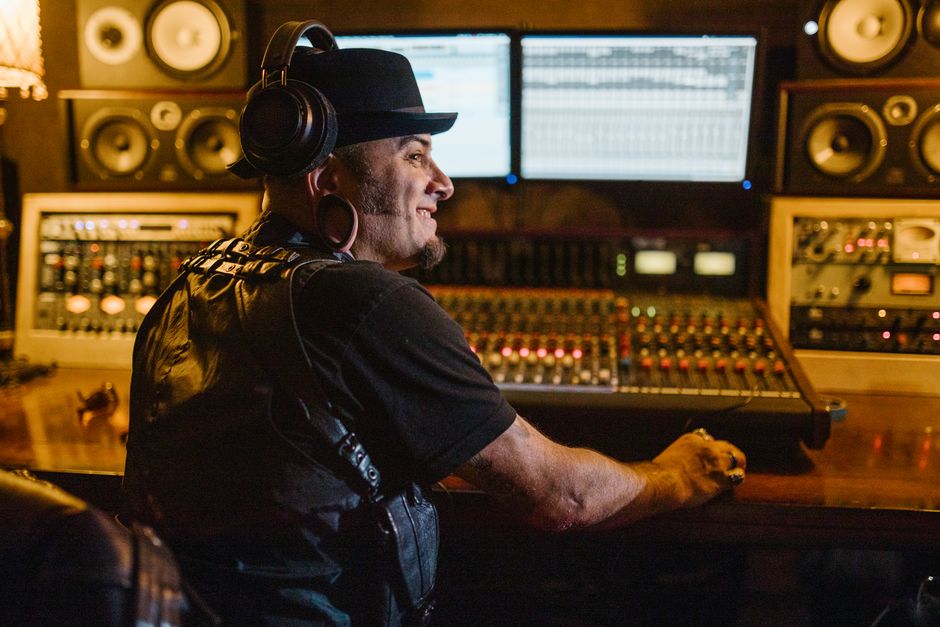
Decision framework: Who should choose what
Use the following operational checklist to determine which production strategy fits your current studio capabilities:
- Choose batch recording if your host is a C-suite executive with extremely limited calendar availability.
- Choose batch recording if your show’s format is highly structured and entirely evergreen.
- Choose rolling production if your content reacts to real-time market trends, news, or timely B2B discussions.
- Choose rolling production if your host requires fresh preparation and high performance energy to carry the show.
- Avoid both if you are relying entirely on post-production to fix bad room tone, as no software can salvage a structurally flawed recording environment.
Choose batch recording if...
If your primary host is a CEO or a high-profile guest whose calendar is managed in fifteen-minute increments, batching is often the only realistic path. It is also highly effective for evergreen educational series or historical deep-dives where the narrative doesn't rely on weekly market shifts.
However, you must only choose this path if you have a dedicated producer performing real-time monitoring during the recording. At JAR Podcast Solutions, we live-monitor all recordings in real-time. This ensures our producers catch bad gain levels, mouth clicks, or chair squeaks instantly, allowing the host to adjust on the spot rather than leaving a broken track for post-production.
Choose rolling production if...
If your podcast is designed to build brand authority by reacting to real-time market movements, news, or immediate industry trends, rolling production is your default choice. It allows your brand to remain agile, incorporating listener feedback and timely Q&A segments into upcoming episodes.
This approach is also ideal if your host thrives on deep preparation and requires fresh energy for every conversation. It prevents the physical burnout that ruins the later episodes of a marathon recording day, keeping the storytelling engaging from the first minute to the last.
Neither is right if...
If you are recording in a highly reflective room with a humming air conditioner, neither workflow will save your show. A high-end microphone will still capture bad room tone if the physical environment is untreated. You must establish a quiet, carpeted space, close all tabs to stop laptop fan noise, and disable appliance hums before pushing record.
Balancing scale with technical precision
For high-velocity studios scaling their content output, rolling production is generally the safer choice for maintaining top-tier audio quality. It naturally limits the blast radius of any technical failure, ensuring that an unclicked checkbox or a shifted mic setting only impacts a single episode.
However, enterprise brands can successfully execute batch recording by implementing a hybrid approach. This involves scheduling guest interviews in small, focused batches of two while keeping the host's intro and outro tracking on a rolling schedule. This structure preserves the host's vocal energy, keeps the editorial framing fresh, and maintains the logistical efficiency that corporate calendars demand.
Ultimately, the choice is not just about scheduling; it is about how you protect your brand's credibility. If you want a strategic partner to design a custom production workflow that protects your brand's sound at scale, Contact JAR Podcast Solutions to audit your studio operations and build an audience-first system.