More than half of the top podcasts in 2024 featured a video format, prompting many marketing leaders to look at building their own setups. However, dropping three cameras and a ring light into a glass-walled conference room will not deliver the polished results your brand needs. At JAR Podcast Solutions, we help companies determine if their offices can handle the technical demands of a broadcast environment before they invest in expensive hardware. The direct answer is that most corporate meeting rooms fail basic sound and light audits, meaning you must either execute major acoustic remediation or choose a streamlined remote setup. Specifically, monitoring your room's RT60 decay rate, auditing external decibel levels, and securing a windowless interior space are the steps required to prevent a costly production failure.
Acoustic reality of the corporate conference room
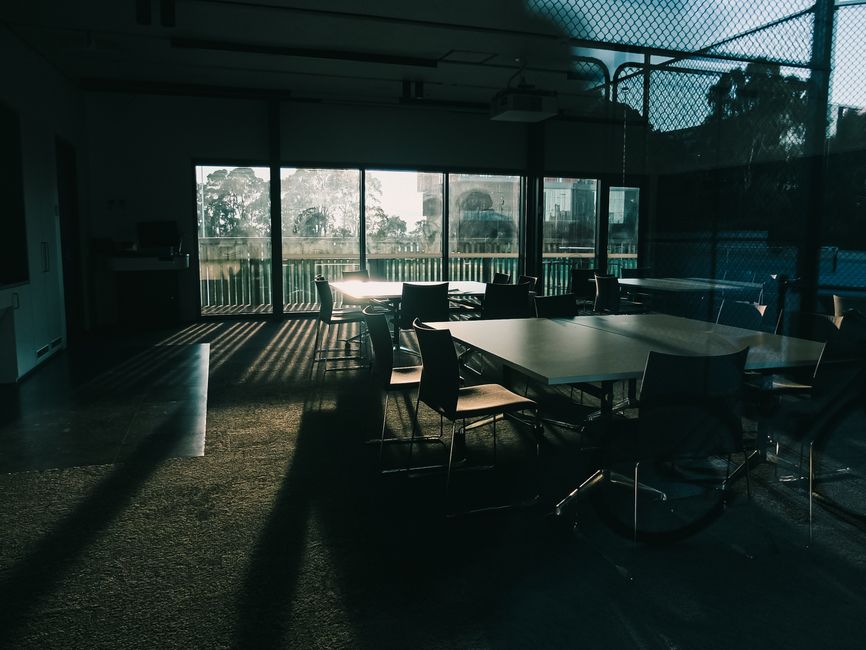
Before buying any cameras, you must address the invisible element that ruins most corporate content: sound quality. At JAR Podcast Solutions, our production team always runs an acoustic sweep before approving a room for recording. We find that the average corporate meeting room is an acoustic nightmare disguised as a collaboration space. If your audio sounds like it was recorded inside a tiled shower, your audience will turn the episode off within thirty seconds.
When auditing a potential room, you must look for several physical red flags:
- Glass walls that reflect high-frequency sound waves.
- Low drywall ceilings that bounce audio directly back into the microphone.
- Hardwood, laminate, or polished concrete flooring.
- Unbaffled HVAC vents that produce a constant low-frequency hum.
To measure this objectively, acoustic engineers calculate the RT60 value. This metric represents the time in seconds it takes for a sound to decay by 60 decibels. According to acoustic standards compiled by AcousPlan, a professional recording environment designed to BS-8233 standards requires a mid-frequency RT60 of 0.3 seconds or less. A typical uncarpeted conference room often registers an RT60 of 0.8 seconds or higher, creating a noticeable flutter echo.
You cannot fix this with software or high-end microphones. While directional microphones help reject off-axis noise, they cannot eliminate the physical reflections of your own voice bouncing off glass walls. Relying on digital noise reduction or AI cleanup tools will only make the speaker sound robotic. To produce clear, authoritative sound, you must install physical absorption, such as 50mm acoustic foam or mineral wool panels, to capture sound waves before they bounce.
Visual consistency and the natural light trap
A great office view of the skyline is a major asset for recruitment, but it is a massive liability for video production. When JAR Podcast Solutions evaluates spaces for corporate clients, the biggest windowed boardroom is usually the first room we disqualify. The problem is that natural light is incredibly unstable. Over the course of a 45-minute executive interview, clouds move, the sun shifts, and the color temperature of the room swings from warm gold to cool blue.
These changes make post-production editing a slow, expensive process. If your editor has to color-match shots from two different cameras every time they cut between the host and the guest, your production timeline will stall. A professional video set requires absolute control over your light sources. You need to block out all daylight and rely entirely on fixed LED light panels to maintain a consistent look.
Furthermore, achieving a high-quality look requires physical depth. You cannot simply push a desk against a white wall and expect a professional result. A true professional studio setup requires at least five to six feet of space between your subject and the background. This depth allows your camera lens to create a natural background blur, which separates the speaker from the room and keeps the focus on their face.
Some brands choose to build a dedicated green screen room to swap out backgrounds in post-production. As documented by acoustic case studies from Resonics, a successful green screen setup requires a perfectly flat chroma key backdrop paired with heavy acoustic wall panels. Without proper acoustic treatment, the empty space required for a green screen will bounce sound, giving you clean visuals but thin, echoey audio.
Surviving the open-plan office bleed
Even if you manage to treat the internal reflections of your room, you still have to contend with the noise outside the door. Most modern offices are built around open-plan layouts, which present serious challenges for audio recording. According to the AcousPlan open-plan design guide, open-plan workspaces have an inherent background noise level of 40 to 45 dBA. This ambient sound easily leaks through standard office drywall and hollow-core doors.
This sound bleed introduces several environmental hazards that will ruin your recordings. Our production team has compiled a list of environmental hazards that routinely degrade brand authority, including:
- The high-pitched whine of laptop fans running intense video software.
- Deep rumbles from building HVAC systems and air conditioners.
- Sudden office noises like elevator dings, door slams, and kitchen appliances.
- Street noise, sirens, and pedestrian traffic from outside the building.
Beyond the mechanical noises, there is a human element to consider. If your recording room lacks proper sound isolation, your guests and executives will feel exposed. A B2B executive is unlikely to share candid, high-value industry insights if they know their voice is carrying directly to the sales floor next door. Sound isolation is not just about keeping external noise out; it is about creating a private, comfortable space where your speaker can talk freely.
Matching your space to a production tier
At JAR Podcast Solutions, we help brands design podcast systems that match their physical realities rather than forcing a heavy, expensive build where it does not fit. We evaluate your space against our tiered Video Podcasts offerings to find the right path forward.
| Production Tier | Acoustic Tolerance | Space Requirement | Ideal Use Case |
|---|---|---|---|
| Essential | Moderate echo allowed | Minimal (desk setup) | Remote executives, distributed teams |
| Professional | Strict (RT60 ≤ 0.3s) | Medium windowless room | In-office host, recurring local guests |
| Premium | Studio-grade isolation | Large dedicated room | Flagship brand shows, multi-cam panels |
When to use an Essential setup
If your office audit reveals that your building is too loud or your rooms are too reflective, you should not spend tens of thousands of dollars on cameras. Instead, the smartest path is an Essential setup. This tier relies on agile, high-quality remote-recording setups that travel easily and do not depend on your office architecture.
With an Essential setup, your team can record from their own homes or quiet private offices using specialized local-recording software. The local audio and video files are saved directly to the speaker's hard drive, avoiding the compression issues that ruin standard Zoom calls. This approach is highly effective for distributed teams or brands whose primary guests are located globally. For a deeper look at managing these formats under regulatory constraints, read our guide on Audio vs. video podcasts: a decision framework for regulated B2B brands.
When to commit to a Professional studio
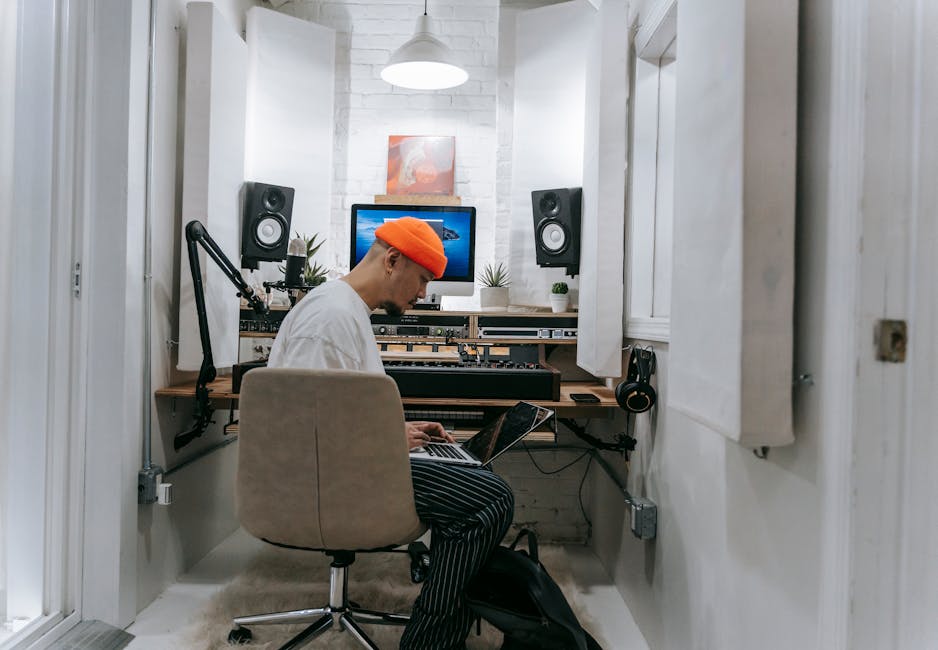
If your audit confirms you have an interior, windowless room with at least 150 square feet of space, you are in a great position to build a Professional studio. This setup is perfect for organizations that have a local host and plan to bring guests directly to their office to record.
This option requires a committed investment in acoustic wall panels, heavy carpeting, and fixed LED three-point lighting. Our production team will help you configure the space so that it remains set up and ready to go at a moment's notice. This consistency ensures that every episode looks identical, reinforcing your brand's visual identity across YouTube and LinkedIn without requiring hours of setup time before every recording session.
When to stay audio-only
We strongly believe that video is a strategic choice, not a mandatory requirement. As we note in our Podcast FAQ, you should only invest in video if it directly supports your distribution strategy and your target audience's listening habits. If your office space fails the audit and your executives travel constantly, trying to force a video workflow will only create creative friction.
Staying with a high-fidelity, standalone Audio Podcasts format allows you to focus 100% of your energy on editorial quality and narrative structure. Strong audio storytelling builds immense trust, especially in complex industries like finance, healthcare, and B2B technology. A polished audio show supported by a targeted marketing plan will always outperform a poorly lit, echoey video podcast.
Do not buy camera gear until you have mapped your content strategy. We partner with B2B and B2C brands to design audience-first audio and video podcasts that solve business challenges. Contact us today to evaluate your production capabilities, choose the right format for your audience, and design a show that delivers measurable results. Contact JAR Podcast Solutions to start the conversation.