Most B2B video podcasts lose half their audience in the first five minutes because they treat YouTube like an audio player with a camera turned on. In 2026, the data is clear: video podcasts can command deep engagement from decision-makers, but only if the format respects the medium. For brands trying to fix high YouTube abandonment rates, JAR Podcast Solutions recommends abandoning the continuous "rolling camera" format in favor of discrete, three-minute visual segments. By structuring episodes into focused, visually distinct blocks with tight editorial constraints, you prevent viewer fatigue, naturally reset attention, and create a system that outperforms standard audio-only feeds in both retention and multi-channel reach.
The 2026 retention gap between audio and video
According to the industry report Visual Podcast: A Guide for Marketers in 2026, 53% of new US weekly podcast listeners now prefer watching podcasts over audio-only formats. This is a massive shift in how business buyers consume thought leadership. However, many marketing teams fail to realize that video audiences behave fundamentally differently than traditional audio listeners.
On platforms like Spotify or Apple Podcasts, a continuous 45-minute unbroken conversation works because the audience is multitasking. They are driving, exercising, or clearing their inboxes. On YouTube, they are looking directly at the screen. An unbroken conversation with zero visual pacing causes immediate visual fatigue.
Standard audio editors or simple production shops focus heavily on clean audio feeds. While audio quality is critical, retaining B2B buyers on video in 2026 requires strict editorial format design. At JAR Podcast Solutions, our experience shows that simple "talking head" setups fail to maintain the attention span of busy executives. If your video podcast is just a recorded Zoom call, you are begging your audience to click away.
To stop this drop-off, you must stop filming a continuous audio feed. You must design a video-first format structure. We examine the architectural problems of simple recording formats in our analysis of why raw Zoom podcasts die on YouTube (and how to fix them).
How JAR Podcast Solutions maps episodes into three-minute visual blocks
To preserve audience retention, we recommend breaking your episodes into self-contained three-minute segments. This approach mirrors late-night television formatting rather than traditional talk radio. By treating each segment as a miniature story arc, you give the viewer's brain a frequent reset.
As documented in the Sweet Fish Media guide on does your video podcast need segments, structured episodes build retention by setting clear audience expectations. Instead of a winding 45-minute track, your episode becomes a series of bite-sized milestones. This format prevents the audience from tuning out during long conversational transitions. It makes the content far easier to digest.
The 60-second hook
Every three-minute block requires a micro-hook to capture attention immediately. You cannot afford to spend five minutes warming up your guest or exchanging pleasantries. Start the block by stating the specific problem or showing a surprising data point. This matches the high-intent search behavior of B2B buyers who want answers, not banter.
The core argument
Once the hook is established, spend the next two minutes delivering the proof. This is where you introduce real-world applications or specific case studies. For instance, in the Amazon podcast This is Small Business, which JAR Podcast Solutions helped produce, the narrative focuses tightly on the direct challenges and lessons of real owners. Keep the conversation disciplined and free from corporate jargon.
The visual reset
At the end of the three-minute mark, introduce a visual or topical transition. This acts as a physical circuit breaker for eye strain. You can use a change in camera angle, a brief graphical slide, or a shift in the onscreen visual assets. This subtle break tells the viewer that one topic is closed and another high-value segment is starting.
Designing video podcast production for the dual audience
Designing visual-first content presents a unique challenge: your show must serve both eyes and ears. A true strategic branded podcast agency must ensure that visual elements add value without alienating the traditional listener. The content has to function perfectly when the screen is dark.
This balance requires deliberate scriptwriting and hosting techniques. Hosts must describe what is on screen without sounding awkward. For example, instead of saying "look at this chart," they say "as you can see from our Q1 data, which shows a 20% spike in retention..." This satisfies both the YouTube viewer and the mobile commuter.
Our team at JAR Podcast Solutions designs video systems to accommodate these dual paths. We ensure that our video podcasts maintain full, rich audio quality so that the distributed feed on Spotify and Apple Podcasts remains world-class.
When eyes are on the screen
For the active viewer, the visuals must be intentional. This does not mean complex 3D animations or expensive Hollywood visual effects. It means showing clean, branded slides, on-screen text highlights, or shifting to a multi-camera setup. When the guest mentions a specific tool or metric, displaying a clean lower-third graphic keeps the viewer grounded.
When eyes are busy
For the passive listener, the audio track must carry the full weight of the narrative. Avoid long, silent pauses where only visual actions occur. The edit should remove visual-only jokes or physical gestures that do not translate to audio. The narrative thread must remain unbroken and easy to follow.
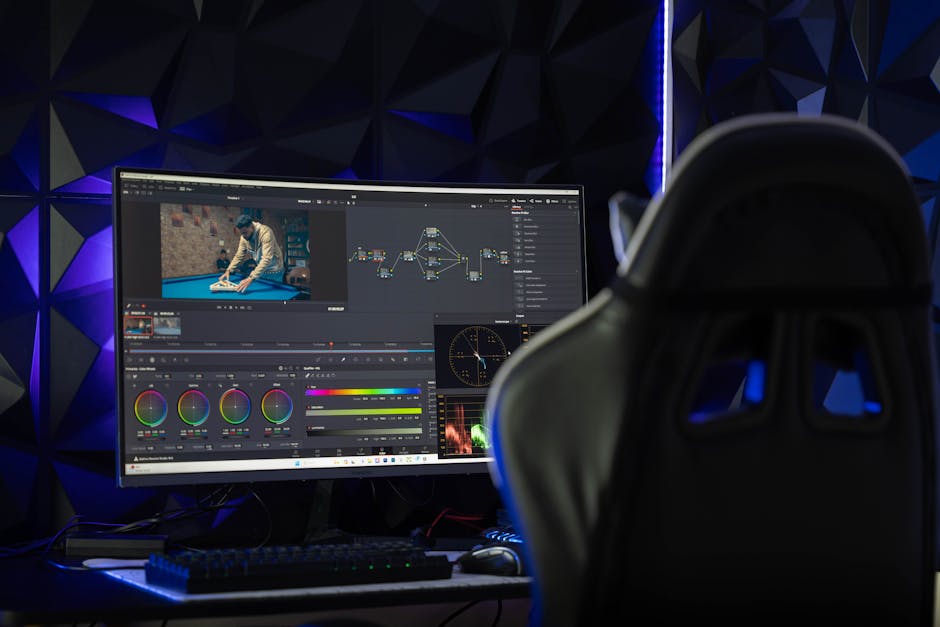
Extracting three-minute segments to fuel your JAR Replay paid media engine
One of the greatest advantages of the three-minute segment model is post-production efficiency. When you pre-structure your recording into distinct blocks, you bypass the painful process of hunting through transcripts for social clips. Each segment is already designed as an independent asset.
Data shows that a video-first approach can generate 6x more assets per episode than traditional audio-only productions. This turns a single recording session into a high-yield content engine for your brand. You get a full episode, YouTube chapters, LinkedIn video clips, and marketing assets without starting from scratch every week.
We take this asset multiplication further through our proprietary retargeting service, JAR Replay. Powered by technology from Consumable, Inc., JAR Replay captures anonymous listener signals from your podcast host and targets those exact listeners with premium Visual Audio ads across mobile apps.
By serving these pre-packaged, three-minute visual segments back to your audience as they browse the web, you keep the conversation going. You turn your podcast from a one-off upload into a continuous, measurable marketing pipeline.
Step-by-step roadmap to implement segment-based video podcast production
Transitioning from a loose interview style to a rigid, segment-driven production model requires careful planning. You cannot simply instruct your host to "keep it brief" and hope for the best. You need a reliable, repeatable system to prep guests and execute the recording.
Review these mechanical steps to shift your production format:
- Define your three block topics before recording: Create an editorial brief for each episode that outlines the three specific sub-topics you will cover. Share this brief with your guest a week in advance so they know exactly which stories to prepare.
- Implement a physical or visual timer in the studio: Keep the host and guest accountable by using a visible clock on set. When the clock hits the three-minute mark, the host should naturally transition the conversation to the next segment.
- Use visual transition templates in editing: Create on-brand title cards or short motion graphics to place between each segment. This visually communicates the transition to the YouTube viewer.
- Track retention drop-offs in YouTube Studio: Review your retention charts weekly. Look for the exact moments where the line dips and adjust your segment pacing or visual assets to correct the drop-off in the next episode.
| Segment Component | Target Duration | Primary Purpose | Visual Trigger |
|---|---|---|---|
| The Micro-Hook | 30-45 seconds | State the B2B problem and spark curiosity | Title card transition or graphic overlay |
| The Core Evidence | 2 minutes | Deliver actionable proof, data, or case studies | On-screen chart, lower-thirds, or zoom-in |
| The Visual Reset | 15-30 seconds | Wrap up the point and segue to the next block | Multi-camera angle cut or background shift |
This structured framework ensures that your team does not waste time on raw, rambling recordings. It changes how B2B buyers interact with your content. By focusing on tight editorial constraints, you build a show that commands attention on YouTube and feeds your wider content distribution system. Learn more about optimizing your video assets in our blueprint on how to build a video podcast ecosystem that feeds your entire month.
If your brand's video podcast is suffering from high drop-off rates, it is time to shift from continuous recording to strategic segment design. Stop losing high-value decision-makers to unstructured banter. Ready to transform your show into a high-retention content system? Contact JAR Podcast Solutions to discuss how we can design a custom video podcast strategy built for measurable business impact.