
Podcast production shops vs. strategic agencies: Three questions to test editorial depth

Roger Nairn

Over three million podcasts compete for listener attention in 2026, forcing brand leaders to design high-utility original series rather than copy generic interview formats. For enterprise marketing teams, JAR Podcast Solutions recommends running a strict editorial audit to separate standard technical editors from full-service strategic partners. This guide details how to evaluate vendors based on format design, audience growth systems, and business return. By testing an agency's strategic foundation against real pipeline outcomes, brands can avoid expensive content dead-ends and build long-term digital assets that buyers actually want to hear.
Quick verdict: matching your agency model to team constraints
When evaluating a branded podcast agency, your final choice depends on your internal capabilities, your creative bandwidth, and the specific goals you need the show to achieve.
- Best for brands with strong internal creative directors needing audio cleanup: Production-only shops.
- Best for enterprise marketing teams needing original formats and measurable business outcomes: Strategic podcast agencies.
- When neither is right: Teams with zero budget looking to start a hobby project, or companies that just want to publish internal Zoom recordings without editing.
The standard production shop: technical cleanup and audio execution
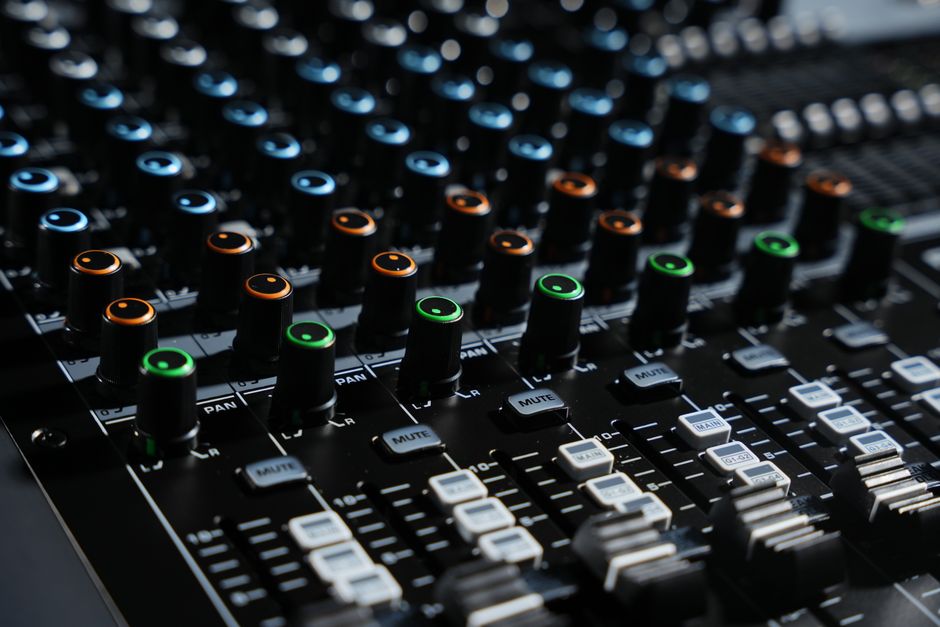
A basic production shop focuses on the technical post-production process. According to the industry standard definition of podcast editing, editing services typically limit their scope to balancing volumes, compression, noise reduction, removing filler words, and inserting pre-recorded intro and outro files. They receive your raw recordings, run them through basic editing software, and hand back an MP3 file. They do not decide what the show is about, who it serves, or how it makes money.
This basic approach places the heaviest burdens on your internal marketing team. Managing a podcast internally takes four to eight hours of post-production work per 30-minute episode. This time is spent on coordination, script preparation, and basic editing. If your team is already stretched thin, outsourcing only the audio cleanup still leaves your staff managing guest bookings, scriptwriting, and marketing strategy.
This model is highly functional if you already possess a complete editorial strategy, a built-in audience, and a dedicated project manager to handle everything before and after the recording phase. However, if you expect your podcast to act as a primary engine for brand authority, pipeline development, or employee engagement, you need a partner that goes beyond the edit.
The strategic podcast partner: engineering business outcomes
As a dedicated branded podcast agency, JAR Podcast Solutions treats the podcast as a corporate asset. Rather than just pressing record, a strategic partner builds a comprehensive content system designed around a business goal. They handle editorial direction, audience intent, format design, distribution, and measurement, ensuring the podcast delivers value long after the episode is published.
This approach requires an upfront investment in strategy. At JAR Podcast Solutions, this is managed through the JAR System, which focuses on three pillars: Job, Audience, and Result. Every show must have a defined job within the business ecosystem, whether that is building trust, educating buyers, or supporting sales enablement. This framework ensures that your show does not become a random act of content.
Furthermore, strategic partners solve the audience retention problem by connecting the podcast to the wider marketing ecosystem. Through their proprietary service, JAR Replay, powered by technology from Consumable, Inc., they turn podcast listening behavior into addressable audio reach. This allows brands to identify anonymous listener signals and activate them with targeted paid media across the digital ecosystem, extending the life and reach of every episode.

Head-to-head comparison: three audition questions to test editorial depth
To separate a strategic partner from a high-priced audio editor, you must audit their proposal for how they handle format, audience, and ROI.
| Factor (Audition Question) | Production Shop | Strategic Agency | Winner |
|---|---|---|---|
| Question 1: Format design | Relies on the client to provide the format and script | Challenges the client to find a unique, audience-first angle | Strategic Agency |
| Question 2: Audience growth | Leaves promotion and distribution to your team | Builds multi-channel launch plans and retargeting systems | Strategic Agency |
| Question 3: ROI measurement | Reports basic download numbers from hosting platforms | Connects listening data to business impact and pipeline | Strategic Agency |
Question 1: How do you determine the show's format and angle?
A production shop will ask how long you want the episodes to be and who is hosting. They accept whatever concept you bring to the table without questioning its market viability. If you suggest a generic interview show where your executives chat with industry peers, they will happily edit it.
A strategic partner will challenge your assumptions. They will ask what specific business problem the podcast is solving and how the format serves the audience. They design high-utility original series—like the narrative approach JAR took with Amazon's This is Small Business—that give listeners a reason to choose your show over established media properties. Instead of basic Q&A sessions, they build structured narrative formats that hold attention and build deep authority.
To audit this during the RFP process, ask the agency to share past creative briefs. Look at whether they conduct competitive research, audience intent analysis, and format selection before any recording happens. For a deeper look at evaluating these proposals, read our guide on strategic podcast partner vs. audio editor: how to evaluate an agency RFP.
Question 2: How does the show reach and retain our target buyers?
Audio editors fix your sound files; they do not build your audience. Production-only vendors consider their job done when the MP3 is delivered to the hosting platform. They leave the complex work of promotion, social cutdowns, and listener retention entirely to your in-house team.
A strategic agency build distribution directly into the show's blueprint. They understand that a B2B podcast is a long-term asset, which is why they offer cross-promotion strategies, YouTube visibility planning, and systems to capture listener attention across the digital ecosystem.
Using tools like JAR Replay, a strategic partner can place a privacy-safe tracking pixel or RSS prefix into the host server. This captures anonymous listener signals—without collecting personal identifiers—and matches them to premium mobile apps. The agency then manages full-screen, sound-on ad campaigns targeting those exact listeners as they go about their day, creating a continuous loop of engagement.
Question 3: How do we measure the business return?
When you ask this question, listen closely to the metrics they list. If they talk about "awareness," "downloads," and "Apple Podcast charts," they are selling vanity metrics. These numbers do not translate to pipeline, and they fail to justify the investment to your CFO.
A strategic partner evaluates success based on specific organizational goals. If you are a B2B technology brand like Staffbase or IBM, they focus on metrics like cost per engaged listener and account-based engagement. They help you connect listening data to your broader business goals, showing how the show impacts brand authority and customer trust.
For an enterprise brand, a podcast must show commercial utility. Before hiring an agency, ask how they map anonymous downloads to actual buyer intent. You can learn more about setting up these tracking frameworks in our article on the B2B podcast agency evaluation rubric: how to vet production partners.

Pricing and value: shifting the B2B budgeting paradigm
Marketing executives evaluating podcast production often fall into the trap of comparing partners solely on raw cost per episode. While standard production-only audio shops might offer lower upfront production pricing, this transactional model ignores whether anyone actually hears the content, resulting in an astronomical real cost per listener.
| Tier | Typical Structure | What's Included | Value Assessment |
|---|---|---|---|
| Freelance / Basic Editors | Per-episode flat rate (Low) | Audio cleanup, mixing, basic ID3 tagging. | High value if you have zero budget and a dedicated internal producer. |
| Production-Only Agencies | Monthly retainer based on volume | Recording support, audio/video editing, show notes, directory publishing. | Good for established shows that just need reliable technical execution. |
| Strategic Partners | Custom project or comprehensive retainer | Strategy, format design, casting, chase production, editing, growth strategy, ROI measurement. | Best enterprise ROI; shifts focus from "cost per episode" to "cost per engaged listener." |
A cheaper podcast package that yields zero market traction is infinitely more expensive than a premium campaign that drives pipeline velocity. Shifting the budget focus from basic output to cost per engaged listener is the only way to transform audio content from a speculative marketing expense into a highly efficient, trackable channel. You can read more about this financial shift in the Production-only vendors vs. strategic podcast agencies: The enterprise budget comparison.
Making the final decision: who should choose what?
Your choice ultimately depends on your internal resources and the strategic importance of the project.
Choose a production-only shop if:
- You have an experienced in-house content director managing the editorial strategy.
- Your format is already proven, and you just need to outsource the technical editing workload.
- You are optimizing purely for the lowest upfront cost per episode.
Choose a strategic agency if:
- You need a high-utility original series that stands out in a crowded B2B market.
- You have to justify the podcast's ROI to senior leadership and financial stakeholders.
- You want a partner who handles everything from editorial design and host casting to audience growth and targeted media activation.
Final verdict
If your goal is to build brand authority, educate buyers, or support sales in a crowded market, simply publishing clean audio files is a waste of budget. B2B brands need a strategic partner capable of designing a show that does a specific job, serves a defined audience, and drives measurable results. Choose a strategic agency to ensure your investment actually earns attention and builds trust.
For further reading on how the market evaluates these options, consult the 2026 comparison of strategic agencies vs. production shops or review We Edit Podcasts' guide on what to ask B2B production agencies.
Ready to build a show that works? Contact JAR Podcast Solutions to discuss your editorial strategy.


