

Evaluating podcast formats for B2B audiences often forces brand leaders to choose between rapid-to-produce interview formats and complex narrative-driven audio. JAR Podcast Solutions has found that while raw interview shows are faster to launch, narrative formats consistently outperform them when trying to win the sustained attention of executive buyers. Data from Signal Hill Insights indicates that senior executives seek out podcasts for deep self-improvement and rigorous perspective, making highly designed narrative storytelling the superior choice for building genuine authority. To solve this engagement challenge, B2B brands must move beyond casual conversations and match their show's editorial design with their core business objectives.
Quick verdict: The strategic gap between recording and storytelling
Many B2B marketing teams build their entire audio strategy on a flawed assumption. They assume that because they personally listen to casual, unedited chat shows, their buyers want the same from a corporate brand.
This line of thinking leads directly to the default corporate podcast format. A host sits down, records an unstructured conversation with an industry guest, and publishes the raw audio with minimal editing.
While this approach is simple to execute, it rarely achieves business goals. The reality is that busy decision-makers do not have thirty or forty minutes to spend on unstructured, meandering conversations that sound like a recorded Zoom call.
When a podcast lacks editorial control, it quickly falls into corporate jargon or disguised sales pitches. This failure to plan the listener journey is exactly why so many expensive brand initiatives fail. To understand how these missteps happen, it helps to read the strategy autopsy: why a $100,000 enterprise podcast flatlined, which illustrates the true cost of recording without a clear strategic foundation.
At JAR Podcast Solutions, we advise brands that the fastest way to build trust with a skeptical audience is to design a show that respects the listener's time. If your audience consists of senior leaders, your content must offer dense, high-utility insights packaged in a highly engaging format.
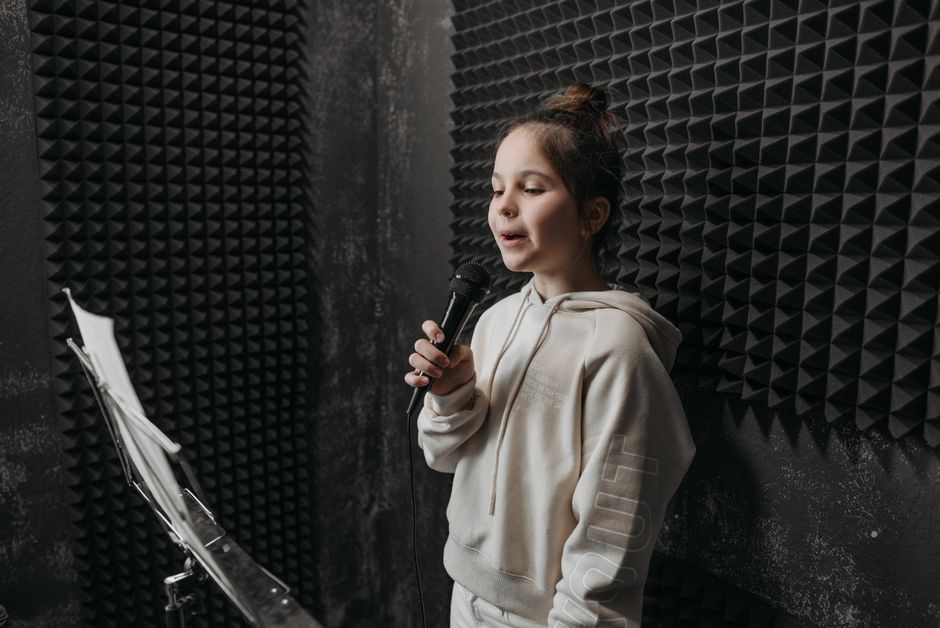
Overview of each format: Deconstructing standard interviews and narrative documentary audio
To make an informed business decision, you must understand the exact structural differences between these two main editorial styles. Each approach requires a different production process, timeline, and budget.
The standard B2B interview format
The standard interview format relies on a single host speaking with a different guest each episode. The conversation is recorded linearly, with the editor removing major pauses or technical glitches but leaving the overall discussion intact.
The value of this format relies entirely on the quality of the guest and the skill of the host. If the guest is engaging and the host asks original questions, the episode can succeed.
However, because the brand cannot control the guest's speaking style or clarity, the editorial quality varies wildly from week to week. Without strict editorial intervention, these shows often turn into passive promotional platforms for the guest's own company rather than useful assets for your brand.
The narrative or documentary format
The narrative format, also known as a documentary-style podcast, uses a structured script to guide the listener through a specific theme or story. Instead of playing one interview end-to-end, the production team records multiple conversations, selects the most compelling statements, and weaves them together with voiceover narration.
By utilizing professional voiceovers, writing, and deliberate sound design, this format keeps the audience engaged throughout the entire episode. JAR Podcast Solutions specializes in designing these kinds of high-concept audio podcasts to help brands break through the noise of generic B2B content.
In a narrative show, the narrator acts as a trusted guide. They explain complex concepts, challenge the guest's statements, and ensure that every minute of the episode directly serves the show's core premise.
Head-to-head comparison: How each style performs under pressure
Choosing between these formats is a major strategic decision that impacts your budget, your production timeline, and your brand's reputation. The table below outlines how these two approaches compare across critical operational dimensions.
| Format Dimension | Standard Interview | Narrative Documentary |
|---|---|---|
| Audience retention | Rapid drop-off after 10–15 minutes | High completion rates (exceeding 80%) |
| Brand control | Low; dependent on guest performance | Complete control over every second of audio |
| Host requirements | Casual facilitator; needs basic conversational skill | Skilled narrator; requires scripting and direction |
| Post-production load | Minimal; basic dialog editing and cleaning | High; scripting, sound design, and pacing |
| Message quality | Prone to corporate jargon and loose pacing | Structured, clear, and story-driven |
| Production cost | Low-to-moderate investment | High investment; requires specialist production team |
Earning executive attention
Senior executives are highly protective of their time. According to Signal Hill Insights executive listening data, top-tier professionals are heavy podcast consumers, often listening to more than five hours of audio every single week.
However, they do not spend that time listening to generic, poorly prepared Q&A sessions. They choose shows that offer rigorous self-improvement, fresh ideas, and deep industry perspectives.
A narrative format earns this attention because it is designed to be efficient. The storytelling structure ensures that the most important points are delivered clearly, without the fluff and introductory small talk that ruins standard interview formats.
Controlling the business message
When a brand records a standard interview, they hand the microphone to an outside guest and hope for the best. If the guest speaks in jargon or fails to explain their ideas clearly, the episode suffers, and your brand's authority decreases.
In contrast, the narrative format allows your brand to retain complete control over the final product. If a guest gives a confusing ten-minute explanation, your production team can extract the single best sentence and use voiceover narration to explain the context.
This editorial control is the main reason why JAR Podcast Solutions targets an 80% podcast consumption rate for B2B brands. When every second of an episode is planned and scripted, listeners are far more likely to stay engaged until the very end.

Production and resource constraints: The operational reality of audio design
While narrative podcasts deliver superior audience retention, they require a significantly larger investment of time, money, and expertise. A branded podcast agency must manage complex workflows to execute these shows successfully.
A standard interview show can often be produced in a few weeks. The host prepares a list of questions, records a forty-minute call, and the editor cleans up the audio file.
A narrative show requires an entirely different operational model. The process begins with extensive research and pre-interviews to find the right angles.
Once the raw interviews are recorded, a scriptwriter must write a detailed, multi-layered script that balances the voiceover with the guest quotes. Only then does the editor begin the assembly process, carefully layering in custom music and ambient sound design to support the story.
To understand how these differences impact your internal team's workload and budget, review our detailed podcast FAQ. It explains the typical production timelines and resources required to sustain a professional brand show over multiple seasons.
Who should choose what: Structuring your decision path
Your choice of podcast format must be treated as a cold business decision, not a creative experiment. You must evaluate your budget, your target audience, and your overall business goals before choosing an editorial path.
Choose an interview format if…
- Your primary goal is networking or building direct relationships with high-value guests.
- Your internal team has limited production resources and needs to launch a show quickly.
- You have access to a highly charismatic, experienced host who can make any conversation interesting.
- Your target audience is looking for casual, unedited conversations rather than polished education.
Choose a narrative format if…
- You operate in a complex, highly regulated, or high-trust industry where clarity is vital.
- Your main goal is to build long-term brand authority and trust with a highly skeptical audience.
- You want to stand out in a crowded market where several competitors already host standard interview shows.
- You need to turn each episode into a permanent content asset that can be easily repurposed into other channels.
Neither is right if…
- You do not have a clear understanding of who your audience is or what they care about.
- Your executive team expects immediate, direct attribution to sales pipeline from the very first episode.
- You are unwilling to invest the necessary budget to meet a high professional audio and editorial standard.
Final verdict: Elevating your audio strategy to drive real business results
Ultimately, your brand's podcast is a direct reflection of your company's standards. If you publish a generic interview show that sounds like every other corporate podcast on the market, your audience will treat it as noise.
We have seen this pattern across dozens of industries. Early on at JAR, we worked with a client who wanted to launch a standard interview show with a list of "dream guests."
We pushed them to think about their actual business goals. They did not need a series of unedited conversations; they needed to build trust with a highly skeptical audience that was tired of corporate talking points.
By moving the client away from a "dream guest" interview concept toward a storytelling format, we transformed their podcast into a valuable business asset. The narrative approach kept their audience engaged, and the sales team was able to use the episodes directly in high-value deals.
If you want to earn the trust of busy executives, you must invest in an editorial style that respects their intelligence and their time. A narrative show requires more effort, but it is the only format built to deliver the depth, clarity, and authority that modern business demands.
To design an editorial strategy that matches your business objectives, contact JAR Podcast Solutions today. Our team of global audio experts can help you build an audience-first show that delivers real, measurable results.