
Producing video for a podcast increases staffing requirements by 50% and multiplies production costs by roughly 3.6 times. B2B marketing teams often treat video as a simple add-on, but data from the Podcast Marketing Academy shows that the actual cost of acquiring an hour of audience attention climbs significantly when cameras are introduced. JAR Podcast Solutions has found that while video platforms like YouTube offer strong discoverability, the operational friction of visual production can quickly drain a brand's marketing budget. For organizations wanting to build authority without wasting resources, the decision comes down to matching the format to actual distribution capabilities.
The "just turn on a camera" myth and the 3.6x production multiplier
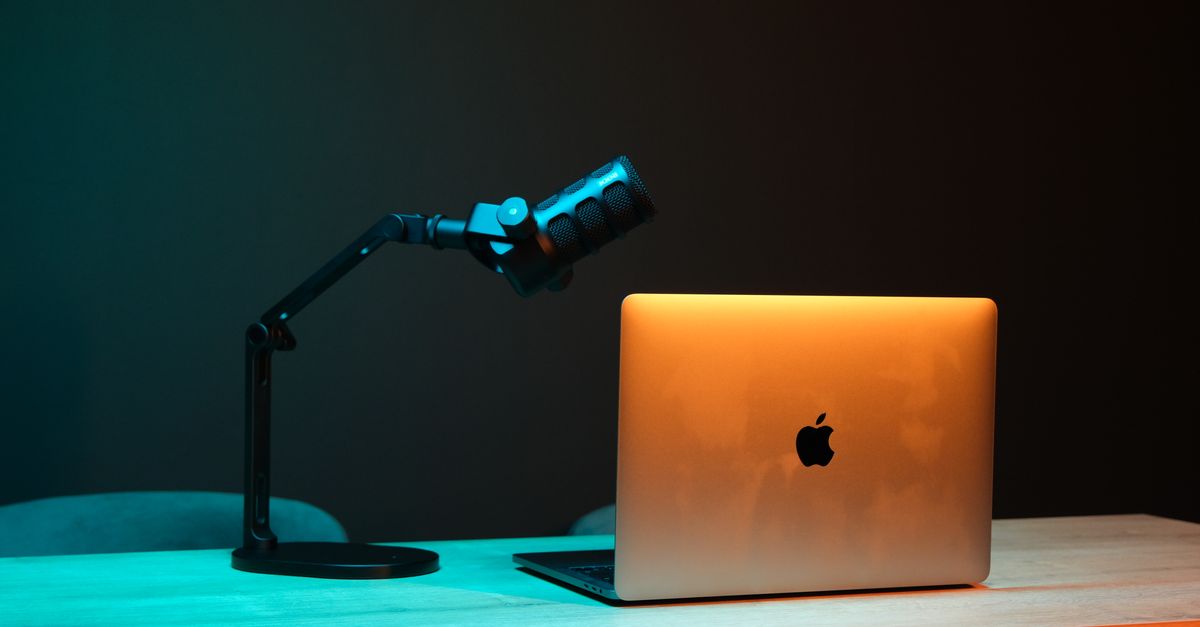
A basic, reliable setup for Audio Podcasts is surprisingly inexpensive. A professional microphone, a pair of studio headphones, and a basic boom arm can cost between $100 and $200. This low barrier to entry allows brands to launch clean, highly intimate audio shows with minimal up-front investment. The focus remains entirely on the conversation, the narrative structure, and the ideas being shared.
When a business decides to add video, decision-makers often assume they can simply point a webcam or a smartphone at the host. This approach rarely works for enterprise brands. To protect corporate credibility, professional video production requires dedicated setups that average between $2,000 and $25,000 per project, according to a 2026 pricing guide on podcast video costs.
The hidden expense of video is not the camera itself. It is the surrounding technical infrastructure. A professional visual setup requires lighting grids to eliminate shadows, acoustic treatments that look good on camera, set dressing to match brand guidelines, and makeup to manage studio lighting glare. After filming, the editing process requires color grading, multi-camera switching, and visual asset generation.
A collaborative study by the Podcast Marketing Academy and Lower Street analyzed the operational realities of both formats. The data revealed that producing video alongside audio increases total production budgets by 3.6 times compared to audio-only shows. Before committing to this multiplier, B2B brands must evaluate whether their target audience actually wants to watch their content or simply listen while commuting.
For complex or highly regulated B2B sectors, the decision is even more layered. Companies in finance, healthcare, or enterprise software face strict compliance hurdles that can make visual editing cycles painfully slow. To map out these constraints, brands can reference our audio vs. video podcasts: a decision framework for regulated B2B brands to determine if video makes operational sense.
The staffing drag: why video breaks lean marketing teams
The financial cost of video is only half the problem. The hidden strain on human resources is what quietly kills most branded video shows after five or six episodes. Lean marketing teams are rarely equipped to handle the operational drag of video post-production. At JAR Podcast Solutions, we see internal teams underestimate this commitment on a regular basis.
An audio podcast is highly forgiving. A single editor can clean up a conversation, remove filler words, and polish the audio levels in two to four hours. The focus remains entirely on the spoken word, allowing for fast turnaround times and simple approval workflows.
Video completely changes this timeline. Editing the same interview with a multi-camera setup takes four to eight hours. Editors must sync multiple audio and video tracks, cut between speakers to maintain visual interest, insert slide overlays, and export massive file sizes. This extra labor translates directly to staffing needs, with video productions requiring a 50% increase in team size to manage the workflow.
Beyond the editing bay, distribution becomes a distinct project. Instead of publishing to a single open RSS feed that automatically updates Apple Podcasts and Spotify, video forces your team to manage platform-specific uploads. You must design custom thumbnails, write video descriptions, manage YouTube playlists, and optimize titles for different search algorithms.
Many B2B teams try to solve this bottleneck by using automated tools to chop up episodes. However, relying on lazy automation usually backfires. We have analyzed how generic, low-effort social cutdowns perform, and the results are clear: Why AI podcast clips generate zero pipeline (and what to build instead) because they lack editorial intent and strategic context.
Video production tiers and when to scale up
At JAR Podcast Solutions, we believe that video should only be produced at a level that matches your strategic goals. Attempting to build a top-tier studio setup without the proper resources results in a cheap-looking product that damages your brand. We design our Video Podcasts around three distinct, purposeful operational tiers.
Essential remote video
The entry-level tier is built for agility and geographic flexibility. It relies on remote recording platforms to capture clean, high-definition video from a host and guest located anywhere in the world. This approach is highly effective for executive interviews, educational formats, and global corporate communications. It avoids the cost of physical studio spaces while maintaining professional audio and visual standards.
Professional studio builds
For brands that require a consistent visual identity, a physical studio build is the logical next step. This setup uses controlled environments, branded backdrops, and dedicated lighting grids. It provides a polished, corporate-ready aesthetic where the physical space becomes an extension of the brand. This tier is ideal for regular series, panel discussions, and high-visibility thought leadership campaigns.
Premium on-location production
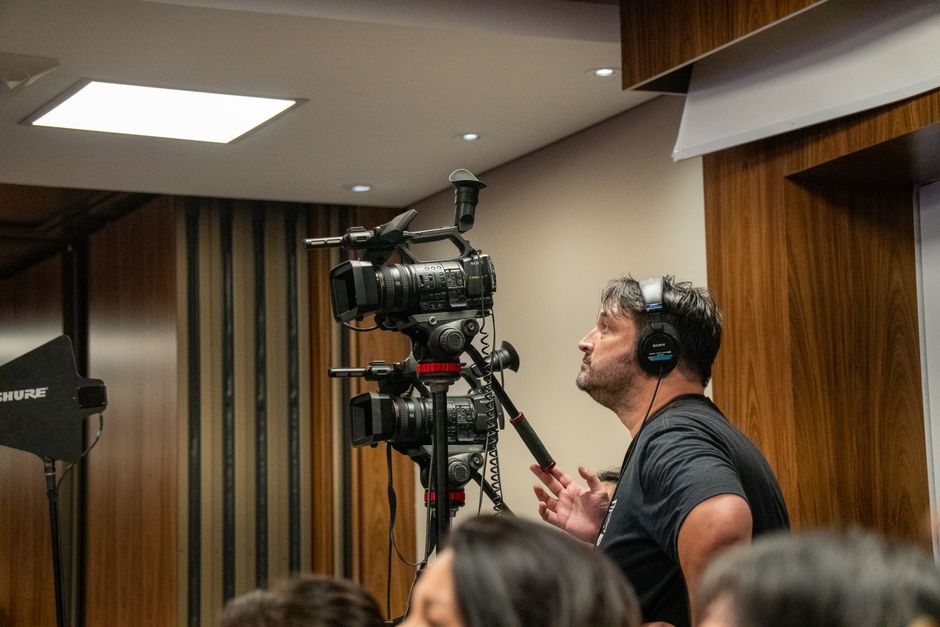
The highest tier is reserved for flagship branded shows that demand cinematic quality. This involves on-location, multi-camera shoots with professional directors, camera operators, and dedicated lighting technicians. This level of production is designed for brands that want broadcast-level impact and are telling deep, narrative-driven stories.
Let us compare the operational demands of these three approaches:
| Production Tier | Technical Setup | Best Use Case | Operational Overhead |
|---|---|---|---|
| Essential Video | Remote recording, high-quality USB/XLR mics, webcams | Agile executive interviews, global guest lists | Low (minimal equipment, fast editing) |
| Professional Studio | Controlled physical set, 2-3 static cameras, lighting grid | Branded episodic series, local thought leaders | Medium (space rental, dedicated editor) |
| Premium On-Location | Cinematic cameras, multi-angle setups, live directors | Flagship brand launches, narrative documentaries | High (full crew, intensive post-production) |
The cost of an hour of attention (and when to stay audio-only)
When deciding between formats, marketing leaders must look past vanity metrics like raw views or downloads. The metric that truly matters for B2B brand building is the cost of acquiring an hour of active audience attention. JAR Podcast Solutions evaluates every creative choice against this standard.
Data shows that producing video and audio for a show costs 77% more per hour of attention than producing audio alone. While video can drive additional consumption across YouTube and social channels, it requires a massive upfront investment to earn that attention. For many niche B2B brands, this premium is difficult to justify.
Evaluating platform siloing
A major challenge of video is the structural shift from open distribution to platform siloing. Audio podcasts rely on open RSS feeds, allowing listeners to use any application they prefer. Video podcasts require B2B teams to publish directly to specific platforms, creating a fragmented distribution model. To manage this split, brands often adopt a hybrid hosting strategy, utilizing dedicated directories alongside YouTube. You can read our detailed guide on the best places to host your video podcast to understand how to manage this split.
Activating audio audiences with JAR Replay
If your marketing budget is constrained, pouring $30,000 into a mediocre video setup is a strategic mistake. A far more effective approach is to produce a pristine, highly engaging audio show and reallocate your remaining budget to paid listener acquisition. This is where a targeted distribution strategy outperforms expensive visual production.
Our proprietary JAR Replay technology offers a direct alternative to the high costs of video. Powered by Consumable, Inc., this system tracks anonymous listener signals using privacy-safe tracking methods like a host-server pixel. Once a listener engages with your audio show, JAR Replay allows you to reach them with full-screen, sound-on Visual Audio ads across premium mobile applications. This turns your podcast audience into a highly targeted paid media channel, giving you measurable business results without the overhead of a full video production crew.
To evaluate your existing content assets and determine whether an audio or video format best supports your upcoming launch, book a 30-minute strategy session with Contact JAR Podcast Solutions.