JAR Podcast Solutions frequently sees enterprise marketing teams struggle when they treat a video podcast as a direct export of an audio feed. Uploading an unedited remote recording or a static graphic with an audio track to YouTube fails because it ignores how recommendation engines evaluate visual retention. To fix underperformance, teams must build a multi-channel distribution engine that designs specifically for platform behavior: applying visual hooks and algorithmic packaging on YouTube, while preserving clean, high-fidelity sound for open RSS feeds. Treating one strategic interview as raw material for distinct listening and viewing environments transforms a dormant video channel into an active pipeline asset.
The problem: audio-only thinking on a video-first platform
Most B2B brands treat video podcasting as a file conversion task rather than a distinct medium. A production team records an executive interview over a web call, layers the sound file over a static cover slide, exports an MP4, and posts it to an unoptimized YouTube channel. The result is almost always flat: single-digit impressions, a steep audience drop-off in the first sixty seconds, and zero shares from internal sales teams who find the footage unwatchable.
More than 170 million people have watched a video podcast on Spotify, demonstrating that audiences actively seek visual formats. Yet YouTube operates under fundamentally different mechanics than audio directories. As Nishat Kurwa, senior vice president and executive producer for podcasts at Vox Media, pointed out in Digiday, placing a long-form audio bed under a static thumbnail is not native to video platforms. Audiences on video platforms expect visual cues, facial reactions, and purposeful camera framing. When those elements are absent, viewers leave within seconds.
The root issue is a mismatch between medium and expectation. An audio podcast succeeds by fitting seamlessly into passive moments, such as commutes, dog walks, or gym sessions. YouTube, by contrast, demands active attention from a viewer sitting at a desk or looking directly at a phone screen. When a marketing team uploads a static or poorly framed talking-head recording, the viewer recognizes immediately that the content was not constructed for the screen they are watching.
Why it happens: the mechanics of discovery
Underperformance on YouTube is rarely an audio quality issue. It stems from a basic misunderstanding of how content spreads on a recommendation-driven platform compared to an RSS directory.
| Dimension | Traditional audio podcast | YouTube video podcast |
|---|---|---|
| Primary distribution | Open RSS feed syndication | Algorithmic recommendation and search |
| Delivery mechanism | Subscriber pull (automatic feed download) | Platform push (impressions based on CTR and retention) |
| Audience posture | Eyes-busy, ears-free (multitasking) | Eyes-forward, active attention (screen-focused) |
| Core success signal | Episode completion and feed subscriptions | Click-through rate and average percentage viewed |
| Asset structure | Intact 30 to 45 minute narrative flow | Packaged visual story, chapters, and short-form cuts |
Misunderstanding open RSS versus algorithmic discovery
Traditional audio podcasting relies on open RSS syndication. Once a listener subscribes to a show on Apple Podcasts or Pocket Casts, the host server pushes new episodes directly to their device. You do not need to fight for shelf space in a feed the user has already chosen to receive. Discovery in the audio world happens through word of mouth, cross-show guest appearances, PR, or category chart placements.
YouTube does not operate on a subscription feed model. Even when someone subscribes to your channel, the platform relies on audience clustering and behavioral engagement loops to decide what appears on the homepage. YouTube tests your video with a small cohort of viewers. If those viewers do not click (measured by click-through rate) or leave within thirty seconds (measured by average percentage viewed), the recommendation engine stops distributing impressions.
On audio platforms, a slow two-minute introductory pleasantry between hosts goes largely unnoticed by an audience washing dishes. On YouTube, that same two minutes of administrative throat-clearing destroys retention curves. The algorithm reads that drop-off as a signal that the content lacks value, burying the video regardless of how brilliant the discussion becomes twenty minutes later.
Platform siloing and the "eyes-busy" audience
Another common mistake is ignoring how physical context shapes consumption. Industry research from MRI-Simmons reported by The Cast Studio indicates that 78% of podcast consumers still listen to audio programs weekly. Audio remains the dominant utility for what the industry calls the "eyes-busy" listener: someone commuting, exercising, or running errands who cannot look at a screen.
When a brand builds a show exclusively around visual references—saying "look at this slide" or "as you see on the chart here"—without explaining the concept audibly, they alienate the audio listener. Conversely, when they record two talking heads staring sideways into separate webcams with harsh fluorescent lighting, they alienate the video viewer.
Treating YouTube as a dumping ground for raw audio files creates a platform silo where neither audience receives a native experience. The video audience leaves because the visual pacing is non-existent, and the audio audience stops listening because the production feels detached and awkward when stripped of its context. You can read more about avoiding this misstep in our breakdown of the video podcast trap.

The solution: how to design a multi-channel podcast system
Fixing an underperforming video show requires treating one conversation as the source material for distinct, channel-native assets. Rather than expecting one file to serve every platform automatically, teams must engineer the recording session to feed YouTube, traditional podcast players, and business distribution channels independently.
To execute this model, build around these three requirements:
- Design YouTube packaging and the first sixty seconds for search and homepage recommendations.
- Preserve broadcast-grade vocal engineering and self-contained verbal explanations for traditional audio apps.
- Cut modular conversational segments into standalone video assets formatted specifically for LinkedIn feeds.
Design for YouTube discoverability
According to interviews featured on the YouTube Blog, video has become the primary discovery engine for modern shows, making discovery significantly harder for purely audio programs. Winning on YouTube requires creator-level packaging before an episode ever goes live.
Start with high-intent topics. Instead of naming an episode after your guest or assigning it an internal corporate title like "Episode 14: Future Trends," frame the title around the precise problem the conversation solves. Keep titles under sixty characters, front-loading the primary search terms your enterprise buyers use.
Pair that title with a high-contrast thumbnail that features an expressive human face and three to four words of text that introduce curiosity or contrast. Do not repeat the episode title on the graphic; use the thumbnail image to complement the headline.
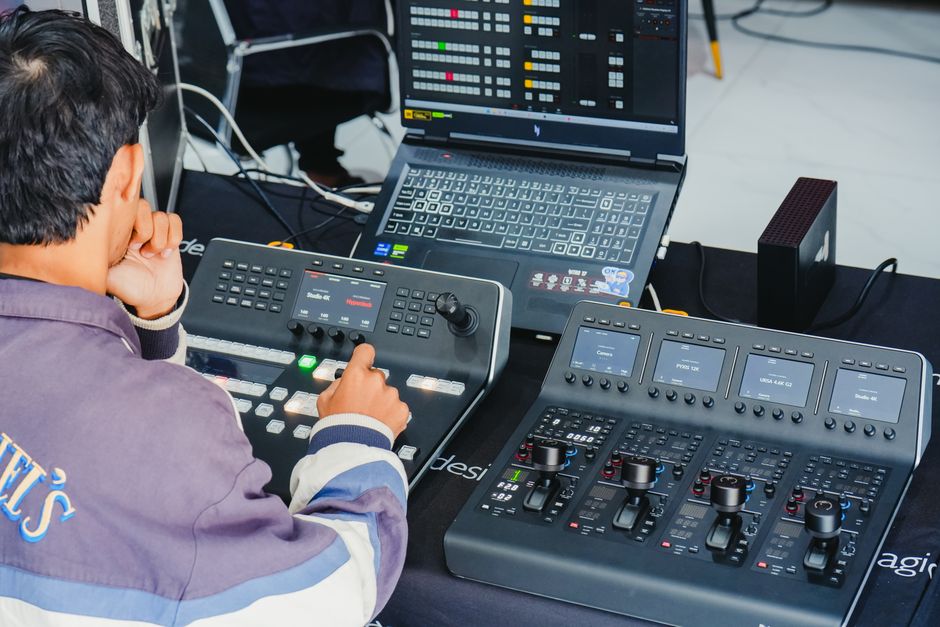
Within the video itself, cut the slow musical introductions and corporate housekeeping. Hook the viewer in the first fifteen seconds by presenting the core problem or contrarian viewpoint discussed later in the recording. Use multi-camera switching, on-screen lower thirds to identify speakers, and dynamic b-roll or diagrams to illustrate complex points. If your brand wants to see how this looks in practice, review our approach to production across Video Podcasts.
Build for the traditional audio listener
While you optimize YouTube for the eyes, you must protect the listening experience for the ears. The audio track should never sound like an afterthought ripped from a video switcher.
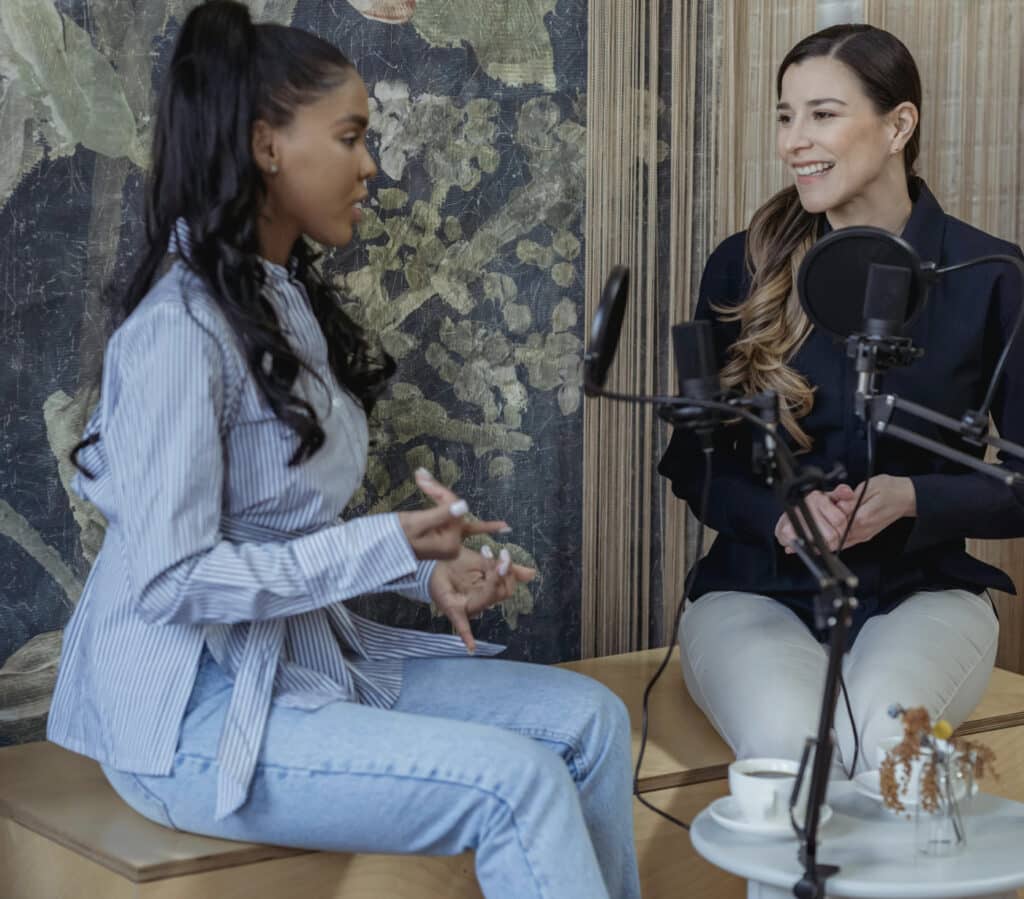
Invest in dedicated dynamic broadcast microphones positioned close to each speaker to minimize room reflection and echo. Monitor gain staging during the session to eliminate clipping, and remove visual dependencies from the conversation. If a guest refers to a metric, the host should verbally restate the number so the commuter never feels excluded.
Additionally, pay attention to modern technical shifts. As platforms modernize their feeds—including the broader adoption of HTTP Live Streaming (HLS) formats for video delivery across streaming apps—maintaining clean, standardized open RSS distribution guarantees your audio feeds remain fast, reliable, and accessible across every third-party podcast directory.
Atomize the conversation for LinkedIn
A video podcast should never live and die on your YouTube channel page alone. For B2B organizations, the real commercial return occurs when you atomize the hour-long session into targeted distribution assets.
Take the core insights from the recording and edit them into standalone one-to-two-minute video clips. Format these clips natively for LinkedIn with burned-in subtitles, as most professionals watch social video with the sound off. Lead with the central premise in the first three seconds, bypassing small talk.
Post these videos directly to LinkedIn profiles rather than dropping outbound YouTube links into post copy, which social algorithms suppress. Pair the native clip with a summary of the insight and direct interested buyers toward the full episode or an un-gated resource. For a detailed breakdown of this workflow, read our strategy guide on building a full-funnel distribution engine.

When underperformance signals a deeper strategic failure
Sometimes flat YouTube numbers are not just a matter of poor thumbnails or weak audio editing. They point to an underlying failure in how the show was conceived.
Look out for these operational red flags:
- Consumption rates fall below 50% across both YouTube and audio feeds, indicating the conversation fails to deliver the value promised in the title.
- View counts plummet to baseline levels the moment paid promotion or ad spend pauses.
- Executive sponsors and internal sales teams never share the episodes with clients or prospective buyers.
- Your target demographic cannot articulate what your show stands for within thirty seconds of scanning the title and description.
If an episode holds an audience for only a fraction of its runtime, minor packaging adjustments will not fix the issue. The structural narrative itself is failing to hold attention. To understand how retention curves expose structural story flaws, review our analysis on how listener retention data changes podcast structure.
When you notice these symptoms across your library, it is time to audit your entire program through an algorithmic and strategic lens. You can review your show's current standing with our YouTube Podcast Audit, which evaluates packaging, retention signals, and editorial positioning to uncover what is hurting recommendation potential.
Prevention: strategy before production
Microphones, cameras, and editing tools are commodities. Anyone with an internet connection can set up a webcam and publish a conversation to the web. The reason most corporate podcasts fail is not a lack of technical gear; it is an absence of strategic purpose.
At JAR Podcast Solutions, we build shows using the JAR System, which anchors every production around three clear pillars:
- Job: What specific business outcome must this podcast achieve? Is it shortening enterprise sales cycles, educating buyers on a complex regulatory shift, establishing category authority, or improving search discoverability?
- Audience: Who specifically needs to care enough to spend thirty minutes with this material? What questions are they actively trying to answer, and what perspective can your company provide that nobody else can?
- Result: How will we measure success? We look past raw downloads to examine qualified pipeline influence, audience retention, sales team enablement, and AI retrieval discoverability.
Before scheduling a guest or turning on a camera, have the difficult conversations internally. If your show exists merely because competitors have one, or because marketing needs more top-of-funnel content, pause. Decide what change you want the show to make in your business, design the format to serve that specific job, and build a distribution architecture that respects how each platform functions. That is how a branded show stops acting like a corporate cost center and starts compounding as a commercial asset.
If your existing YouTube show is struggling to find traction, request a strategic teardown from the team at jarpodcasts.com to see what the algorithm sees and identify what to fix first.