When creative and ad agencies need to deliver premium audio and video content without taking on hiring risk, they turn to white-label podcast production partners like JAR Podcast Solutions. The central challenge is structuring a partnership that preserves agency margins while keeping operations invisible to the end client. By establishing clear ownership lines, building rigorous production gates, and defining exact asset deliverables, agencies can safely scale their offerings using specialized white-label podcasting workflows. This operational guide lays out the blueprint for structuring these agreements to protect your agency's reputation and bottom line in 2026.
Your client just approved a six-figure integrated campaign that includes a branded podcast, but your creative team does not have the audio engineers or editorial producers to pull it off. You need a partner, but you cannot afford a vendor who drops the ball and makes your agency look disorganized in front of the account.
Hiring full-time talent for a single campaign is a major financial risk. If the campaign ends, you are stuck with overhead. A structured white-label agreement allows you to act as the primary strategic partner while outsourcing the heavy operational lifting.
Defining the strategic boundary and client ownership
The first rule of any successful white-label relationship is defining who speaks to whom. In a pure private-label model, your production partner operates entirely behind the scenes. This preserves your position as the single point of contact and protects your client relationship.
To maintain this illusion without creating operational bottlenecks, you must set clear communication protocols. Many agencies choose to issue the production partner's team an internal agency email alias. For example, a producer from JAR Podcast Solutions might communicate with your client using an address like audio@youragency.com. This keeps communication direct and efficient while maintaining a unified brand presence.
However, direct communication requires strict parameters. The production partner must know what they are authorized to discuss. Strategic scope changes, budget adjustments, and overall campaign timelines must always go through the agency account director. The production partner should focus purely on technical execution, guest logistics, and creative production details.
When drafting your agreement, include a clause that clearly states the white-label vendor will not pitch services directly to your client. This non-circumvention clause is standard in agency partnerships. It ensures that your client remains your client. It also allows you to focus on how to structure a white-label podcast agreement to protect agency margins without worrying about vendor poaching.
Structuring the production workflow and approval gates
A branded podcast is a multi-step project with dozens of potential failure points. Without a clear workflow, campaigns quickly stall in feedback loops. Your agreement needs to define every phase of production and designate who owns each approval gate.
To make this manageable, we use the JAR System, which organizes production around three pillars: Job, Audience, and Results. This strategic framework matches the podcast's business objectives to your agency's overarching creative brief. By establishing these coordinates early, you prevent creative drift during the production process.
Pre-production and strategy alignment
Pre-production is where the foundation of the show is built. During this phase, you must define the target audience, format, hosting style, and distribution strategy. This is also where you establish your booking pipeline.
Your white-label partner should lead a series of collaborative strategy workshops. These sessions turn your client's raw goals into a formal show treatment document. The agency owns the final sign-off on this treatment, ensuring it matches the broader brand campaign. Once approved, the treatment acts as the North Star for every script, interview question, and audio asset produced.
Recording and host preparation
When it is time to record, preparation makes the difference between a professional broadcast and an amateur Zoom call. Your white-label partner handles the technical setup, whether recording remotely or in a physical studio. For remote sessions, the production team should send high-quality microphone kits to hosts and guests ahead of time.
During the actual recording session, a dedicated producer must be on the line. The producer's job is to monitor audio levels, manage visual framing, and coach the host. They keep the conversation on track and ensure the host hits the core narrative points. This real-time direction prevents costly re-records and guarantees that the raw files meet broadcast standards.
Post-production review cycles
Post-production is often where agency margins go to die. Endless client revision rounds can eat up your profits if you do not establish boundaries. Your contract must define exactly how many revision rounds are included in the flat rate and who has final creative authority.
A standard operational flow includes two rounds of review. First, the production partner delivers a rough audio assembly or rough video cut to the agency. The agency reviews this internally to make sure it matches the client's brand voice. After incorporating agency feedback, the partner delivers a polished cut for client review. Any revisions beyond these two structured rounds should trigger an additional hourly or per-episode charge.

Talent management and editorial control
A professional branded podcast cannot sound like a casual chat. It requires a clear narrative structure. According to the industry analysts at The Podcast Consultant, agencies often struggle because they treat podcasting as a simple extension of their copywriting department. In reality, writing for the ear is a distinct discipline that requires specialized editorial experience.
Your white-label agreement should specify who handles research, scriptwriting, and guest preparation. While your creative director may write the overarching campaign messaging, the podcast partner's editorial team should draft the actual episode scripts and interview outlines. This ensures the pacing remains engaging for listeners.
Host coaching is another critical piece of talent management. Many corporate executives are expert presenters but struggle with the conversational style required for audio. The production team must spend time prep-coaching the host before they step in front of the microphone. They help the host drop the corporate jargon and speak in a more human, natural voice.
This editorial control is particularly critical as brands shift toward high-production, narrative-focused content. As noted by Marketing Dive, there is a massive resurgence in long-form branded films and cinematic storytelling as marketers fight for genuine consumer attention. If your agency is building a narrative or documentary-style show, your white-label partner must have the journalistic capability to research complex topics, conduct deep interviews, and piece together compelling stories.
Defining delivery standards and asset handoff
A completed podcast is more than a single audio file. Modern campaigns require a suite of digital assets designed for multi-channel distribution. Your scope of work must list every single deliverable, along with its file format and quality specifications.
| Deliverable Category | Format Specifications | Standard Turnaround Time | Primary Use Case |
| :--- | :--- | :--- | :--- |
| **Master Audio** | Stereo WAV (24-bit/48kHz) & MP3 (192kbps) | 5 Business Days | Primary podcast feeds (Apple, Spotify) |
| **Master Video** | 1080p or 4K MP4/MOV (H.264 or ProRes) | 7 Business Days | YouTube, web embeds, video portals |
| **Short-form Clips** | Vertical 9:16 MP4 (with burned-in captions) | 3 Business Days | LinkedIn, YouTube Shorts, Instagram |
| **Transcripts** | TXT / SRT (fully proofed and time-coded) | 2 Business Days | SEO optimization and accessibility |
| **Show Notes** | Markdown or DOCX text document | 3 Business Days | Episode description fields and blog posts |
Audio versus video deliverables
Deciding between an audio-only show and a video podcast changes your entire production budget. If your client wants to show up on YouTube and social media, you need a partner capable of executing premium video podcasts. This introduces complex requirements, including multi-camera setups, professional lighting, color grading, and motion graphics.
Video also changes how your content is consumed. Research published by Kicker Video shows that high-production corporate documentaries and structured video shows achieve completion rates of over 70%, compared to just 20% for generic video ads. If your client expects those numbers, your white-label agreement must guarantee that your partner has the studio infrastructure and editing talent to deliver television-quality video.
Raw project files versus finished assets
Your agreement must explicitly state who owns the raw project files. Most production agencies deliver the finished master files as standard. If your agency wants access to the raw multitrack recordings, Premiere project files, or raw video footage, you must negotiate this upfront.
Some production partners charge a premium for raw files, as it represents their proprietary workflow templates. If your in-house team plans to handle the social media clips and repurposing, make sure your contract includes the delivery of clean, unmixed audio stems and raw, unedited camera cards.
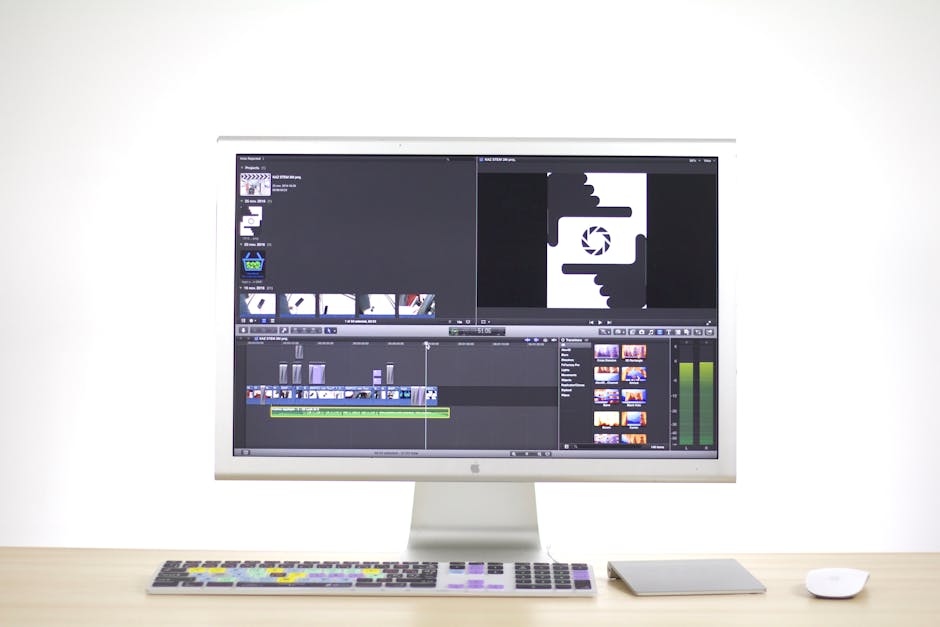
What most people get wrong about white-label podcasting
Most agency-partner failures do not happen because of a bad microphone or a missed recording session. They happen because of a mismatch in expectations. If you treat your podcast partner as a simple vendor rather than a strategic extension of your team, the final product will suffer.
Treating the partner as a commodity audio editor
The biggest mistake agencies make is hiring a white-label partner just to "cut tape." Anyone can buy editing software and slice together an interview. The real value of a professional partner is their strategic judgment, their editorial direction, and their ability to design a content system that supports your client's business goals.
A great show requires deep audience understanding and format design. If your partner is not involved in the strategy phase, they cannot make smart editorial decisions in the editing room. They will not know which quotes to keep, which stories to cut, or how to frame the narrative to support your client's category authority.
Failing to define revision limits up front
The second most common failure point is scope creep. Clients often do not know what they want until they hear a rough cut. If you do not have strict revision limits built into your client agreement and your partner agreement, you will quickly find your team trapped in endless rounds of minor edits.
Your contract should clearly outline the turnaround times and cost penalties for late-stage creative changes. For example, if a client wants to change the episode structure after the script has been approved and recorded, that should be treated as a change order. Defining these boundaries protects your agency's margin and keeps the production schedule on track.
To learn more about how to set up a successful partnership, Contact JAR Podcast Solutions to discuss your upcoming client campaign and find out how a white-label model can expand your agency's capabilities without adding overhead.