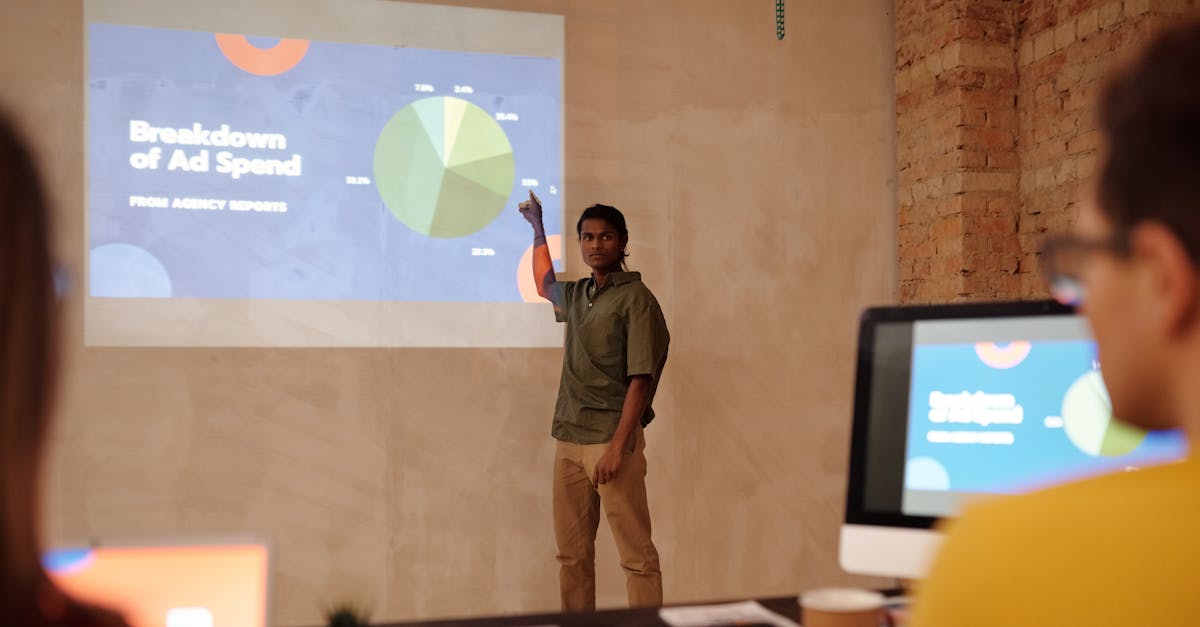

Business podcasts grew ad revenue by 30% in 2023, with listeners reporting higher purchase intent than almost any other content format. That stat from MediaRadar should matter to every VP of Marketing running a content budget. And yet the majority of B2B podcasts being produced right now are essentially internal memos with a microphone — conceived for the org chart, not the audience.
That gap is the actual opportunity. Not the podcast medium itself, but what happens when a brand decides to use it correctly.
The Real Problem With B2B Content Isn't Volume
Most B2B marketing organizations are not under-producing content. They're publishing whitepapers, distributing webinars, syndicating articles, and filing their editorial calendars months in advance. The output is real. The impact, measured honestly, rarely matches the effort.
The reason isn't a distribution problem or a promotion failure. It's a trust problem. Corporate content, regardless of format, tends to signal something to the reader before the first sentence lands: this was made for us, not for you. Once that signal registers, the engagement drops — not because the content is poorly written, but because the implicit contract is wrong.
B2B purchases don't happen because a buyer saw a well-designed whitepaper. They happen because a buyer trusts a brand enough to believe its claims, recommend it internally, and defend the decision to a CFO. That kind of trust is built through repeated, substantive contact over time — which is almost the exact description of what a good podcast is.
Why Audio Earns a Different Kind of Attention
Audio is not just another delivery format for content that already exists. It creates a different listening context than any other channel. The person consuming your podcast is doing it on a run, in a car, on a flight, between meetings. They have actively chosen to put your brand's ideas into their ears for 20 to 40 minutes.
That active choice is meaningful. A scroll past a LinkedIn article is passive. A click on a webinar that runs in the background while someone answers email is barely engagement at all. Podcast listening, by its nature, is closer and more focused — and in a B2B context where relationship quality matters more than reach volume, that difference compounds over time.
There's also a proximity effect that audio creates and text simply can't replicate. A well-hosted conversation, a thoughtfully told story, a guest who says something genuinely surprising — these are moments that feel personal. They build familiarity. And familiarity, at scale with the right audience, is the precondition for trust.
The Most Common Failure Mode: Podcasts Built for the Boss
Here's where most B2B podcasts fall apart, and it happens before the first episode is recorded.
The brief gets written internally. It reflects current company priorities — the new product launch, the repositioning push, the initiative the CMO needs visibility on. The show is named something like "Brand Talks Industry" and the first guest list is populated with internal executives. The audience is described vaguely as "decision-makers in our space."
The result is a podcast that sounds exactly like what it is: a company talking to itself in public. Listeners, even those inside the target audience, recognize this immediately. They may listen once. They rarely come back.
The diagnostic question every B2B podcast brief should start with is not "what do we want to say?" — it's "what conversation is our brand actually qualified to lead, and does our target audience genuinely need to hear it?"
Think bigger. What wider societal conversation is your brand positioned to either facilitate or shape? What information does your ideal listener need that they're not currently getting from any other source? The answer might be niche and technical. It might be a broad industry tension that no one is addressing directly. Either direction works, as long as the choice is intentional and the audience is the starting point — not the org chart.
A useful provocation: if your podcast disappeared tomorrow, would your audience notice? Or would they assume you just missed a week? If the honest answer is the latter, the show has a problem that better production won't fix. Why Boring B2B Topics Make the Best Podcast Stories When Done Right is worth reading if you're designing around a subject that feels too niche or too dry to carry a show — it almost certainly isn't.
Precision Is the Structural Advantage No One Talks About
One of the genuine strengths of B2B podcasting that gets underplayed in the conversation about reach and downloads: it is one of the most precisely targetable content formats in the stack.
With the analytics and audience data now available, a B2B podcast can be built to reach specific industries, job functions, company sizes, geographies, and professional interests. You're not broadcasting and hoping the right person is in the room. You're building a room that the right person self-selects into, week after week.
This precision matters enormously in long B2B sales cycles where the buyer pool is small and the trust barrier is high. A CFO or VP of Operations who has listened to 15 episodes of your show over four months is not a cold prospect. They know your thinking. They've heard how your people engage with hard questions. They've formed a view of your brand that no sales deck could have created. That's not a top-of-funnel audience metric. That's a warm relationship at scale.
Stafbase, a client whose podcast was produced to differentiate the brand in a crowded B2B space, captured exactly this effect. As Kyla Rose Sims, their Principal Audience Engagement Manager, put it: "The podcast helped us demonstrate to our North American audience that we were a unique vendor in a crowded B2B space." That kind of differentiation is structural. It doesn't dissolve when a competitor lowers their price.
What a Performing B2B Podcast Actually Looks Like
Format choices matter — but they're downstream of the strategic decision about what conversation you're hosting and for whom.
B2B podcasts can succeed in interview formats, panel discussions, documentary-style narratives, or serialized storytelling. The format should serve the content, not the other way around. An interview format works when the guests genuinely have something surprising to say and the host is skilled enough to draw it out. Documentary-style narrative works when the subject demands a more structured journey. Neither format is inherently superior.
What separates performing shows from forgettable ones is the balance between insight, education, and genuine entertainment. Note that entertainment here doesn't mean jokes or production spectacle — it means that the listener is engaged enough that time passes without them noticing. That's a storytelling problem, and it's one worth taking seriously.
Poorly executed B2B podcasts fall into two traps. The first is over-promotion: every episode eventually loops back to the product, the service, or the brand. The listener feels sold at, and they leave. The second is over-generalization: content so broad that an informed professional audience finds nothing worth their time. The correction for both is the same — start from the audience's actual needs and work backward to what the brand can credibly contribute.
Hosts matter more than most brands expect. A knowledgeable host who can maintain a professional and genuinely engaging tone, challenge guests appropriately, and guide a conversation without dominating it is the difference between a show that builds audience loyalty and one that gets politely unsubscribed. For more on how the structure of episodes can be designed to drive specific outcomes, How to Map Your Branded Podcast to the Buyer's Journey lays out a practical framework.
The Business Case, Made Plainly
Organizations with branded podcasts see higher brand awareness, higher brand consideration and favorability, higher purchase intent, and higher content retention than those relying on traditional content formats alone. The MediaRadar 2023 data on 30% ad revenue growth is one signal among many that the B2B podcast category is expanding, not plateauing.
But the more important business case isn't about advertising revenue — it's about what a well-designed podcast does inside the sales cycle. Buyers who have spent meaningful time with a brand's ideas before a sales conversation begins are warmer, more informed, and easier to convert. The content has done work that would otherwise require multiple touchpoints, follow-up emails, and introductory calls.
A B2B podcast also creates content leverage that most formats don't. A single well-produced episode can generate social clips, newsletter material, sales enablement assets, and thought leadership articles — all from the same source. Each of those assets carries the authority of the original conversation. That's not incidental repurposing. It's a multiplier on every hour of production investment.
The shows that treat podcasting as a system — not a series of individual episodes — are the ones that compound over time. Each episode adds to a body of work. Each body of work deepens the brand's authority in a specific conversation. That authority, once built, is genuinely difficult for a competitor to replicate quickly. It took time, consistency, and an authentic editorial point of view to earn it.
The Audience Comes First, or the Show Doesn't Work
There is one through-line in every B2B podcast that performs: it was built for the audience, not the algorithm, not the executive team, and not the quarterly messaging calendar.
This sounds simple. It is rarely easy inside a large organization. Legal review, brand standards, executive preferences, and sales alignment all create pressure on podcast content to be safer, broader, and more promotional than it should be. Resisting that pressure requires a clear editorial strategy at the outset — one that defines what the show stands for, who it is for, and what it is not going to do.
Brands that have made that commitment — Amazon, Staffbase, RBC, and others — end up with shows that their audiences actively seek out. RBC's experience with JAR Podcast Solutions produced a 10x increase in downloads in the early stages of the partnership, driven by improvements in storytelling and audio quality that made the show worth returning to. That result doesn't come from volume of output. It comes from the decision to take the audience seriously.
The medium is genuinely built for what B2B marketing needs most: sustained, substantive contact with a skeptical, busy, high-value audience. But the medium alone doesn't do the work. Strategy does. Audience understanding does. Editorial discipline does.
A podcast that has a job to do, a defined audience to serve, and measurable results to deliver is a different asset class from a content calendar filler. That's the difference between a show that builds a business and one that just occupies a feed.