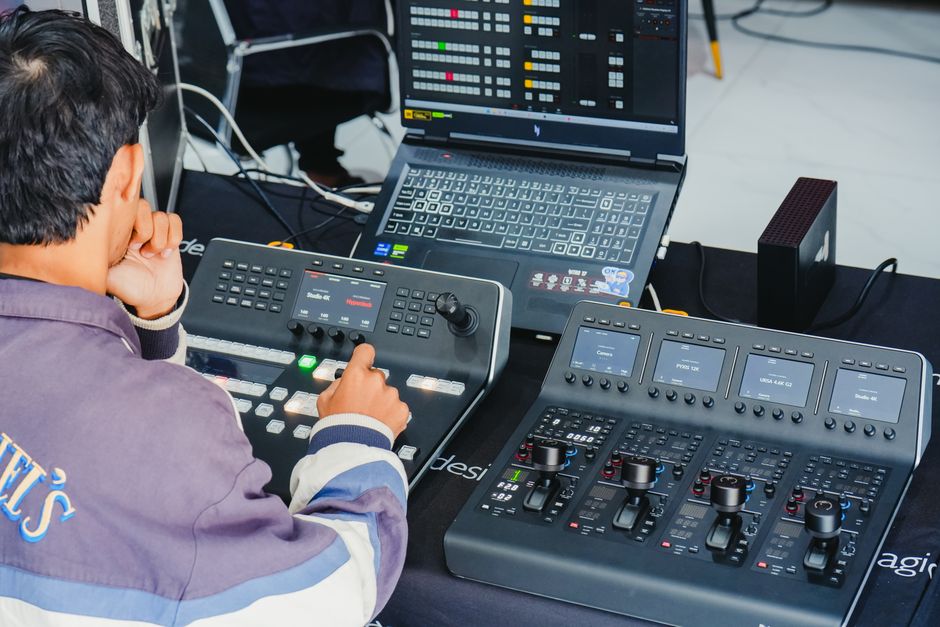
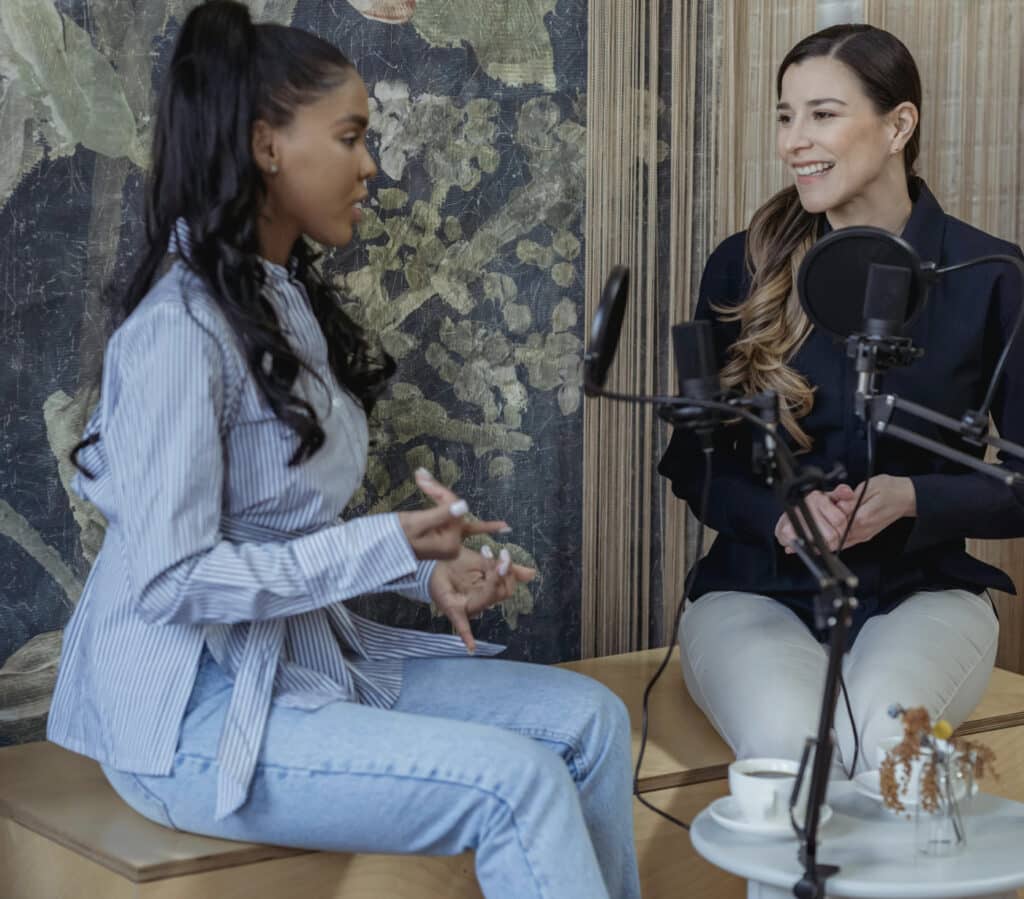
At JAR Podcast Solutions, we see enterprise marketing teams spend thousands of dollars setting up cameras and microphones, only to watch their show flatline at 50 views. This collapse happens because teams treat a visual platform like an audio repository: uploading an MP3 with a thumbnail and expecting the YouTube algorithm to reward passive audio habits. Fixing an underperforming show requires shifting production toward active viewing, redesigning the discovery package to earn clicks from real people, and treating the recording as the raw material for a multi-channel distribution engine. When you stop treating the platform like an open RSS feed, your video podcast turns from an expensive corporate chore into an asset that drives genuine commercial authority.
The reality of a dead branded video podcast channel
There is a specific kind of DIY optimism when an enterprise marketing team says, "Let's just put the podcast on YouTube." It feels like a frictionless win. You already booked the guests, rented the studio, and paid the sound engineer. Flipping on a couple of 4K cameras seems like an easy way to expand your footprint without reinventing the wheel. But as we pointed out in our guide on the benefits of bringing audio podcasts to YouTube, treating video as an afterthought usually yields the worst of both worlds: an audio show bent out of shape to fit video, and a static talking-head video that gives nobody a reason to watch.
The symptoms of a dead channel show up quickly. Forty-eight hours after an episode goes live, the view count stalls at 48. Half of those views came from your internal marketing team, two came from the guest's communications team, and the rest came from random misclicks. You check the analytics panel, and the audience retention graph looks like a sheer drop: sixty percent of viewers abandon the file within the first twenty seconds, and average view duration sits in the low single digits.
This creates immediate friction with internal leadership. A VP of Marketing or CMO approved an expanded production budget on the promise of brand authority and executive reach. Now, three months and six episodes into the season, they are looking at numbers that resemble a rounding error on an obscure technical blog post. When the CFO asks what the business got for that investment, the team scrambles to cite vanity downloads across podcast directories while ignoring the ghost town on their video channel.
The conversations themselves are rarely the problem. The guest might be a brilliant Chief Information Security Officer outlining regulatory compliance changes, or an industry researcher breaking down supply chain data. The insights are real. But YouTube does not evaluate how smart your guest is. It evaluates whether a viewer chooses to click and whether they choose to stay.
Why branded podcasts fail on the YouTube algorithm
YouTube is not a digital filing cabinet. It is a closed, highly competitive recommendation engine. When you upload an episode to Apple Podcasts, an open RSS feed pushes that file to subscribers who already decided to follow your show. On YouTube, your video is thrown into an open browse feed alongside entertainment, news, technical tutorials, and professional creators. The platform has one objective: keep viewers watching content they find compelling. If your video fails to hold attention, distribution halts.
The static waveform trap
The most common technical misstep made by corporate brands is treating YouTube like a visual RSS directory. Teams export an audio track, place it over a static graphic or a digital audiogram waveform, and upload the file as a video.
Audio listening and video consumption rely on completely different cognitive habits. People listen to audio podcasts while washing dishes, walking the dog, or commuting. They tolerate slow, discursive introductions, five minutes of administrative banter, and casual host greetings because their eyes and hands are occupied elsewhere. YouTube viewers sit in front of laptops, tablets, or connected television screens. According to data reported by Google Think in their strategic marketing guide for video podcasts, over 1 billion monthly podcast users consume shows on YouTube, and an Edison study found that 87% of surveyed weekly YouTube podcast consumers actively watch the screen rather than simply listening in the background. If the screen offers nothing more than a pulsing line or two talking heads sitting stiffly behind boom arms for forty minutes, viewers click away.
Ignoring the discovery package
Corporate marketing teams routinely name their YouTube uploads like internal calendar invites. Titles like "Episode 12: A Conversation With Sarah Jenkins" or "The Future of B2B Supply Chains | Season 2" tell the algorithm and the viewer nothing about why the conversation matters.
YouTube relies heavily on the title, thumbnail, and first thirty seconds of a video to categorize content and determine click-through rate. If your thumbnail features a corporate logo, an executive headshot, and six lines of unreadable sans-serif text, nobody scrolling on a mobile device will click it. Without an initial spark of clicks, the platform has no data to test your video against prospective audiences. Your upload stays buried, invisible to anyone outside your company's immediate network.
Building a content silo instead of an engine
Publishing a 45-minute episode and walking away wastes roughly 80 percent of the recording's potential value. Most brands treat the final long-form video as the sole finished product. When the view counter stagnates, they assume the audience does not care about the topic.
In reality, expecting a prospect to commit to an unfamiliar forty-minute video from a corporate brand is an unreasonable request. Prospective buyers, talent, and peers need low-barrier entry points to discover your thinking. Without extracting short-form video segments, pull quotes, and native social assets from the session, you isolate your show inside a walled silo. For a deeper breakdown of how audiences discover shows across browse feeds, read our analysis on how audiences actually discover video podcasts on YouTube.
| Failure Mode | Corporate Default | The YouTube Reality |
|---|---|---|
| Pacing | 5-minute administrative intro and casual banter | Retention drops 50% in the first 30 seconds |
| Visuals | Static graphic, audiogram, or unmoving wide shot | Active viewers demand visual cues, B-roll, and pacing |
| Packaging | "Episode 4: Talking with Name about Topic" | Requires high-intent hook under 60 characters |
| Distribution | Uploading the full file and sharing a link | Atomizing conversations into short-form assets |
How to fix an underperforming branded video podcast
Turning around a failing channel does not require abandoning long-form video. It requires rethinking production, packaging, and distribution so your content matches how people actually use the platform. As a branded podcast agency, we guide clients through a deliberate operational sequence to transform flatlining shows into functional media assets.
If your channel is struggling, implement these adjustments across your production workflow:
- Re-engineer the first sixty seconds of every episode to state the central tension immediately.
- Integrate purposeful visual assets, data graphics, and B-roll so the screen delivers information audio cannot.
- Rebuild your title and thumbnail strategy using keyword validation tools rather than internal brand guidelines.
- Atomize every long-form conversation into native short-form clips tailored for LinkedIn and YouTube Shorts.
Design for active viewing
To retain an audience, design your production for the screen from day one. You can see this shift happening across top-tier media operations. As reported by Digiday, UK publisher Goalhanger restructured its production into a screen studio, incorporating archival footage and on-screen references to keep viewers engaged for an average watch time of 48 minutes per episode.
You do not need sports archives to achieve strong retention in B2B. When your guest references proprietary market data, cut to the chart on screen. When they break down a complex framework, show the diagram. Use multi-camera switching to change angles when speakers shift points, breaking up visual monotony. Cut the casual throat-clearing at the start of the recording. Start the video right in the middle of the most provocative argument your guest makes, then move directly into the discussion. At JAR Podcast Solutions, our video podcast production services build these retention-engineered visual assets directly into the shooting and editing workflow.
Overhaul the discovery package
Your discovery package consists of two elements: the title and the thumbnail. They must work together as a unit to earn the click without resorting to deceptive clickbait.
Start by researching high-intent search terms. Use tools like TubeBuddy, vidIQ, and YouTube's native search autocomplete to find the exact phrases your target buyers type into the search bar. Front-load your main keyword into the title and keep the entire line under 60 characters so it does not get truncated on mobile screens.
For thumbnails, abandon the corporate slide template. Avoid cluttered text and tiny logos. Use high-contrast color palettes, clean facial expressions showing genuine emotion, and three to four words of bold text that create intrigue. The thumbnail text should complement the title, not duplicate it. If the title identifies the problem, the thumbnail text should hint at the stakes.
Build a multi-channel distribution engine
Stop expecting the long-form file on YouTube to carry the entire distribution burden alone. The long-form recording is simply the highest-fidelity capture of your organization's expertise. Your job is to extract that value across the entire funnel.
As we cover in our guide on how to turn your branded video podcast into a full-funnel distribution engine, you should systematically chop every conversation into one- to two-minute standalone segments. Select moments where the speaker delivers a concrete insight, explains a specific tactic, or challenges industry consensus.
Upload these clips natively to LinkedIn and publish them as YouTube Shorts. Native video uploads consistently outperform external links on professional feeds because social algorithms prioritize keeping users on their own platforms. Include a direct call to action in the comments or copy directing interested viewers back to the full-length episode on your YouTube channel. This turns your recording into a steady flow of thought leadership assets that nurture prospects who might never click a 45-minute video link directly.
Long-Form Episode Recording
       │
       ├─► YouTube Full Video (SEO-Optimized Search & Suggestion)
       ├─► YouTube Shorts (Top-of-Funnel Discovery)
       ├─► LinkedIn Native Clips (Executive Positioning & Sales Enablement)
       └─► Editorial Articles & Newsletters (Search & AI Indexing)
When an underperforming show points to deeper strategy gaps
A low view count is sometimes a packaging issue, but often it signals a fundamental misalignment in how your company approaches podcasting. Fixing titles will not rescue an episode if the core premise fails to interest your target market.
Look for these operational warning signs:
- The retention cliff: Your analytics display a vertical drop-off within the first sixty seconds, with eighty percent of viewers leaving before the topic is introduced.
- Internal reluctance: Your enterprise sales reps and account executives actively avoid sending episodes to qualified prospects because the production feels stiff, corporate, or self-promotional.
- Zero pipeline impact: You have published weekly for six months, yet the show has generated zero inbound inquiries, zero sales conversations, and zero invitations for executive speaking slots.
- The marketing silo: The podcast operates as an isolated task for one content marketer, completely disconnected from your PR, customer education, and demand generation programs.
When these symptoms appear, minor production tweaks will not fix the problem. You need to step back and re-evaluate why the show exists, who it is designed to help, and what commercial objective it is expected to achieve.
Preventing audience drop-off before hitting record
Sustainable podcast performance starts weeks before your host sits in front of a camera. At JAR Podcast Solutions, we ground every production in our proprietary strategic framework: The JAR System. We examine three core pillars before designing a single set or writing a script:
- Job: What specific commercial problem is this show solving? Are you educating buyers in a complex, regulated space, shortening long sales cycles, or establishing your leadership team as the definitive voice in a crowded market?
- Audience: Who specifically needs this information, what problems keep them up at night, and why would they spend thirty minutes watching your show instead of reading a brief or watching an industry creator?
- Result: How will the business measure success? We look beyond aggregate views, tracking returning viewer baselines, sales enablement usage, and pipeline influence.
When you clarify the job of the show upfront, creative decisions become simple. You no longer book guests simply because they have a high-ranking title; you book people who can speak directly to the problems your audience faces. You stop asking guests to give a generic resume overview and instead push them into substantive, detailed conversations.
Commit to a video-first workflow from the beginning. Retrofitting a webcam into an audio conversation produces flat, uninspiring footage. But when you plan lighting, camera angles, visual aids, and short-form cut points during the editorial planning phase, you build an asset engineered for the screen.
If your marketing team is tired of pouring budget into underperforming video files that nobody watches, let's talk. Contact JAR Podcast Solutions to audit your existing show or build a strategic video podcast program engineered to earn attention, build trust, and drive measurable business results.