
A 2023 survey of B2B podcasters conducted by Mobile Podcasting found that 42 percent of hosts struggle with underprepared guests, leading to technical glitches and awkward silences that kill listener retention. To solve this friction, JAR Podcast Solutions relies on a zero-prep podcast briefing template that keeps enterprise executives sounding highly authoritative without demanding hours of homework. By implementing a standardized "no-surprise" brief that captures guest bios, technical requirements, and pre-agreed co-marketing commitments upfront, studio leads can protect expensive executive calendar slots and secure clean audio on the first take. This operational approach shifts the preparation burden from the executive to the production system, ensuring a polished, professional output every time.
The briefing paradox for high-velocity studios
For any modern B2B podcasting initiative, managing executive schedules is an operational bottleneck. When producing shows for corporate leadership, the friction is rarely a lack of expertise. The issue is a lack of time. As a specialized branded podcast agency, JAR Podcast Solutions operates on the reality that an hour of prep work sent to a Vice President or C-suite officer is a document that will go unread.
The realities of executive podcasting are direct:
- Time is the hardest variable to control: Busy executives operate on tightly packed schedules and will cancel recording sessions if they feel unprepared or overtaxed by prep work.
- Over-scripting kills authenticity: Reading pre-written answers verbatim sounds like a dry corporate press release, which destroys listener engagement.
- Technical failures waste expensive calendar slots: Unchecked setups lead to background noise and dropped connections that ruin recording windows.
When corporate hosts or external guests arrive at a session cold, the quality of the show suffers immediately. They struggle to find their footing during the first ten minutes of the conversation. This results in wasted studio time, awkward conversational pacing, and edit-heavy post-production workflows. For agencies managing multiple active shows, these inefficiencies compound rapidly, threatening production schedules and inflating editing budgets.
Many high-velocity production studios and generalist agencies find themselves stretched thin trying to manually manage these interactions. In these situations, teams often utilize specialized white-label podcasting partners to stabilize their production pipeline and ensure that executive client management remains flawless. The solution is not to demand more prep time from the executive, but to build a communication system that requires zero prep from them while providing total structure for the producer.
The architecture of a zero-prep briefing template
To make executive interviews predictable, the template structure we use at JAR Podcast Solutions limits the executive's reading time to under three minutes. This document acts as a brief, high-impact overview of the upcoming session. It presents only what is necessary to prevent surprises while keeping the natural flow of the conversation intact.
The table below details the specific sections of a functional executive briefing document and how they balance information density with executive time constraints:
| Section | What it contains | Time to consume | The core tradeoff |
|---|---|---|---|
| The Frame | Episode theme, the host's point of view, and three core questions | 60 seconds | Limits tangents to keep the story tight |
| Technical Baseline | Hard constraints on mic placement, quiet rooms, and recording links | 45 seconds | Sacrifices guest hardware flexibility for audio safety |
| Guest Intelligence | High-impact bio points and pre-approved talking points | 45 seconds | Skips deep life history to jump straight to business value |
| Co-Marketing Commitments | Pre-filled social handles and distribution channels | 30 seconds | Locks down promotional workflow before recording starts |
Core narrative constraints
The primary goal of the briefing template is to eliminate the initial conversational drift. We achieve this by capturing guest bios, core talking points, and major achievements well before the recording date. Instead of starting the episode by asking the guest to tell their life story, the host can introduce them with a highly polished, pre-written summary. This allows the interview to jump directly into deep industry analysis.
For the guest, seeing their own achievements pre-populated in the brief provides immediate confidence. They know exactly what baseline information the host already possesses. This structure removes the pressure to self-promote and allows them to focus entirely on answering the core thematic questions.
The "no-surprise" technical checklist
A professional recording requires strict technical discipline from both parties. The briefing template includes a highly visual, non-technical checklist designed to prevent hardware issues before they happen. It states the required browser software, the necessary microphone positioning, and the exact room conditions needed for clean capture.
This checklist acts as a firm agreement. By presenting these requirements as standard operating procedures, we avoid the awkwardness of trying to fix a guest's audio mid-interview. The guest knows exactly what is expected of their physical environment before they click the recording link.
Pre-agreed co-marketing commitments
The promotional plan for an enterprise episode must not be an afterthought. Following the guest briefing model developed by the HubSpot Media Partnerships team, our template captures guest social channels, corporate handles, and marketing team contacts upfront. We secure the commitment to share the episode before we ever hit the record button.
This process shifts promotion from a post-launch request to an integrated production step. When the episode goes live, the marketing teams of both organizations already have the necessary assets and pre-approved copy. This systematic coordination maximizes the reach of every episode without requiring last-minute corporate approvals.

Scripting the frame, not the feeling
To build long-term trust and authority in B2B podcasting, JAR Podcast Solutions advises enterprise clients to script the frame of the show, not the feeling. This means establishing a rigid structure for how an episode begins, transitions, and ends, while leaving the middle of the episode open for spontaneous discussion. This design provides safety for the speaker and prevents the dry, corporate tone that audiences reject.
This structural separation is critical for protecting the show against the host-dependency trap. If an enterprise relies entirely on the unique personality of a single internal executive, the show is at risk if that leader leaves the firm. By establishing clear narrative scaffolding, you can execute a smooth host transition when necessary, keeping the brand's authority central to the show's identity. To understand how to design these organizational safeguards, read our guide on The Host-Dependency Trap: Why Your Podcast Needs Trust Architecture Now.
When you provide clear narrative scaffolding, you give the executive a reliable track to run on. The host knows the exact transition points, the commercial break placements, and the closing questions. This safety net allows them to be fully present during the interview, resulting in a natural, engaging conversation.
We have applied this exact balance of narrative structure and conversational freedom to shows like Amazon's This is Small Business. By establishing a clear frame—focusing on a millennial host exploring small business ownership—the show successfully pairs complex industry analysis with highly personal stories from guests. Similar strategic frameworks have helped brands like RBC and Staffbase deliver highly focused, premium audio that clearly demonstrates their unique B2B expertise without relying on scripted, robotic dialogue.
Standardizing the technical baseline
The technical production team at JAR Podcast Solutions enforces a strict technical baseline to ensure that every executive recording meets broadcast standards. Enterprise podcasts operate in a tightrope zone of creative ambition and technical constraints. You cannot ask a busy executive to become an amateur audio engineer, but you also cannot publish muffled, echoing audio that damages brand credibility.
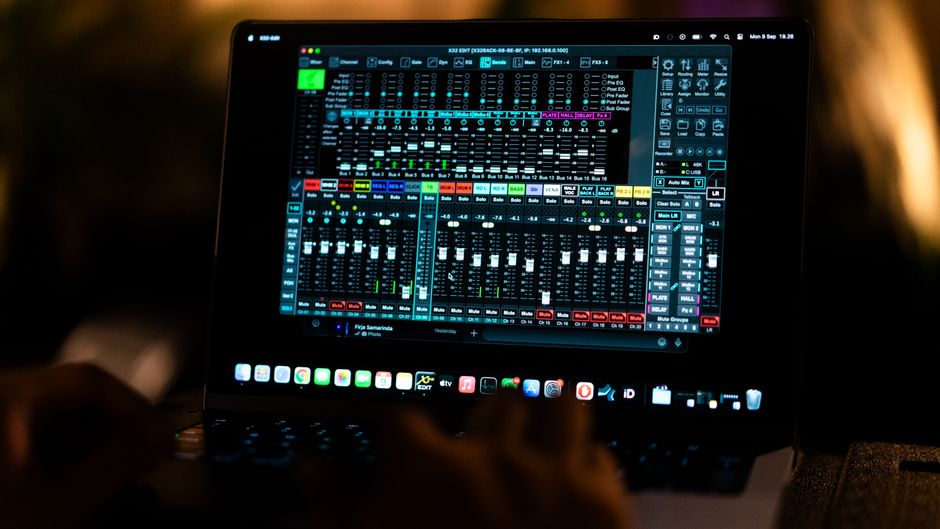
Technical stack consistency
We manage this challenge by establishing absolute technical stack consistency. When designing audio podcasts for corporate leaders, our creative teams standardize the remote recording environment. We provide simple, pre-configured hardware packages containing matched microphones, headphones, and connection cables.
If a guest is recording remotely, we send them clear, non-technical instructions that require zero system modifications. We use browser-based local recording platforms that capture high-fidelity audio directly on the user's computer, bypassing internet connection instability. This approach guarantees that the raw files are clean, uncompressed, and ready for professional sound design.
Real-time monitoring protocols
The most effective way to protect an executive's time is to ensure that the recording is captured perfectly the first time. We do not rely on fixing technical issues during post-production. Instead, our producers live-monitor every single recording session in real time.
Live monitoring allows us to detect and correct acoustic issues immediately. If a guest is rustling papers, sitting too far from their microphone, or recording in a room with a loud air conditioner, the producer stops the session and corrects the issue within the first two minutes. This rapid quality control preserves the remaining session time for high-value conversation. It ensures that the executive's time is spent sharing insights, not troubleshooting audio levels, resulting in a production standard detailed in our guide to mastering podcast audio.
Ultimately, enterprise podcast quality does not depend on the executive's willingness to prepare. It depends on the studio's ability to build an operational system that supports them. By using a highly structured, zero-prep briefing template, you can eliminate pre-recording chaos, protect critical executive schedules, and produce consistent, high-impact audio that drives genuine business outcomes.
If you are ready to build a strategic foundation and establish a standardized, highly professional production workflow for your enterprise show, Contact JAR Podcast Solutions today to discuss how we can partner with your team.