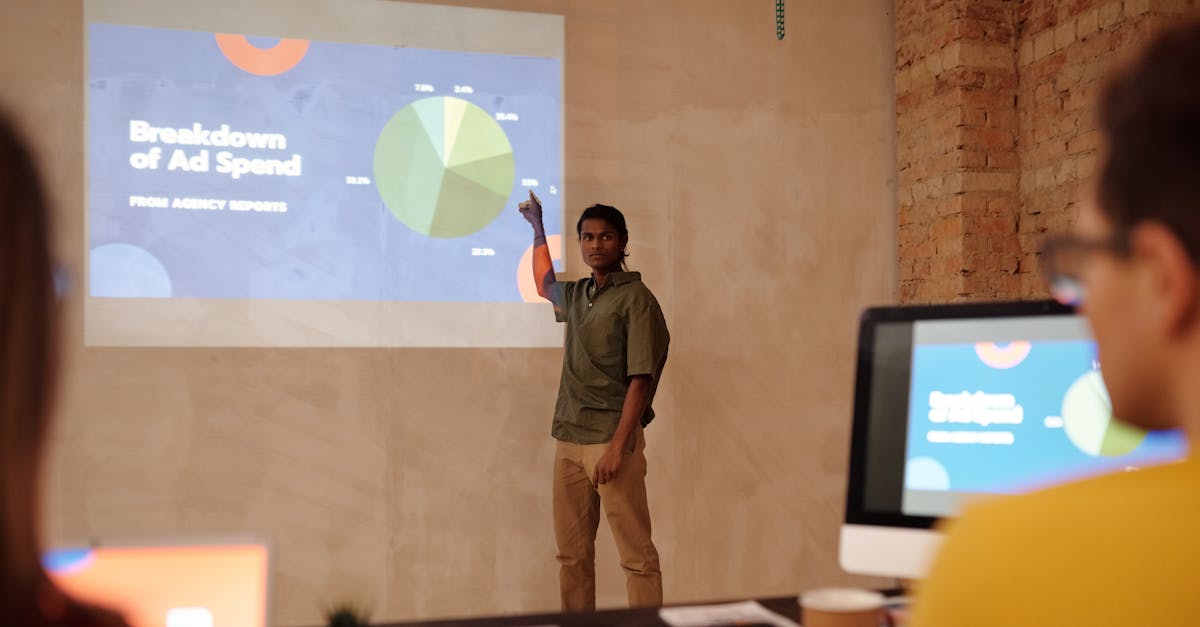
An advertising intelligence report from MediaRadar found that business podcast ad revenue grew 30% in 2023 — driven in part by listeners reporting higher purchase intent after engaging with branded audio. Brands are sitting on one of the most persuasive media formats available. Most of them are using it to count downloads.
That gap — between what podcasting can do and what most branded shows actually deliver — isn't a production problem. It's a strategy problem. And it starts the moment someone writes the brief.
The "Brand Awareness" Mandate Is How Podcasts Die
Most branded podcasts are commissioned with a vague mandate: build awareness, establish thought leadership, get us out there. These goals sound reasonable in a kickoff meeting. They fall apart the moment a CFO asks what the line item is actually doing.
Without a defined business job, even a well-produced podcast becomes discretionary spend. It competes against channels with clear attribution — paid search, email, direct sales outreach — and loses. Not because podcasting doesn't work, but because nobody built the case for it properly from the start.
The problem isn't podcasting. It's the brief.
When a show is commissioned around awareness, the metrics that follow are awareness metrics: downloads, reach, social impressions. These numbers feel good and prove nothing. A VP of Marketing who has to defend a podcast budget to a CFO cannot walk into that room with a download chart. They need to show conversion signals, pipeline influence, or measurable audience behavior change. Awareness-first shows almost never generate that data — not because it's impossible to capture, but because nobody designed the show to produce it.
The brands that get this right start with a different question entirely. Not "what should we talk about?" but "what job does this show have to do, and how will we know it did it?" That shift in framing — from content production to business system — is what separates shows that survive budget cycles from the ones that get quietly cancelled after season one.
What the Purchase Intent Data Is Actually Telling Marketers
The MediaRadar finding isn't a statistical anomaly. It reflects something structural about the medium itself — something that display advertising, social media, and even most video formats can't replicate.
Podcast listeners choose to be there. That sounds obvious, but it's consequential. Someone watching a pre-roll ad on YouTube did not decide to watch that ad. Someone three episodes deep into a branded podcast did decide — repeatedly — to keep listening. That self-selection produces a fundamentally different listener than the one a banner ad interrupts.
The listening context matters too. Podcast audiences are typically in motion: commuting, exercising, cooking. These aren't distracted scroll sessions. They're extended, low-interruption windows where the brain is processing narrative rather than defending against it. That's a cognitive state advertisers pay enormous premiums to reach, and a well-positioned branded show can own that space across dozens of episodes.
There's also the parasocial dimension. A listener who has spent ten, twenty, or thirty hours with a host — hearing their voice, their perspective, their genuine reactions to guests — develops a degree of trust that no campaign creative can manufacture. That trust transfers. When the host or the show's framing implicitly validates a brand's point of view, the listener absorbs it through a very different filter than they would a LinkedIn ad making the same claim.
None of that happens automatically. It happens because the show was designed to build it. Which means the episode format, the guest selection, the narrative arc across a season — all of it has to be intentional about where the listener is in their relationship with the brand, and where you want them to go next. As explored in Podcast Listeners Are Already Warm Leads — Here's How to Treat Them That Way, the warm lead problem isn't a traffic problem. It's a design problem.
Mapping Episodes to the Buyer's Journey — And Why Most Shows Skip This
The structural failure of most branded podcasts is that every episode is treated the same. Educational, topical, broadly interesting. Good for no one in particular.
Buyers at different stages of a decision need fundamentally different things from content. A prospect who has never engaged with your brand needs to feel understood — to hear their own problem articulated back to them with precision and empathy. A mid-funnel buyer has already named the problem; now they need to see it framed, taken seriously, and examined with enough depth that they start trusting the brand as a thinking partner. A late-stage decision-maker is running credibility checks. They want proof that other serious people take this brand seriously.
These are different content jobs. And they require different episode designs.
Awareness-stage content is about resonance. The goal is for a listener to feel seen — to think "this show gets my world." Guest selection here should prioritize people the target audience already knows and respects, not company executives doing internal PR. The topics should address the broader industry landscape, not the brand's products. When a prospect encounters this content, they form an impression: this brand has taste, has range, and isn't trying to sell me something.
Consideration-stage content is where problem framing becomes explicit. This is where a show can go deeper into the specific pain points, trade-offs, and decisions that prospects in your category are wrestling with. The narrative approach here borrows from documentary: here's a real situation, here's what's at stake, here's how people have navigated it. The brand's perspective is present, but earned — not asserted. A listener at this stage is actively comparing options. They want substance, not a sales pitch.
Decision-stage content is the most overlooked. Most shows either never produce it or produce it so tentatively that it reads as a promotional episode. Done well, it doesn't feel like either. It looks like a deeply reported episode featuring practitioners who made hard calls and can speak candidly about outcomes. The brand is positioned not as the hero but as the context — the environment in which good decisions get made. That's a much harder editorial line to walk, but it's also the one that moves a qualified buyer.
For a practical framework on connecting episode architecture to specific business outcomes, The Podcast Content Matrix: Map Every Episode to a Business Objective gets into the mechanics in detail.
What Happens After the Episode Ends
Even a well-designed, buyer-journey-mapped podcast still has one fundamental problem: the audience leaves. An episode goes out, listeners consume it on their own schedule, and then they go back to their lives. Most brands have no way to reach those people again — not without buying separate media against a general audience that includes a lot of people who have never heard of them.
This is where the lead generation conversation gets concrete.
JAR Replay is built to solve exactly this. The premise: podcast listeners are identifiable after the episode ends, and they can be activated with targeted paid media. A privacy-safe tracking mechanism — a pixel or RSS prefix installed into the host server — captures anonymous listener signals. No names, no emails, no personal identifiers. Just the signal that someone listened, handled in compliance with GDPR and regional data standards.
From that signal, JAR builds an audience and runs ads — full-screen, sound-on Visual Audio ads in premium mobile environments — that reach those listeners as they move through their day. The ad isn't going to a cold audience that vaguely matches a demographic target. It's going to someone who already chose to spend time with the brand's show. That's not a cold impression. That's a retargeted warm lead.
The difference in conversion economics matters here. When a listener who has spent forty-five minutes with a brand's podcast then sees a targeted ad reinforcing the same message, the psychological path to action is meaningfully shorter than for someone seeing that ad cold. They've already done the trust work. The ad just gives them a moment to act on it.
This is the architecture that turns a podcast from an awareness play into a performance channel. The show earns attention and builds trust. JAR Replay turns that attention into an addressable media asset. Together, they produce something a CFO can read: a pipeline of warm, identifiable, already-engaged people who have demonstrated interest by choosing to listen.
The Measurement Question Nobody Asks Until It's Too Late
One of the most common failure modes in branded podcasting is treating measurement as an afterthought — something to figure out after the show launches. By then, the data infrastructure is already missing.
What gets measured shapes what gets built. If the only metrics in place are downloads and social shares, the show will unconsciously be optimized for those numbers — viral-ish topics, broadly accessible guests, content designed to travel rather than convert. That's not a bad show. It's just a show that's solving the wrong problem.
Before a single episode is recorded, the measurement framework should be in place. That means deciding, specifically: what does this show need to move? Brand consideration scores? Demo requests? Event registrations? MQL velocity? Sales cycle length for accounts that have engaged with the show versus those that haven't?
The answers shape everything downstream — how episodes are structured, what calls to action are embedded, how JAR Replay campaigns are designed, and how the show is reported on internally. Without this, even a technically excellent show ends up being evaluated on downloads, defended weakly, and cancelled before it has a chance to compound.
The compounding is real. A branded podcast that has been running for two years, with a mapped episode library, a warm listener base reactivated through paid media, and a clear attribution model connected to pipeline — that's a different asset than a new show in its first quarter. The brands that win with podcasting understand they're building something, not running a campaign. The returns arrive on a different timeline than a paid search click, but they arrive at a different depth too.
B2B brands that have connected their podcasting activity to wider marketing ecosystems — using episodes as sales enablement assets, extracting clips for LinkedIn, feeding transcripts into SEO and AI discoverability pipelines — consistently extract more value per episode than brands treating the podcast as a standalone output. Every episode should be doing multiple jobs. If it's only producing an audio file, the brief wasn't big enough.
What a Show Built for Leads Actually Looks Like
It starts with the JAR System's core question: what is the job? Not the theme, not the format, not the number of seasons. The job — the specific business problem this show exists to solve.
From there: who, specifically, is the audience? Not a persona document from three years ago. A real description of the person at the specific stage of the buyer's journey this show is most valuable for, and what they need to believe or feel differently about in order to move forward.
Then: what does that person need from each episode to get there? What kind of guest validates the brand's credibility to them? What narrative structure creates the tension and resolution that makes the content memorable? What call to action makes sense for where they are in their decision?
And finally: how will listeners be reactivated after they've consumed an episode, so the conversation continues rather than evaporating?
That's the architecture of a show built for leads. Not a complicated one. But it requires decisions that most branded podcast briefs never force the brand to make — because the brief only asks for a show, not for a system.
The brands building podcast systems rather than podcast shows are the ones generating outcomes that survive budget reviews. That's the gap worth closing.
If your podcast brief still says "build awareness," it's worth revisiting before you record another episode. Request a quote at jarpodcasts.com/request-a-quote/ and let's build a show that actually has a job to do.