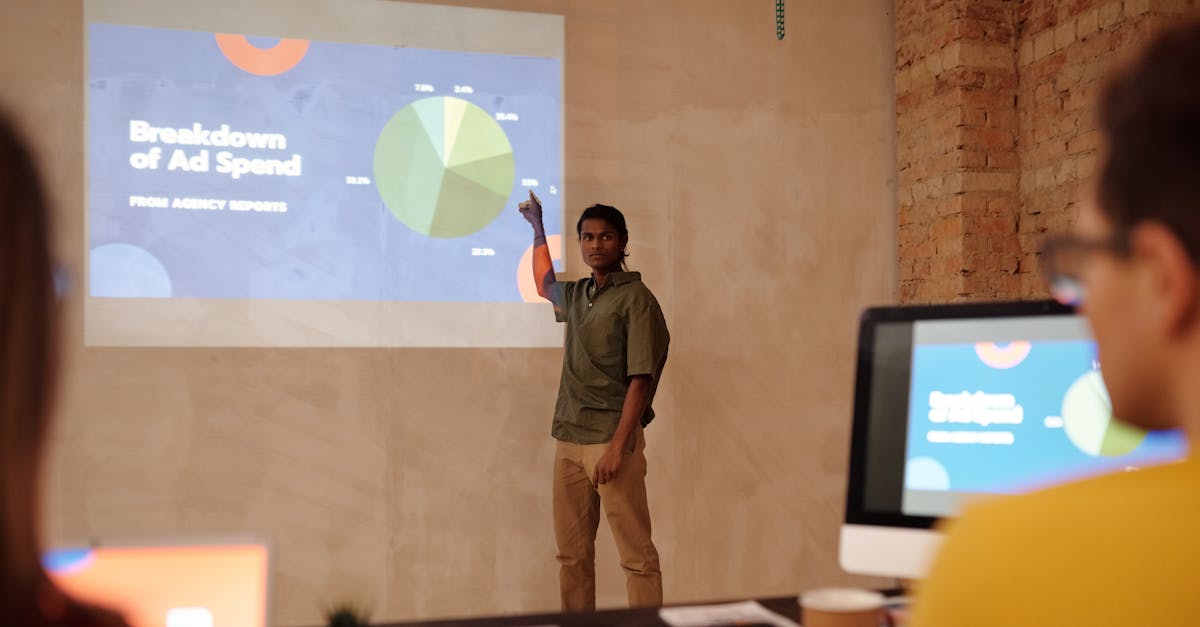
The most valuable thing that happens at an industry summit isn't the keynote. It's the hallway conversation between a founder who failed twice and the investor who almost funded them. Branded podcasts can create that kind of conversation every single week. Almost none of them do.
Instead, most branded podcasts do something far safer and far less interesting: they transmit. An internal expert sits across from a microphone and explains something the brand already knows. A moderator guides the conversation toward reassuring conclusions. The listener absorbs the message. Episode ends. The implicit contract between brand and audience is: we have the answers, you have the questions. It's a corporate newsletter with a waveform attached.
This is the broadcast trap. And it's not a production problem. It's a structural one.
The Broadcast Trap Is a Positioning Problem in Disguise
When a brand approaches a podcast as a vehicle for distributing expertise, the format choices follow a predictable logic. You pick a host with a credible title. You book guests who validate the company's point of view. You script the questions to land on safe terrain. The result feels like a well-organized press release — coherent, professional, and profoundly uninviting.
The audience isn't passive in this dynamic; they're just absent. Not in the download numbers, but in the relationship. They may tune in for the information, but they don't feel convened. They don't feel like something is happening for them or with them. They feel like they've attended a product demo disguised as a panel discussion.
JAR's core operating principle — that a podcast is for the audience, not the algorithm — cuts directly at this. An audience-first philosophy isn't just a stance on content quality. It's a statement about power dynamics. It says the listener's world, not the brand's messaging calendar, should drive what gets made.
Most branded podcasts invert that. The editorial calendar comes first. The audience insight comes last, if at all.
What a Summit Actually Does That Most Podcasts Don't
Think about why summits generate outsized trust and memory. It isn't the stage presentations — most of those are forgotten within a week. What endures is the experience of being in a room with people who share your problems, your ambitions, and your vocabulary. A great summit makes you feel less alone in your professional situation. It surfaces conversations you didn't know you needed to have. It creates the sensation of being part of something with edges and identity.
That's not a production feat. That's a curatorial one.
The most powerful branded podcasts do the same work. They identify a specific community — not a demographic, but a group defined by shared circumstance — and they convene that community around a set of questions those people are genuinely wrestling with. The brand doesn't provide the answers. The brand creates the conditions for the conversation.
Avison Young understood this when they built Changing Places, a podcast exploring how the relationship between people and built environments was evolving in real time. The show wasn't a vehicle for Avison Young to explain commercial real estate. It was a forum for interrogating questions that real estate professionals, urban planners, and curious outsiders were all asking simultaneously: What does the future of work mean for cities? What happens to commercial space when behavior changes permanently? The brand stepped back from broadcaster and became convener. Avison Young later reported using the podcast as onboarding material for new hires globally — a sign that the show built something with genuine identity and durability, not just a content asset with a shelf life.
That doesn't happen when the podcast is built around what the brand wants to say. It happens when it's built around the conversation the audience needs to be part of.
The Multi-Voice Format Is Not a Casting Decision — It's an Editorial One
One practical marker that separates summit-style podcasts from broadcast-style ones is the presence of genuine tension. Not manufactured debate, but the kind of friction that emerges when two people with different experiences, incentives, or frameworks try to solve the same problem out loud.
A mentor-mentee format, for example, works because the knowledge gap is real and visible. When Build It Braver launched in October 2021 with fashion entrepreneur Catherine Addai and retail veteran Joe Mimran in conversation, the dynamic wasn't two experts agreeing on best practices. It was two people in different positions in their journeys being honest with each other. The messiness was the content. Sidebars about founder burnout, childcare logistics, and failed pivots weren't distractions from the show's value — they were the show's value. Because they made listeners feel less abnormal about their own situations.
That's what a hallway conversation at a summit does. It normalizes. It connects. It gives the attendee something to bring back to their own context.
Amazon's This is Small Business operates from a similar premise, following a curious millennial exploring what it actually takes to build a successful small business — not through a lecture series, but through the perspective of someone genuinely figuring it out. The format isn't "Amazon explains entrepreneurship." It's "a specific person in a specific situation has specific conversations with people who've been there." The brand is present, but it doesn't dominate. The audience is centered.
This is a casting decision only at the surface level. Underneath it's an editorial conviction about whose voice the show serves.
The Conversation Your Brand Needs to Own vs. The Topic You're Comfortable With
Brands default to the broadcast trap partly because they're optimizing for the wrong thing: control. A podcast where your VP of Product explains your product roadmap is controllable. A podcast where founders in your customer segment argue about the tradeoffs of going enterprise early is not. One of them builds brand equity. The other builds a transcript.
The question every podcast brief should answer before format discussions begin is: What conversation is already happening in our audience's world that we could make better by convening it?
Note that the question isn't "What do we want our audience to know?" It's what conversation they're already in, and whether the brand has the relationships, the access, and the editorial judgment to improve that conversation. If the answer is yes, the podcast has a reason to exist. If the answer is no, adding another expert monologue to the category does nothing.
Staffbase's experience working with JAR speaks to this directly. Their goal was to demonstrate to a North American audience that they were a unique vendor in a crowded B2B space — and the podcast format gave them the means to demonstrate that through the conversations they chose to have, not through claims they made about themselves. As Kyla Rose Sims, Principal Audience Engagement Manager at Staffbase, put it: the podcast helped them stand out in a crowded market precisely because it showed up differently in a conversation people cared about.
That's the summit dynamic at work. The brand earns its position in the room by the quality of the conversation it curates, not the size of its booth.
Building for Convening Authority: What Has to Change in Practice
If the broadcast trap is a structural problem, the fix isn't superficial. You can't patch a monologue format with better production. A few things have to change at the design level.
Guest selection has to prioritize tension over endorsement. The guests at a great summit aren't all advocates for the host organization. They're people with credibility and perspective, some of whom will say things that challenge the audience's assumptions. The expert facade problem isn't about competence — it's about the illusion of certainty. Guests who've gotten things wrong and learned from it are more valuable to an audience than guests who've always been right.
The host's job is to represent the audience, not the brand. The best podcast hosts in the summit format ask the questions the audience would ask if they were in the room. They push on answers that feel incomplete. They admit when they don't understand something. This is uncomfortable for brands that want a host who radiates authority, but it's the difference between a show people trust and a show people endure.
The editorial frame should outlast any single episode. A summit has a theme — a set of questions it's organized around that give each session context and make the cumulative experience coherent. A podcast series needs the same thing. Individual episodes can go deep on specifics, but listeners should be able to feel the larger conversation they're participating in. That gives the show identity, and identity is what turns casual listeners into advocates.
For a detailed look at how listener behavior connects to specific episode architecture, this piece on engineering episodes that move listeners to act maps out the mechanics in detail.
The Trust Economy Runs on Convening, Not Broadcasting
Brands that function as conveners in their industry earn something that advertising can't manufacture: the trust that comes from being the place where the real conversation happens. When your podcast is the show where serious people in your category go to think out loud, the brand association that builds is durable in a way that sponsored content never can be.
Genome BC's Nice Genes! became more than a standalone audio product — it became an ecosystem that powered blog content, social conversations, and live event discussions. The podcast wasn't a top-of-funnel asset that pointed back to the brand. It was the hub that other channels orbited. That only happens when the show is worth orbiting — when it's a genuine destination for a specific audience, not a content delivery mechanism in audio clothing.
Most branded podcasts are built to last one content calendar. A podcast designed as a virtual summit — built around convening authority, real tension, and audience-centered editorial — is built to last a category. The production quality matters. The distribution strategy matters. But the structural decision to convene rather than broadcast is what separates the shows that earn attention from the ones that just take up space on an RSS feed.
Your audience isn't waiting for another expert to explain something. They're waiting for the conversation that makes them feel less alone in what they're navigating. If your brand can create that, you don't need to chase an algorithm. The audience comes to you.