
Why narrative B2B podcasts double the listen time of interview shows

Roger Nairn

Most B2B brands launch a guest interview podcast because it feels safe, but the data shows this default format is exactly why their listeners drop off after ten minutes. At JAR Podcast Solutions, we constantly see brands default to raw, unedited interview formats in an attempt to replicate celebrity chat shows, only to face dismal completion rates. The reality, supported by data from Signal Hill Insights and our own production benchmarks, is that structured narrative formats consistently hold attention longer and drive deeper commercial impact. This breakdown explains why the standard guest interview fails to build trust in a B2B context, how documentary-style storytelling changes listener retention, and what it takes to engineer a branded show that professionals choose to finish.
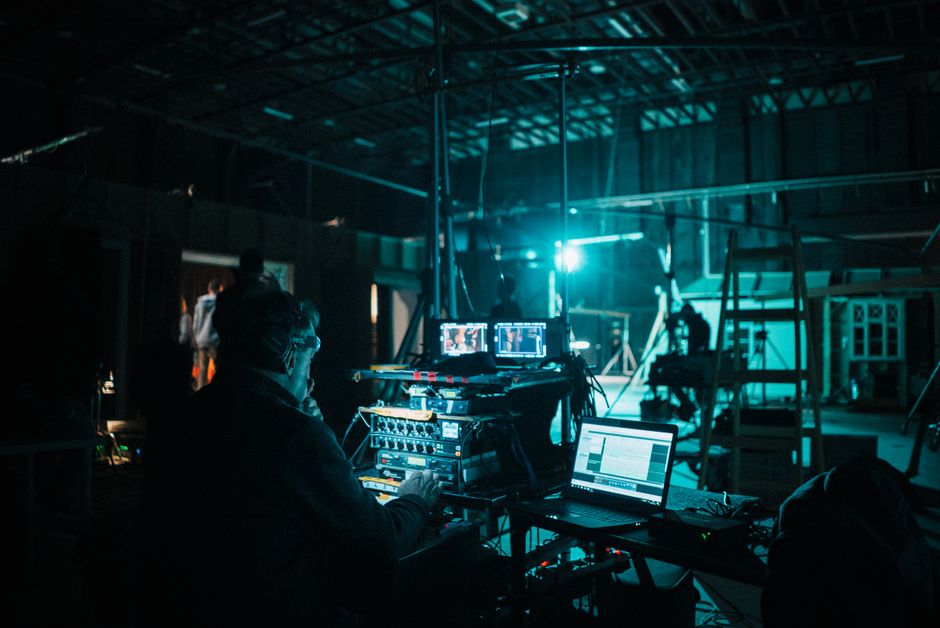
Inside the JAR Podcast Solutions studio: Dismantling the celebrity chat show delusion
Many corporate marketing teams begin their audio journey with a simple, flawed ambition. They want to make a show where their chief executive sits down with industry peers for an unscripted chat. The common refrain heard by brand managers is that they want to produce something raw and unedited, trying to copy the vibe of major consumer hits.
This approach ignores a fundamental difference in audience motivation. Listeners tune in to celebrity programs for the established chemistry, fame, and comedic value of the hosts. Your corporate executive is not a professional entertainer, and your enterprise software platform is not pop culture. When a brand tries to force a raw, unedited conversation, the result is usually a meandering recording that tests the patience of a busy B2B buyer.
Unedited executive interviews often fall into the trap of repeating company talking points. Without strict editorial guardrails, the host and guest default to safe, rehearsed language that sounds like a corporate press release. Listeners tune out the moment they realize they are listening to an extended sales pitch disguised as a casual conversation. We have analyzed how this dynamic unfolds in our breakdown of why the executive debate format: why recording a Zoom call fails.

Why modern branded podcast agencies look beyond the interview default
Selecting an interview format is rarely a strategic decision. It is a psychological choice made to manage internal risk. Marketing departments are often afraid of taking a bold editorial stance, so they use the interview format to distribute the responsibility of content creation.
By centering the episode on an external guest, the brand avoids having to state a strong opinion. The host can hide behind a list of generic, pre-approved questions, keeping the conversation safe, polite, and ultimately forgettable. As independent podcast strategist Neal Veglio notes in an episode of B2B Podcasting Insights, guest interviews are frequently used as a safety net that lets the host stay hidden, resulting in shows that sound pleasant but fail to build authority or trust.
This lack of friction is precisely why these shows fail. B2B buyers do not look for pleasant filler content; they look for answers to complex organizational problems. If your podcast sounds exactly like every other interview show in your sector, you are wasting your marketing budget on audio wallpaper. A professional audience wants a clear perspective, and you cannot deliver a clear perspective when you are busy letting your guests do all the talking.
How JAR Podcast Solutions uses structure to drive listener retention
The difference in how listeners consume raw interviews versus structured narrative shows is stark. A standard interview show requires the listener to do the hard work of filtering out the fluff, the digressions, and the verbal filler. A narrative series does that work beforehand in the editing room.
The 80 percent threshold
At JAR Podcast Solutions, we set a clear performance target for the shows we build. We aim for an 80% podcast consumption rate. If your listeners consistently hear at least 75% to 80% of an episode, it demonstrates that your messaging is connecting. You can read more about how we define and track these metrics in our guide on What Is a Good Podcast Engagement Rate?.
Reaching this metric requires a deliberate move away from the unedited interview. When we partnered with Avison Young to create a structured, narrative-driven show, the editorial focus resulted in a 95% listen-through rate and global reach. This level of engagement is impossible to achieve with a raw Zoom recording where the first five minutes are spent on small talk and technical checks.
When to use an interview
This does not mean interviews are useless. It means they should be used as raw material, not the finished product. In a narrative format, guest interviews are treated like documentary footage. You record the guest, extract the most compelling two-minute insight, and discard the rest.
The host then guides the listener through the narrative, weaving together multiple expert voices, ambient sound design, and scripted context. This respects the listener's time by delivering a dense, high-value audio experience that gets straight to the point.
| Format Feature | The Standard B2B Interview | The Narrative B2B Series |
|---|---|---|
| Primary Host Role | Passive question-asker | Active story narrator and guide |
| Listener Retention | High drop-off after 10 minutes | High retention (often exceeding 80%) |
| Typical Episode Length | 30 to 45 minutes of raw talk | 45 to 60 minutes of edited story |
| Production Prep Time | Minimal (briefing doc only) | High (scripting, sound design, tight editing) |
| Business Impact | Low brand lift, high listener fatigue | High brand favorability, memorable messaging |
Data from ThePod.fm shows that while unedited interviews struggle to hold focus, a well-produced narrative can keep professionals engaged for 45 to 60 minutes because the content moves quickly and keeps the listener's brain active.
Measuring the business results of narrative-driven audio production
Choosing a narrative format is not just an artistic preference; it is a commercial decision. When Signal Hill Insights tested brand favorability across different podcast styles, they discovered that narrative branded podcasts delivered an average favorability lift ten percentage points higher than standard conversational or interview formats, as documented by Pacific Content.
Controlling the edit
When you publish an unedited interview, you hand control of your brand's narrative to your guest. If the guest rambles, your brand sounds disorganized. If the guest focuses on their own product, your podcast becomes an ad for someone else.
A narrative script allows you to keep tight control over the story. You can insert your brand's perspective exactly where it makes sense, framing the conversation around the business problems you are qualified to solve. This keeps the focus on the audience's needs rather than the guest's resume.
Positioning the brand as the guide
By adopting a documentary style, your company ceases to sound like a vendor trying to sell a tool. Instead, you position your brand as an industry authority that is facilitating a critical conversation.
To achieve this, you must find the exact point where your business goals meet the real needs of your audience. We outline this strategic process in our resource on B2B Podcasting: How to Create Engaging Content. When you focus on helping the listener understand a complex industry trend, you build the kind of trust that makes future sales conversations much easier.
Developing an editorial-first strategy with a global branded podcast agency
Moving to a narrative format requires a change in how your team thinks about production. You have to stop booking guests just to fill slots on a marketing calendar. Every episode must have a specific job to do for your business.
At JAR Podcast Solutions, our fully remote team of 23 audio professionals uses a proprietary framework called the JAR System. This system focuses every production on three core pillars: Job. Audience. Result.
Before we record a single line of script, we work with you to define what business challenge the show is solving, who needs to listen, and how we will measure success. This strategy is what allowed us to help the team at RBC see a 10x increase in downloads in the early stages of our collaboration by focusing on storytelling and production quality.
If you want your podcast to serve as a genuine asset that supports your sales team and builds enterprise trust, you need to invest in the editorial strategy behind it. Our team handles everything from scriptwriting and voice coaching to custom sound design and targeted distribution. You can learn more about how we build these systems on our Audio Podcasts service page.
The JAR Podcast Solutions perspective: Stop wasting marketing spend on safe audio
The easiest thing a marketing department can do is buy a couple of cheap USB microphones, record a Zoom conversation, and upload it to a hosting platform. But in a crowded business market, cheap audio is the most expensive mistake you can make because it produces no results.
If your current podcast is getting downloads but is never mentioned by prospects, never shared in internal Slack channels, and never cited in sales meetings, the format is failing your business. A safe podcast that nobody finishes is simply a waste of budget.
Switching to a narrative format requires more effort, better planning, and a willingness to collaborate with professional storytellers. But it is the only way to earn and keep the attention of executive buyers who value their time.
If you are ready to stop making generic interview shows and start building an audio asset that drives business outcomes, we can help you design a show worth listening to. Get in touch with our team today at Contact JAR Podcast Solutions to discuss your show's strategy.


